


Ever wondered how to tackle complex props and armor using CLO? We sat down with Raisin Cosplay to learn how she finally brought the iconic Skyrim Steel Plate Armor to life after years of trial and error. Read on to discover how she bridges the gap between digital patterns and physical EVA foam to create something truly spectacular.
Hi Raisin Cosplay! We're incredibly excited to hear your story. Your journey started with a love for comics and sewing, eventually leading you to the world of cosplay. Could you tell us about that "aha!" moment when you realized you could combine these passions to create something truly special, like your incredible armor project?
I started sewing at a very young age as a child and always read comics. That “aha!” moment for me came around 2012 when I discovered the word “cosplay” as I was researching comic conventions and Halloween costumes online. I found many videos and forum posts of cosplayers’ incredible costumes at San Diego Comic Con. I discovered that there were even groups dedicated to professional cosplays such as the 501st from Star Wars. I was amazed to see that the community was so rich and developed and even more amazed when I learned there was a comic con near me! I went to my first comic con the following summer in my first costume and that was that!
You describe yourself as a "jack of many trades," mastering everything from EVA foam to 3D modeling. How has this versatile, hands-on approach influenced your work, and how does a powerful digital tool like CLO fit into your very physical creation workflow?
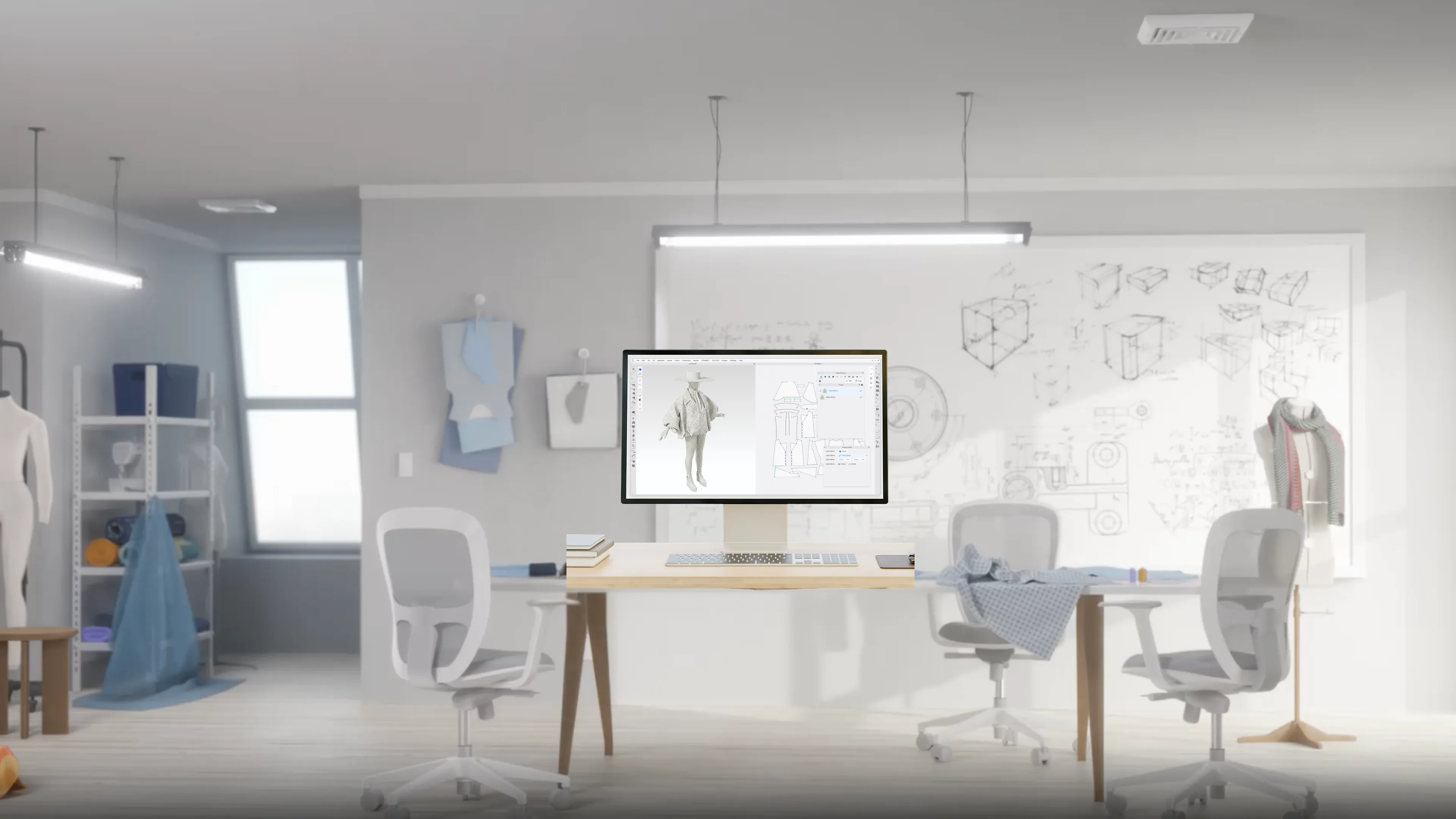
I’ve always considered myself to be a patternmaker. I was very lucky to get into it early in life when my mother’s friend from the mosque who was a trained tailor offered to give me a couple sewing lessons. From there, getting into 3D modeling was a natural transition, especially for cosplay. I was in a robotics club in high school that gave me exposure to both 3D printing and 3D modeling early on. However, most of all, I think practice in patternmaking all these years trained my brain to be able to visualize the connection between 2D shapes and 3D shapes more easily. So with both those skills in hand, CLO just made sense. CLO allows me to experiment in the digital world much more than I was able to in the physical world by removing obstacles related to material cost and wastage.
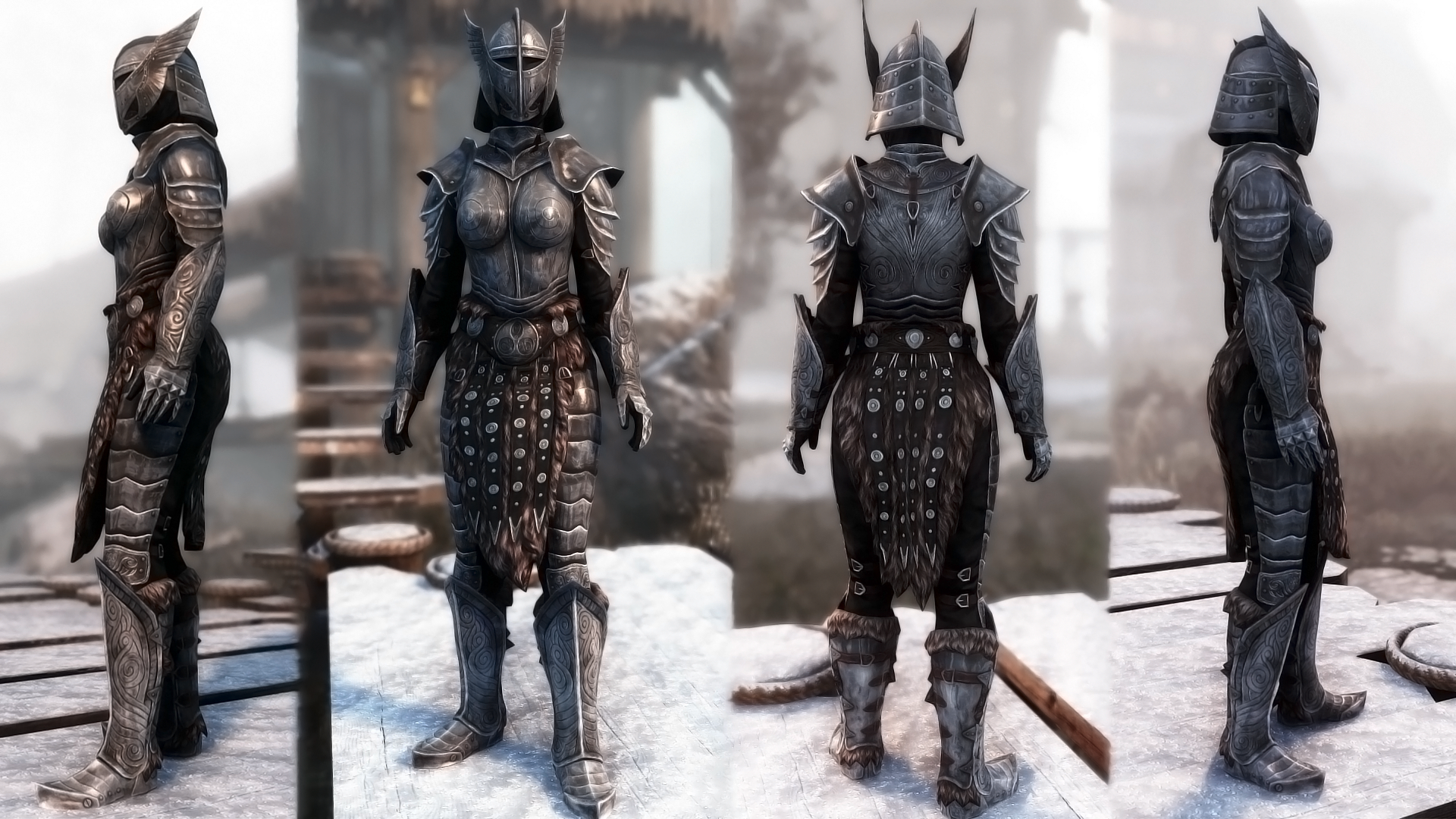
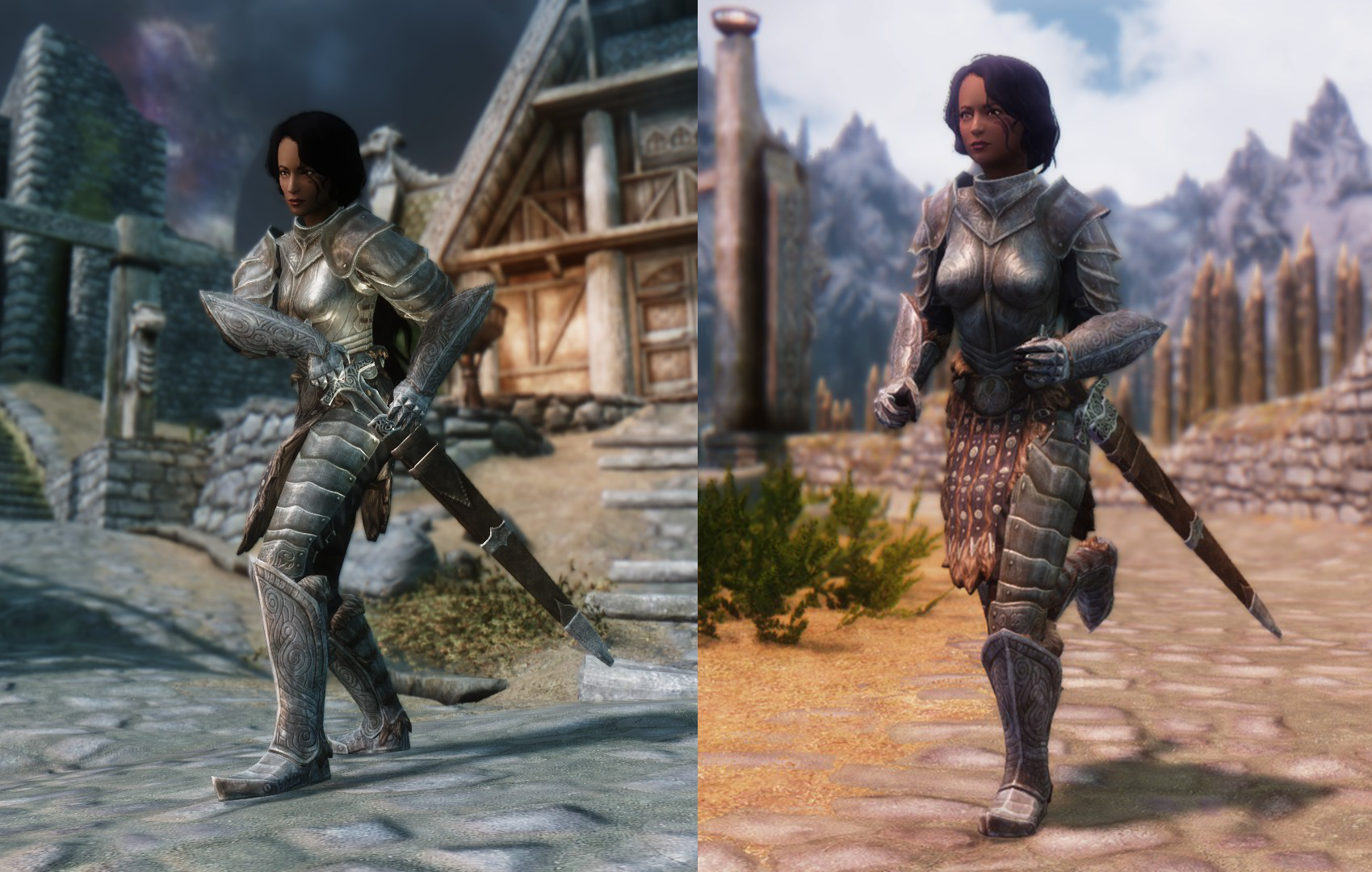
Let's talk about this stunning armor. What was the core inspiration? Was it based on an existing character or your own original concept? We'd love to hear the story behind it.
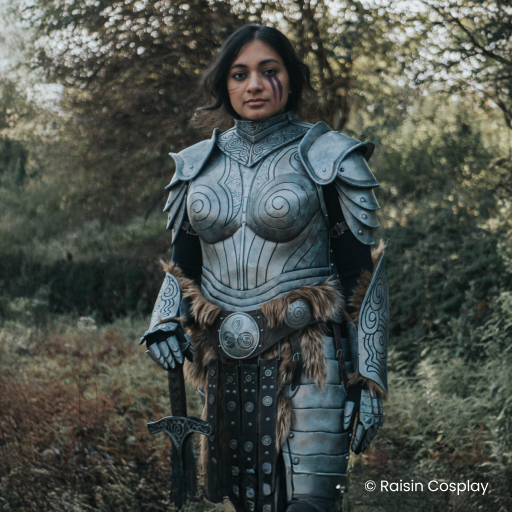
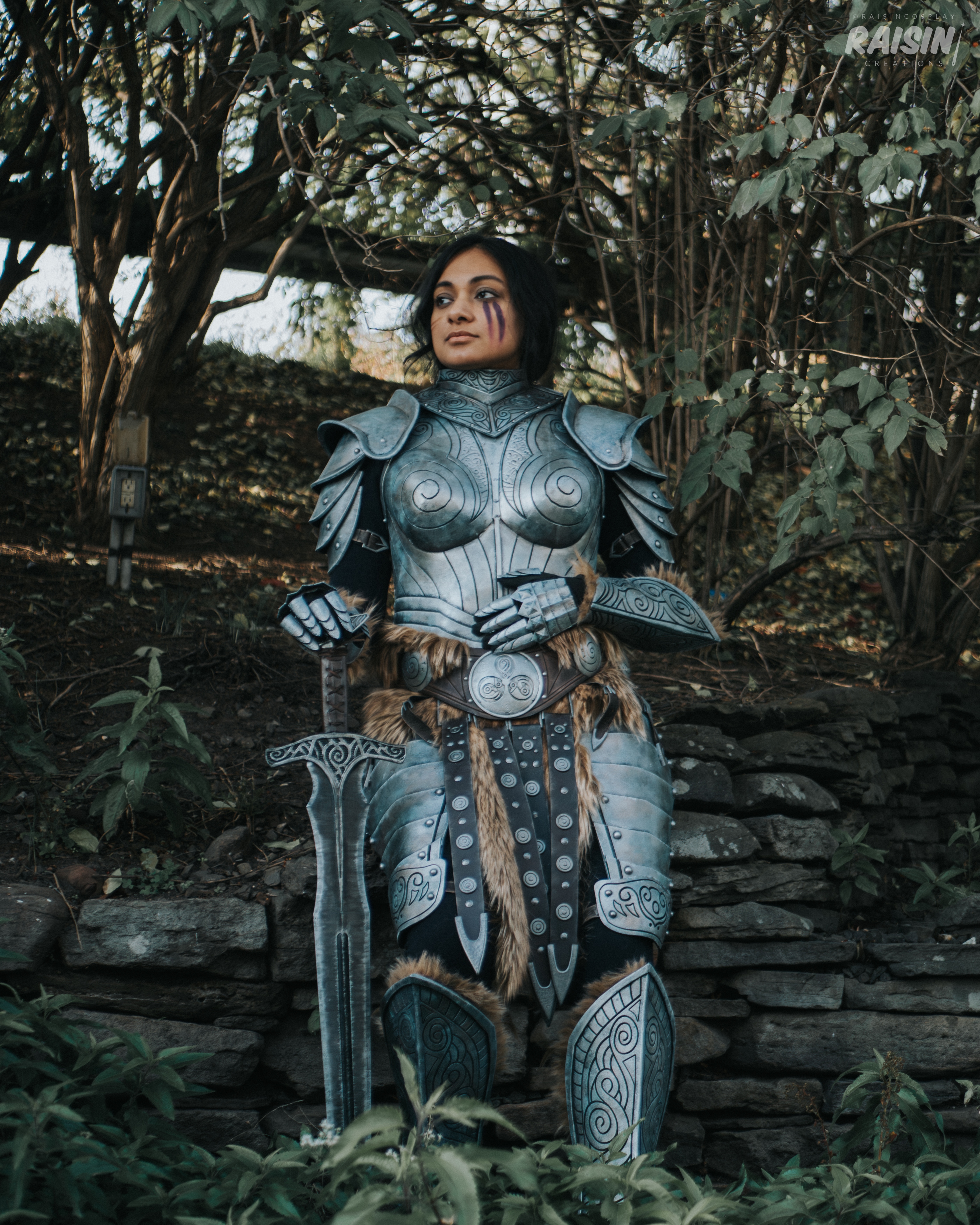
The armor is a cosplay of an existing armor from the 2011 video game “The Elder Scrolls V: Skyrim.” It is the Steel Plate Armor, originally designed by Ray Leder, Senior Concept Artist at Bethesda Game Studios. I have always loved this design and have wanted to bring it to life for many years. In fact, I have unsuccessfully tried to create this armor twice before over the years and was not able to make it happen until I started using CLO!
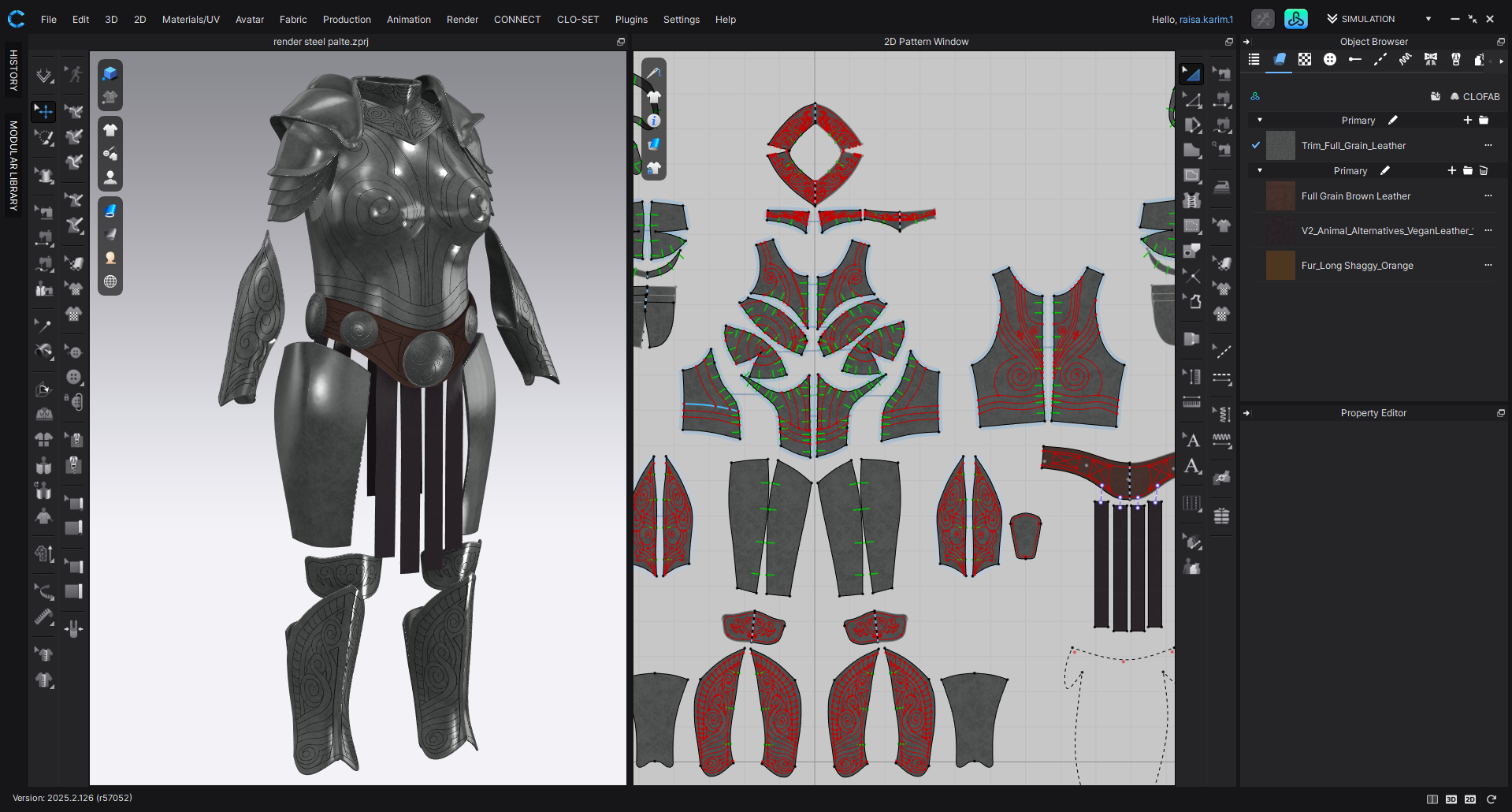
When you were creating the patterns for this armor in CLO, what were the most critical details you had to get right to ensure they would translate perfectly into physical materials like EVA foam? Perhaps there was a specific curve, seam, or layered piece that was especially challenging?
Something I had to consider when translating the pattern onto EVA foam and engraving it is the “turn of cloth” of the foam. I used 4-5mm EVA foam, which is much thicker than most fabrics or leathers. Due to the thickness of the foam, the outside surface area of the armor is larger than the inside. Usually when cutting EVA foam, I would translate and cut the pattern on the “wrong” side of the foam that would be my interior surface area. However, this was not possible for this project as I had to engrave and cut the patterns on the “right” or exterior facing side of the foam. In order for the armor to fit me after cutting and assembling, the actual pattern had to be a bit larger. CLO’s additional thickness rendering was very helpful in doing this! The new “Extrusion Direction” setting will be especially vital for future projects.
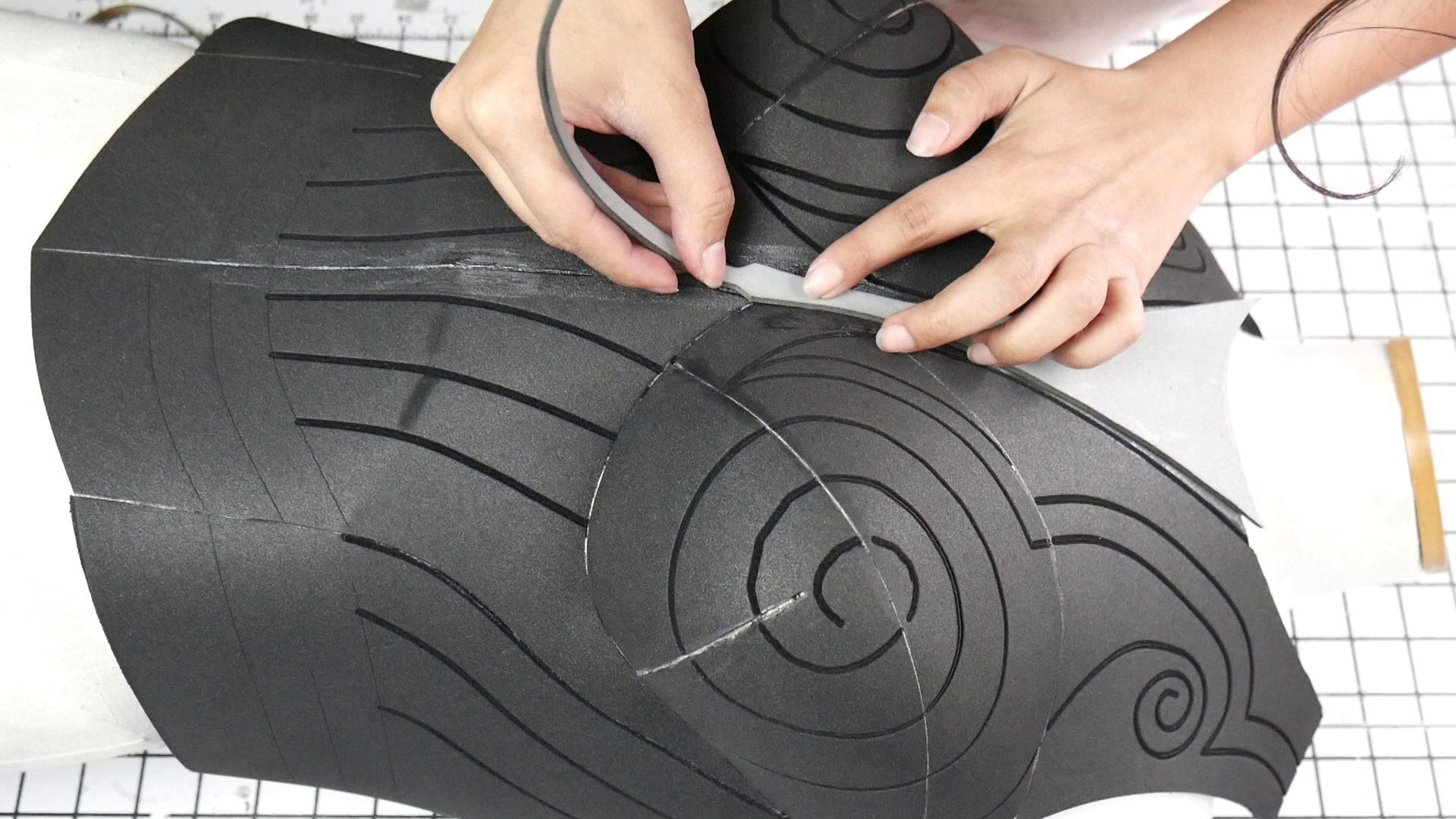
This is the part our users will be most excited about! Could you walk us through the process of taking your finished CLO patterns and turning them into the physical, wearable costume? What were the biggest hurdles in translating the 3D design into tangible materials?
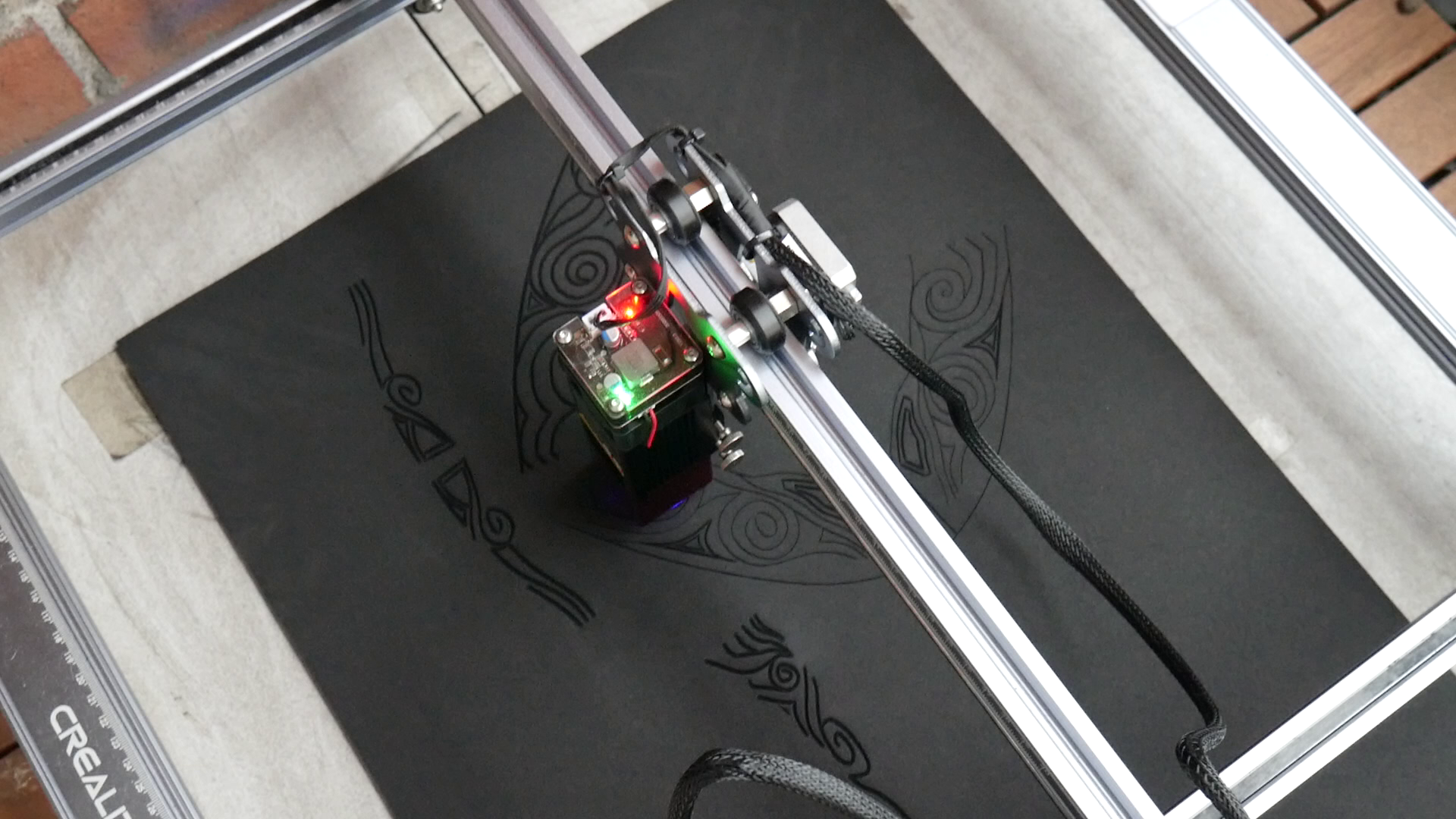
In my previous attempts, the biggest hurdle with trying to make this costume a reality was drawing out all the swirly engravings and having them flow seamlessly and symmetrically from pattern piece to pattern piece. I could not have done that efficiently without CLO! CLO also allowed me to export everything as a vector PDF to be able to turn the pattern pieces into laser engraving files. I love having the ability to use and export the files that way so they can be used with many other different software programs.
The final armor is made of high density EVA foam (also known as craft foam). I cut and engraved all the patterns onto sheets of 4mm thick foam with a simple 10 watt diode laser engraver. Once the patterns were cut and engraved, it was a matter of gluing all the seams with contact cement and using heat to achieve the final shapes and curves. From there, I sealed and hand painted the armor using various craft paints to get that patinated metallic finish!
You work in fashion retail and have a master's degree in business, which is a unique combination for a cosplayer. How does your professional background influence your creative projects?
My job mainly funds my creative projects, but I’ve always been passionate about clothing. My background advises the more business side of things, like how I choose what kinds of patterns to create and how to market not only my digital products, but myself as well. I think my career has given me a wide variety of skills to be able to turn my creativity into a business including giving me an eye for product and skills for understanding my customers.
Finally, many CLO users dream of bringing their digital creations to life, just as you have. What is one key piece of advice you would give to someone who wants to start their journey from digital design to physical cosplay or creation?
For me, it’s been really important to learn by starting with a project I’m really passionate about. I find it hard to motivate myself if the project isn’t interesting. If you have an idea you care deeply about, use it to push yourself to develop the skills to make your idea a reality.