


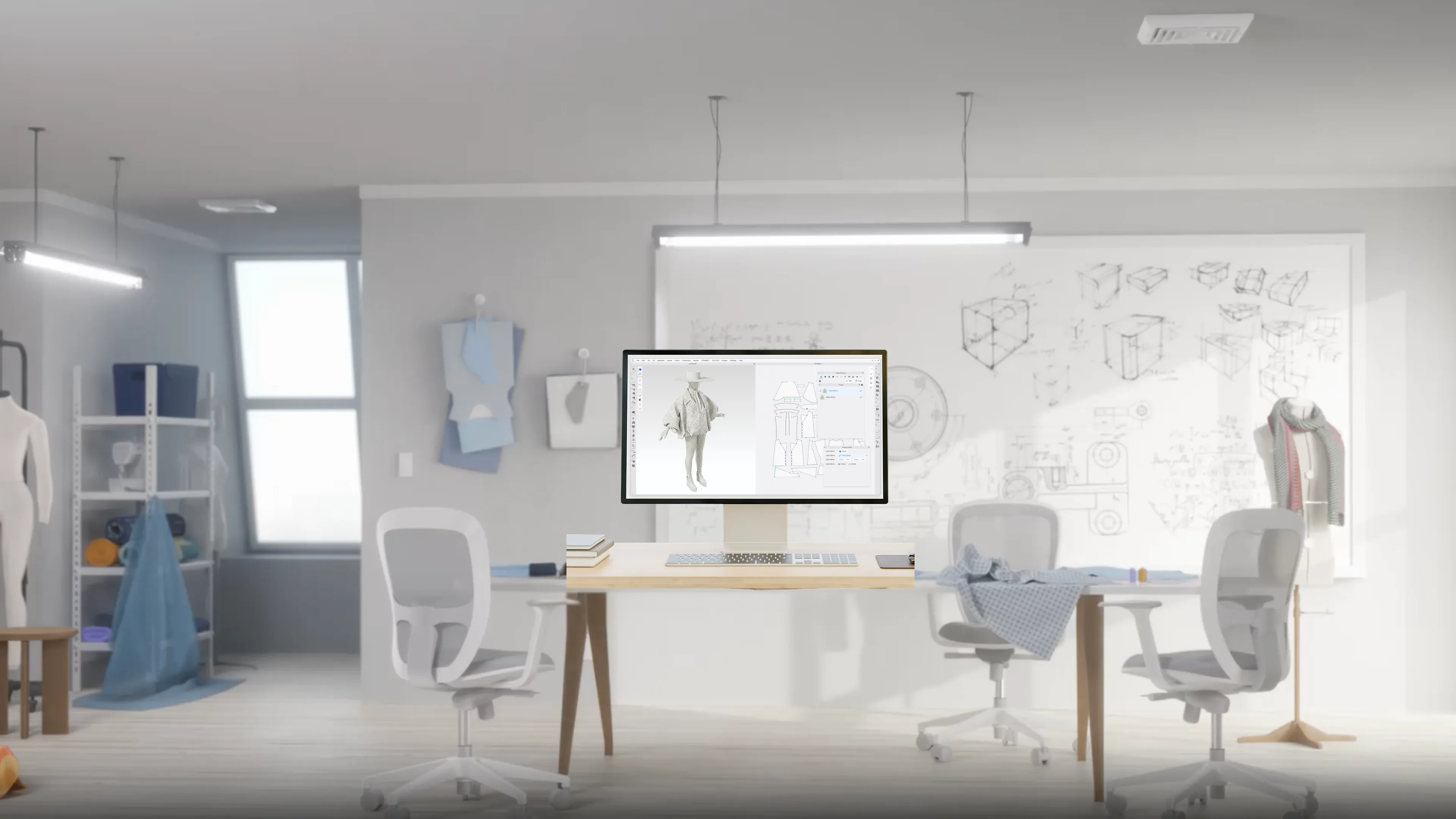
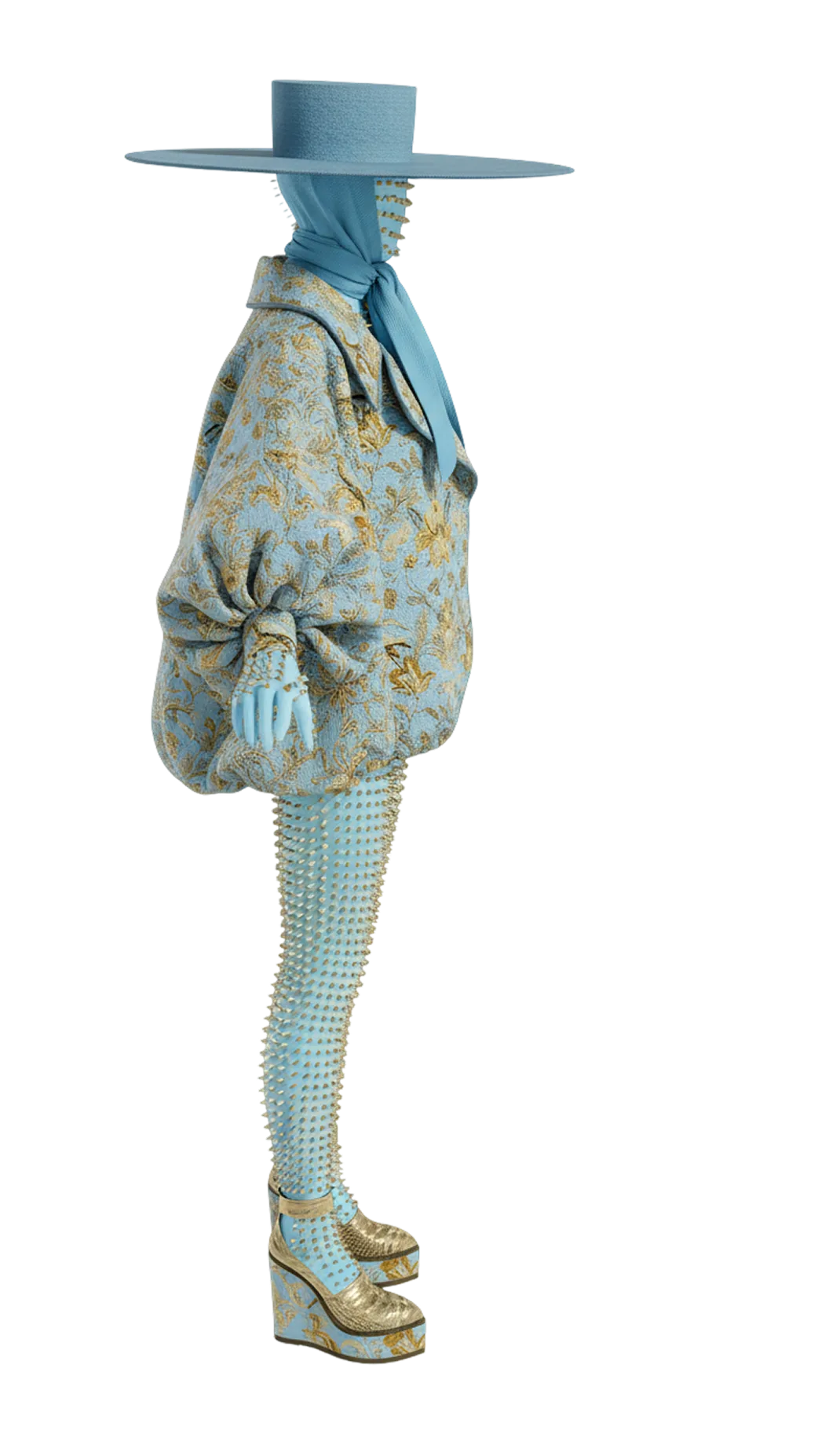
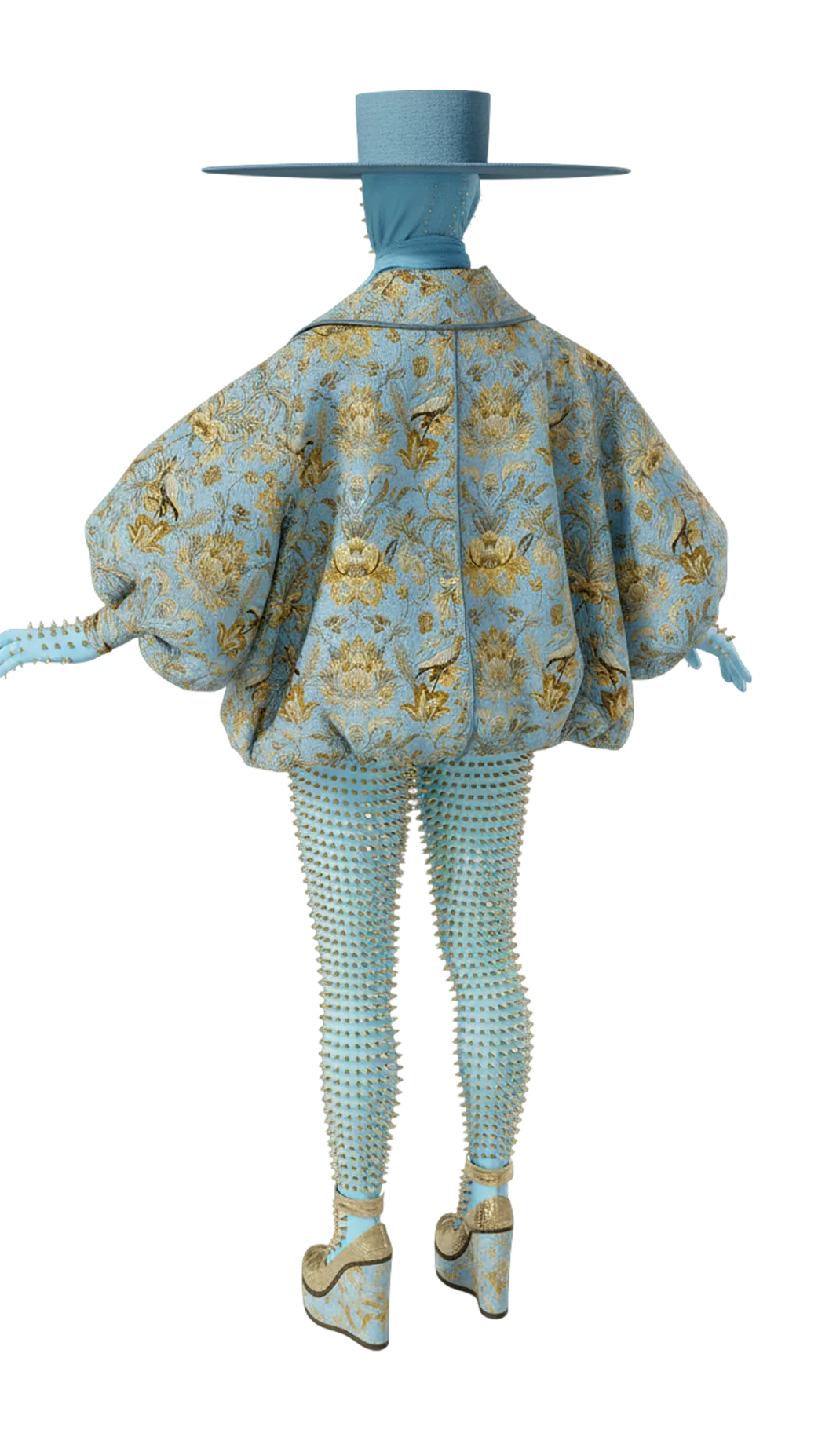
This year, our community celebrated creativity and cultural expression through the Carnival Design Contest. Designers were invited to capture the vibrant spirit of Carnival and bring their ideas to life using CLO. The contest received inspiring submissions that showcased not only technical skill but also the imagination and unique perspectives of creators from our community.
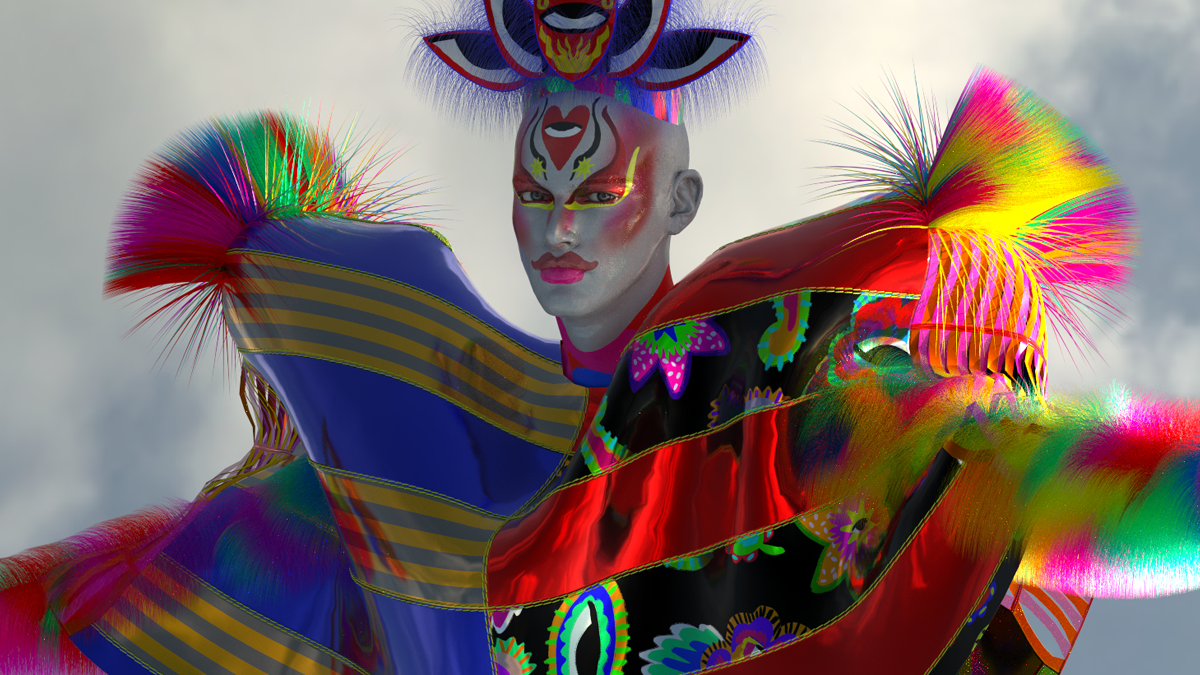
We spoke with the grand winner, Nay Dassi (WarpAtelie), to learn more about his journey, the inspiration behind his winning design, and the creative process that turned his vision into a Carnival look full of personality.
Can you introduce yourself and share a bit about your journey as a designer?
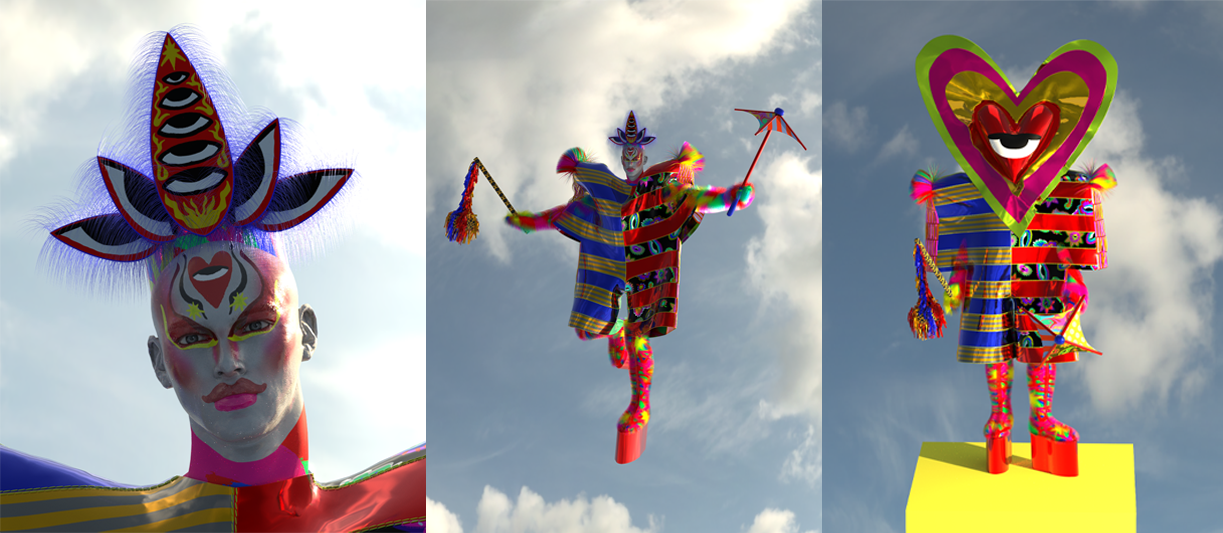
My name is Nayson Dassi, and I’ve been a fashion designer for almost 12 years. Today, I work with prints and digital fashion, serving brands across different niches. This May will mark one year since I started creating directly for the end consumer at Warp. All pieces are designed in 3D and sewn by me, turning Warp into a phygital atelier. With digital fashion, I can deliver truly original pieces with well-crafted finishes and techniques.
What inspired your Carnival design? What story or energy did you want to capture?
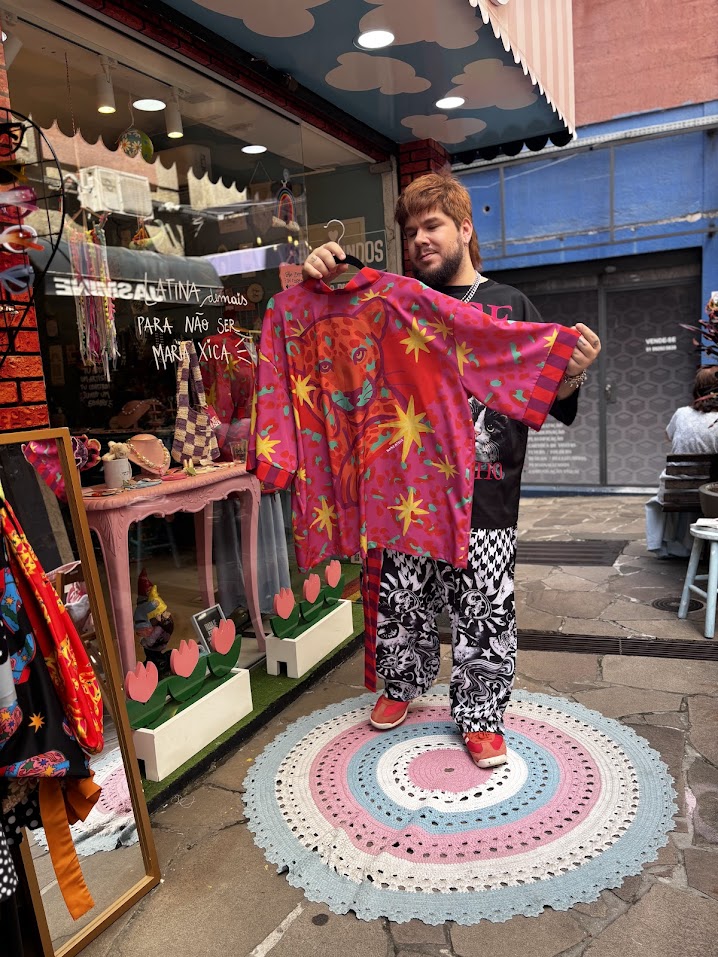
I’ve always experienced Carnival from a distance. I’m not into street parties or samba, but I’ve always found it magical and beautiful. I’m from Rio Grande do Sul, but I lived in Rio de Janeiro and experienced the city beyond its tourist side. That’s when I saw a Bate-Bola for the first time, and it amazed me. It stood out in the middle of a street parade passing my house, and I instantly fell in love.
What was the first element you developed, and how did the design evolve?
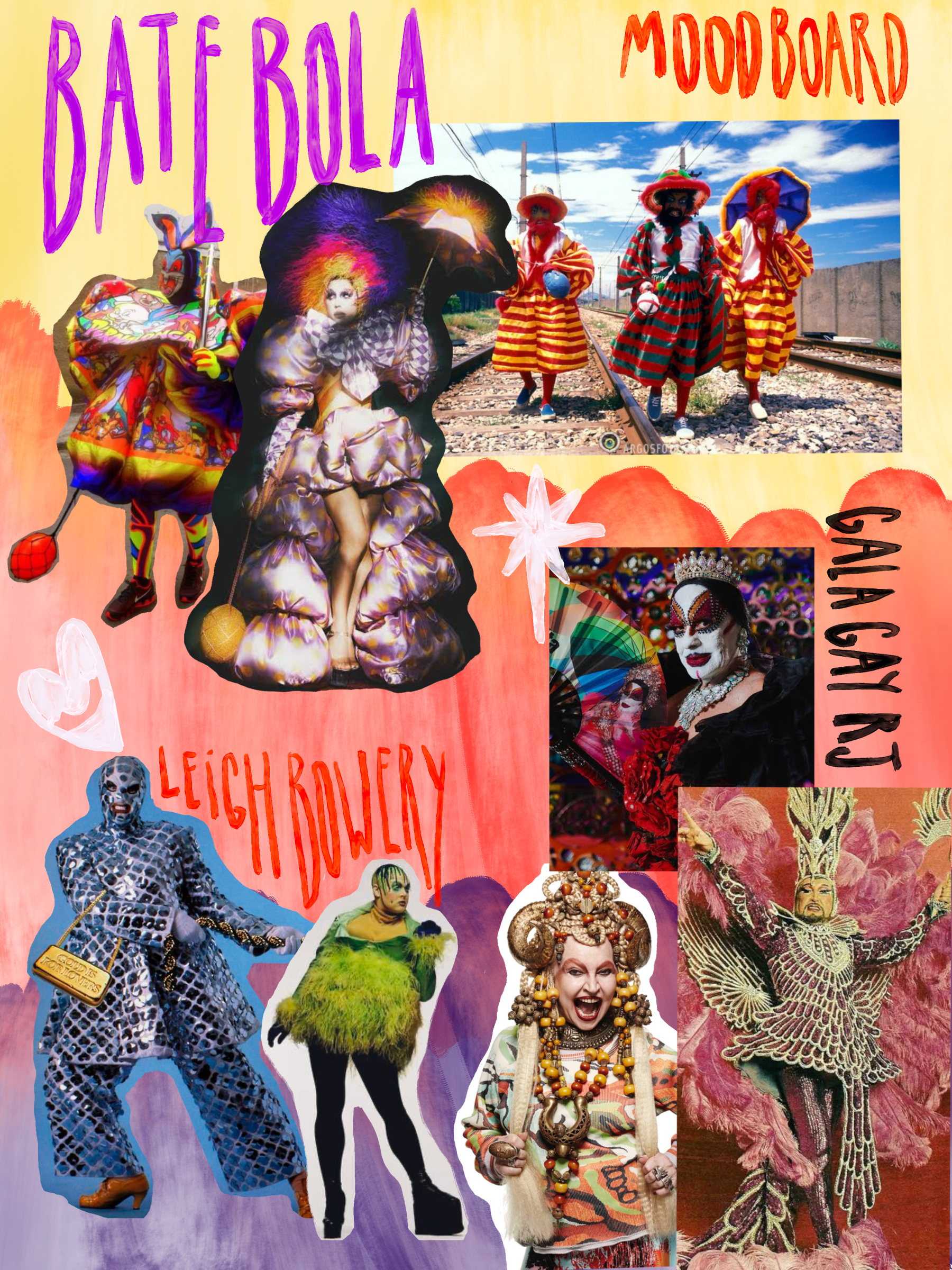
From the start, I knew I wanted to create a Bate-Bola costume. I sketched out rough ideas and immediately started modeling everything in CLO. I like to work by putting ideas into practice quickly. I visualize the concept in my head, then start thinking about patterns and structure. I work organically, experimenting and adjusting along the way until the piece feels right.
Did you face any creative challenges during the process? How did you overcome them?
At first, I considered a costume with lots of fringes, but the process and result didn’t work. That led me to focus more on prints and textures. When I hit a block in development, I move to another stage and return later to see if the problem really needs attention or if it works in context. I’m flexible—I don’t believe in perfect work; sometimes you have to let go of certain details.
Was there a moment when CLO allowed you to do something that would have been impossible physically?
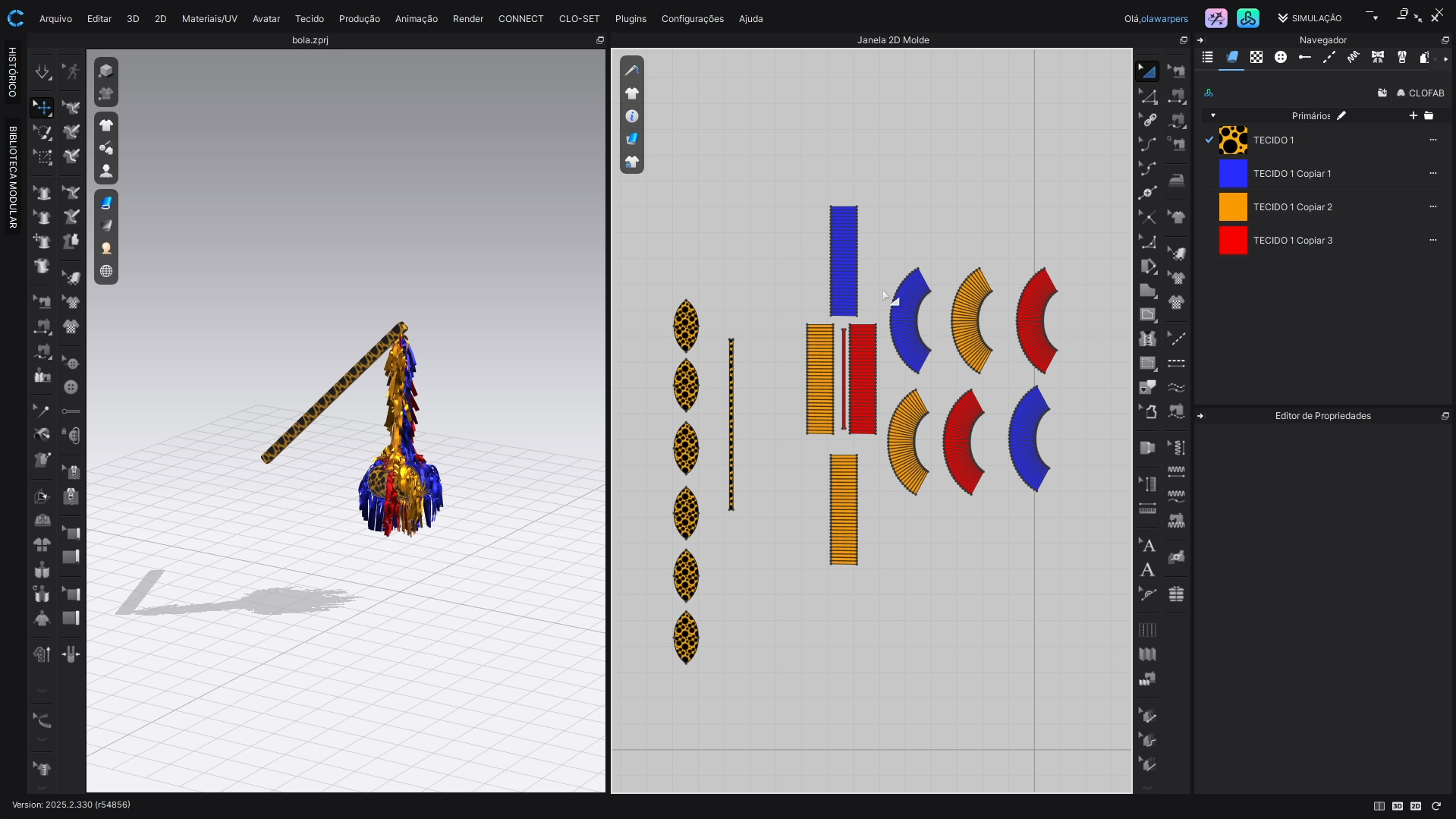
The entire project. A Bate-Bola costume is structurally complex and can take months to create, often passed down generation to generation. Today, I can’t imagine creating without testing first in 3D. I only go physical if I’ve done something similar before. For new designs, CLO gives me confidence—I can test, experiment, and see how it works before making it physically.
Carnival pieces are known for their detail, color, and volume. What was the biggest challenge translating this into CLO?
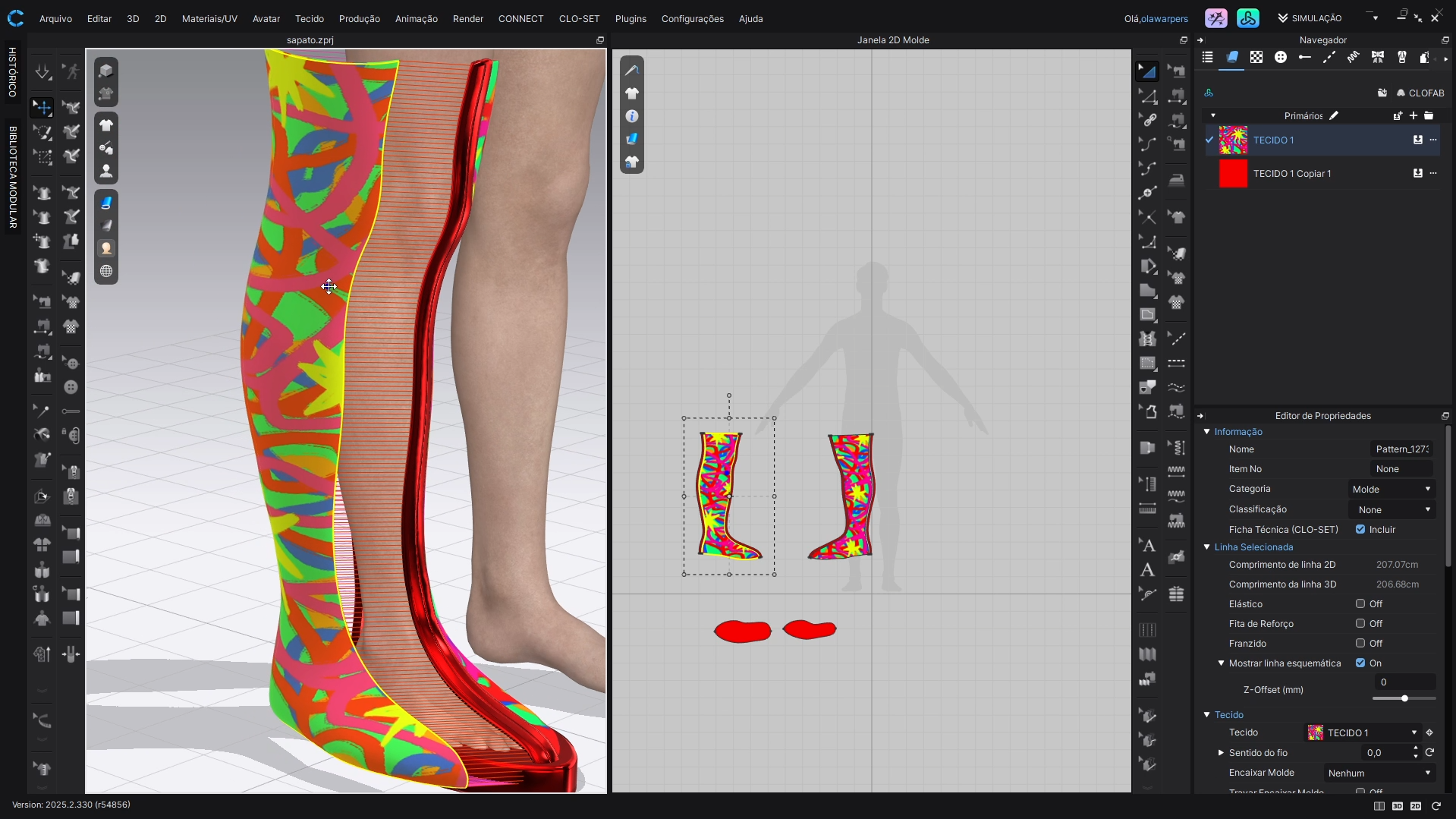
I’ve built a solid foundation in CLO and always try to keep files light for smooth simulation. I rely on visual shortcuts to convey realism while keeping the file manageable. For this project, I used the “strengthen” function to give structure to almost the entire costume,
Which CLO tools or features were most important for bringing your vision to life?
The “strengthen” function was key for structure, along with interfacings and carefully marked topstitching for realism. These also allowed me to experiment with prints directly in CLO, sometimes even adjusting colors on the fly.
Which part of the design are you most proud of technically, and why?
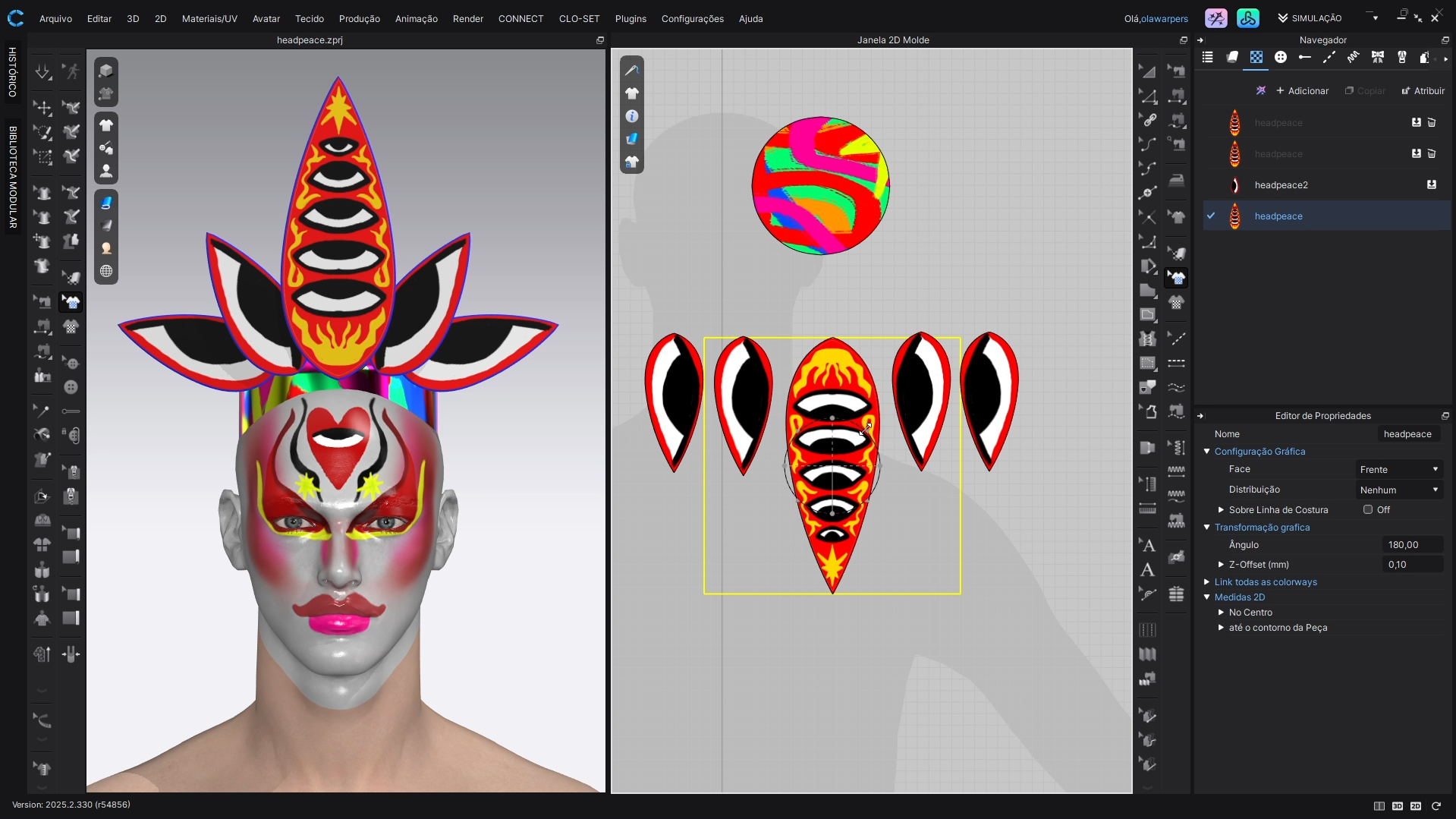
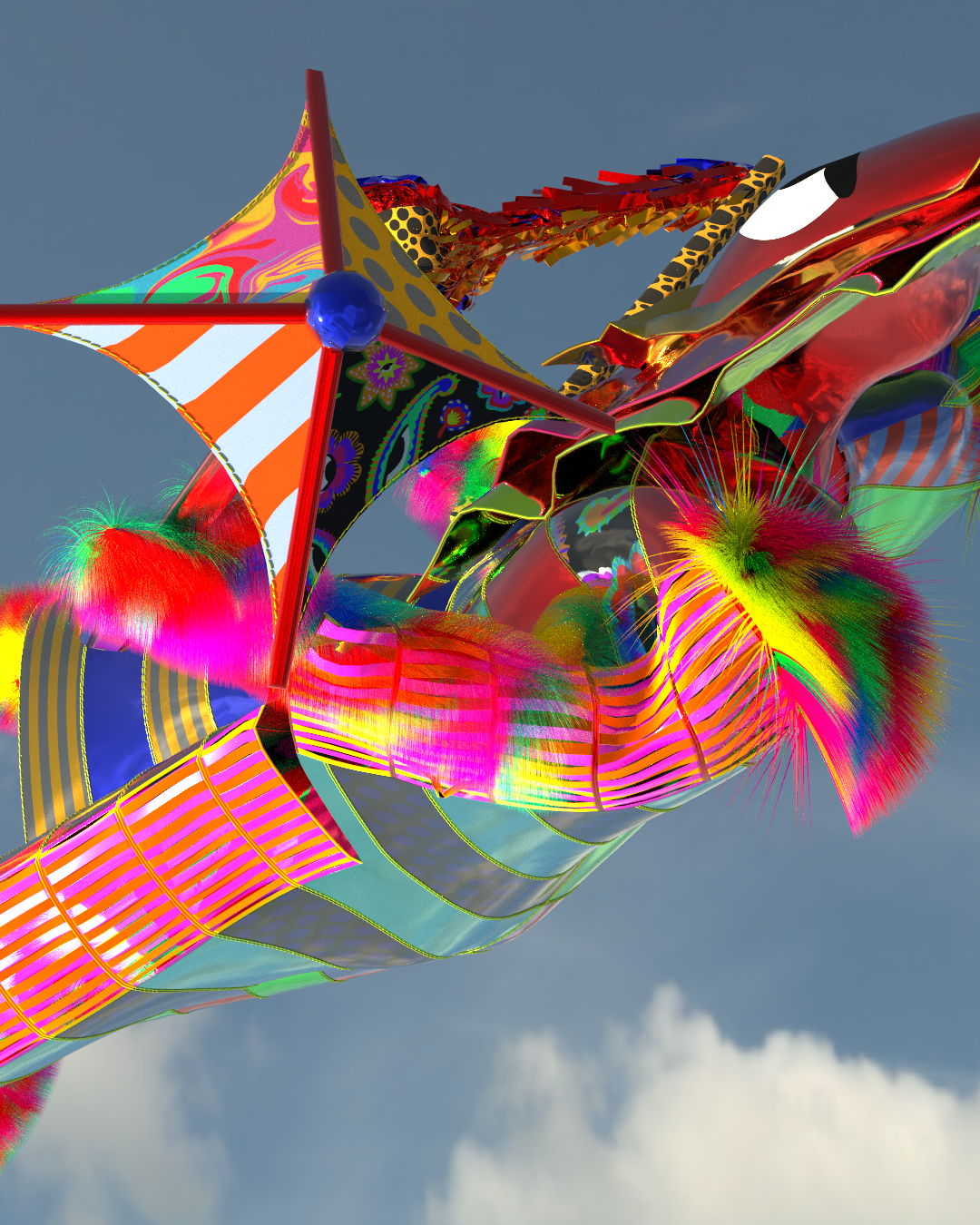
Every detail excites me—the stripes, fixed fringes, and the weave that reveals the avatar underneath. One hand holds a ball, the other a themed umbrella. I designed every print, from elaborate motifs to polka dots and stripes. I loved being able to include all the ideas in my head, even transforming my atelier’s logo into a giant headpiece layered with another headpiece underneath. It was pure fun and creativity.
What advice would you give designers hesitant to start with 3D or enter contests like this?
You only learn by doing. CLO gave me the autonomy and confidence to model in ways I never had before. Today, I only take on projects for brands that embrace CLO or 3D. The market is moving fast—those who adapt thrive; those who don’t, fall behind. Just start, however you can. I began designing prints on my phone and gradually built my atelier with every opportunity the market gave me. It’s not easy, but it’s far more rewarding than just wishing.
What’s next? Are there projects you’re excited about?
I’m launching Warp’s winter collection with pieces modeled and rendered in CLO, using AI 3D avatars. The designs are wide, bold, and feature exclusive prints I created. This time, they have more visibility than last year, and I hope to produce even more. I’m thrilled to release these new pieces and sew the upcoming orders.