


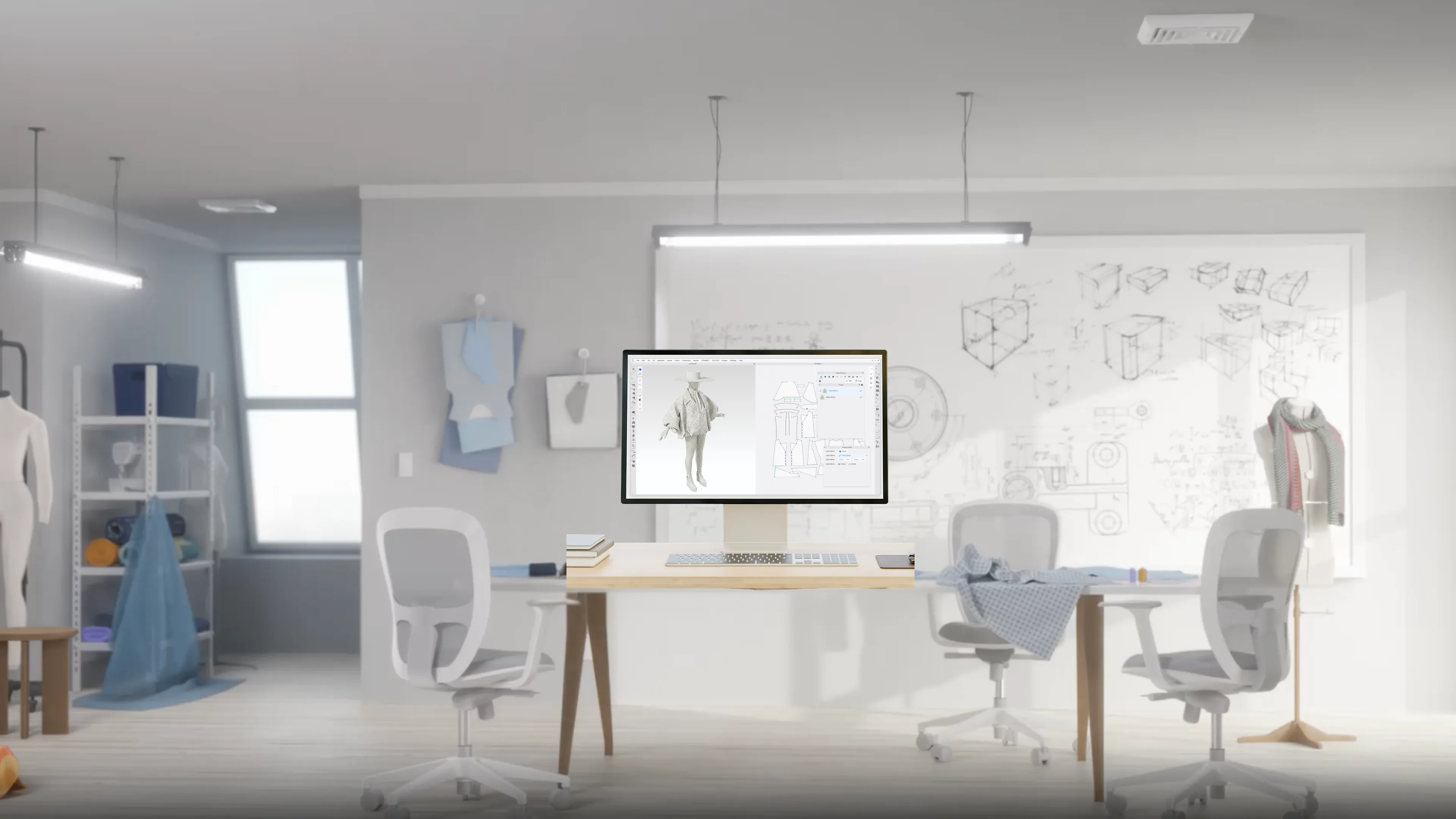
What happens when your digital garment animation is so powerful it literally tears the fabric apart?
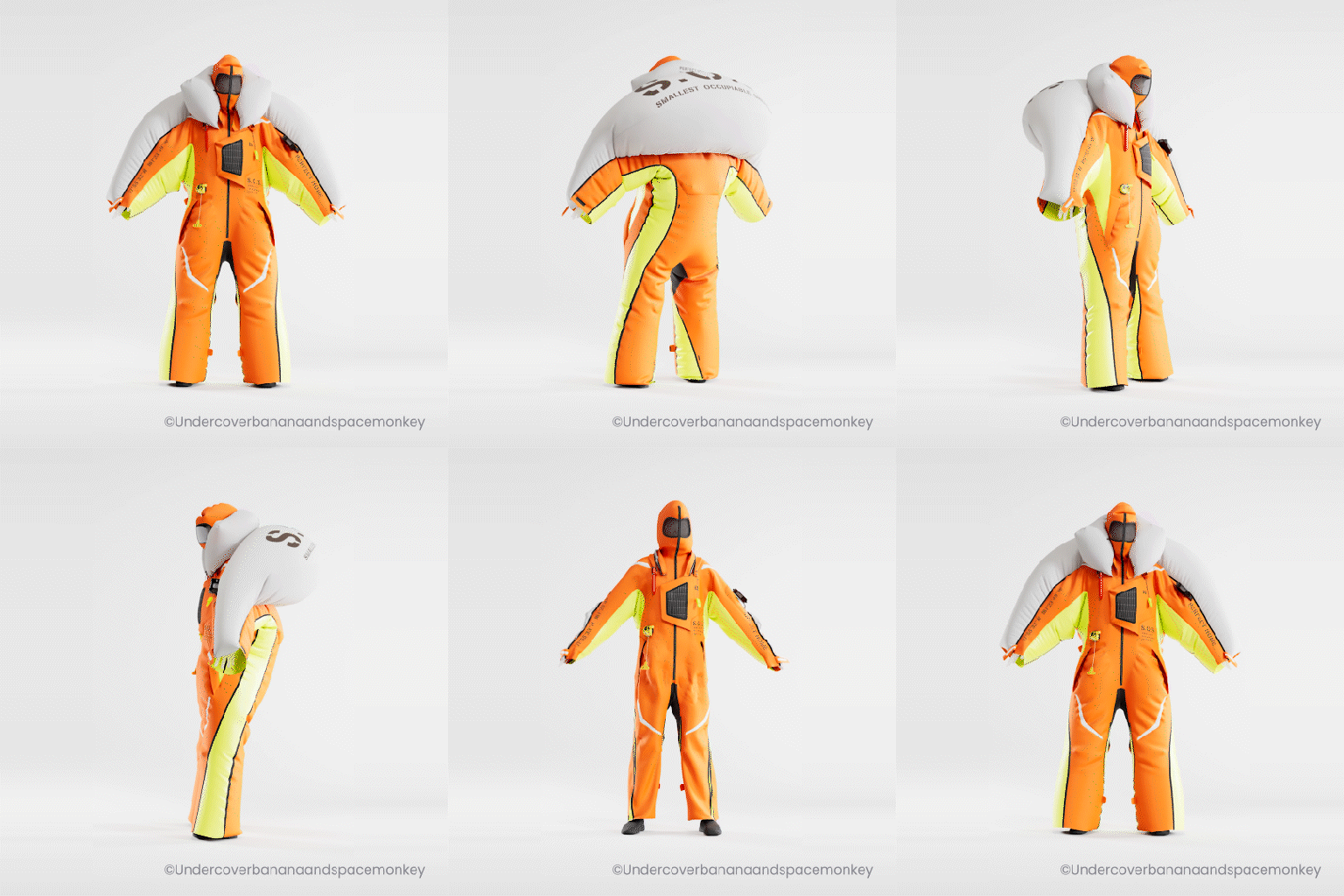
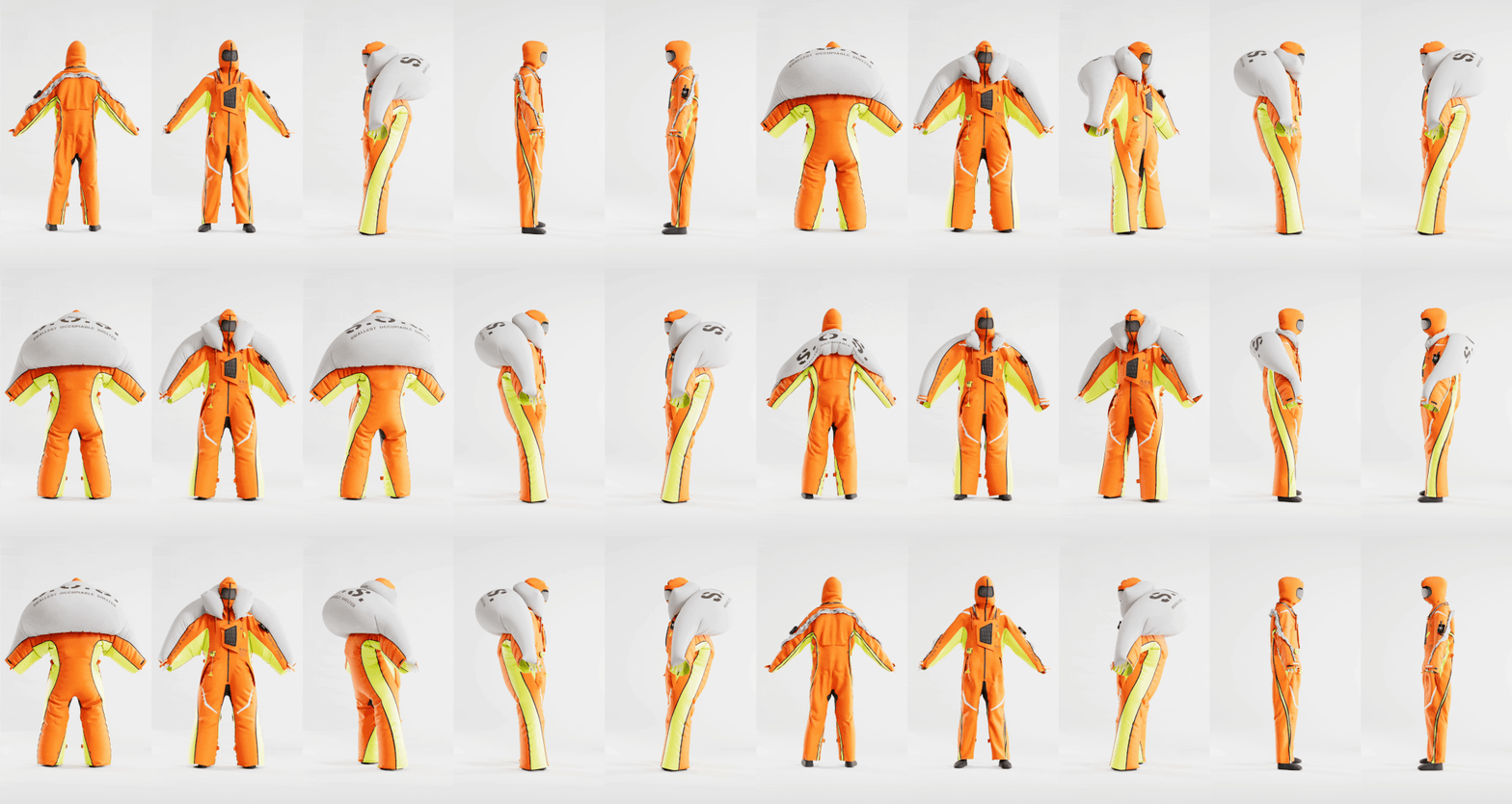
That’s just one of the challenges UBASM—the creative mind behind the CLO 2025.2 release artwork—solved while bringing the 'Perfect Home: SOS' concept to life. In partnership with internationally acclaimed artist Do Ho Suh and Kolon Sport, he created a wearable shelter designed to protect the human body in extreme environments.
In our latest interview, he reveals the clever keyframing technique he developed to achieve controlled inflation and shares the secrets behind his distinct artistic vision. Discover how mastering the technical side of CLO helped him build an incredible portfolio and find his own creative voice.
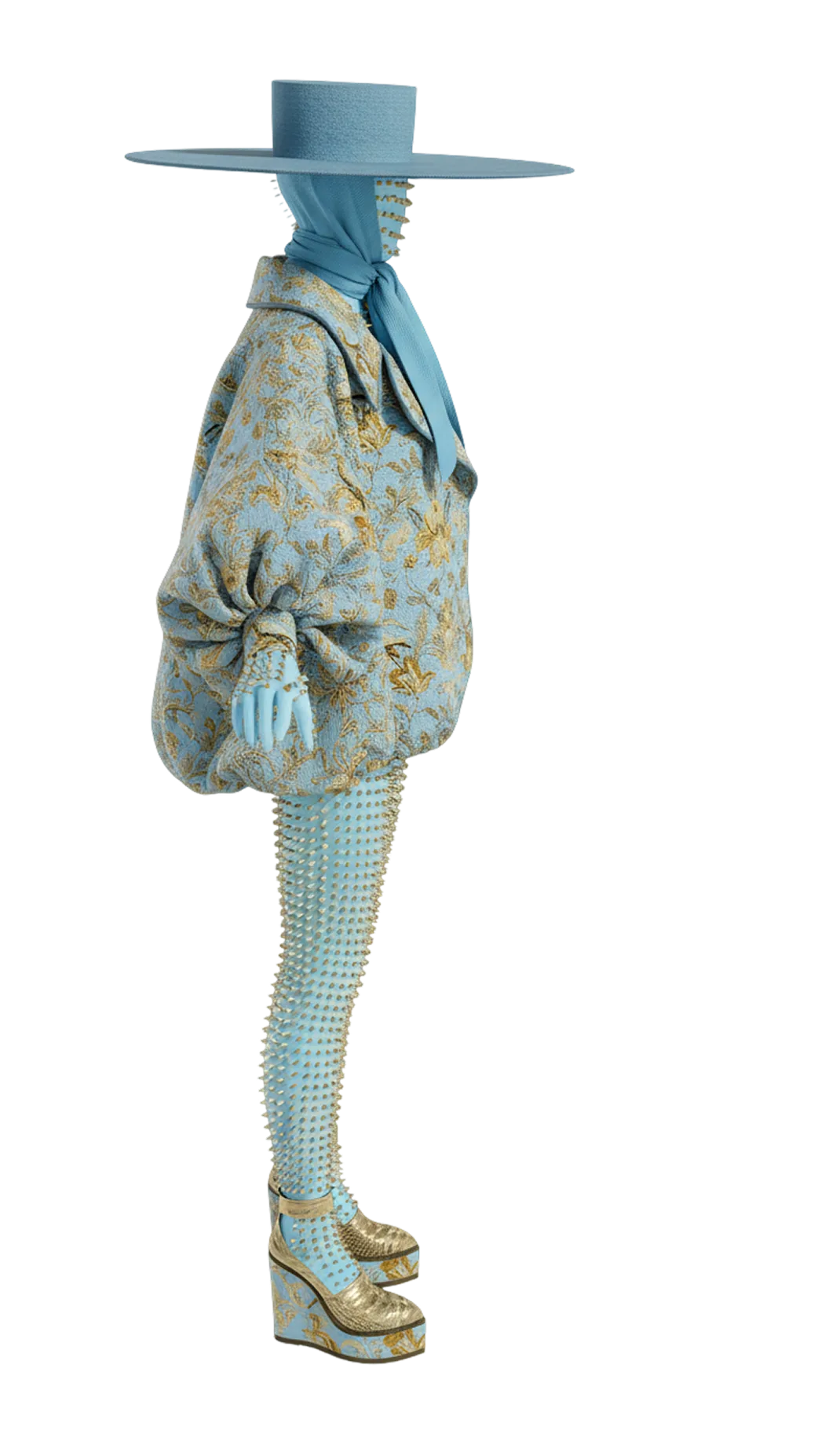
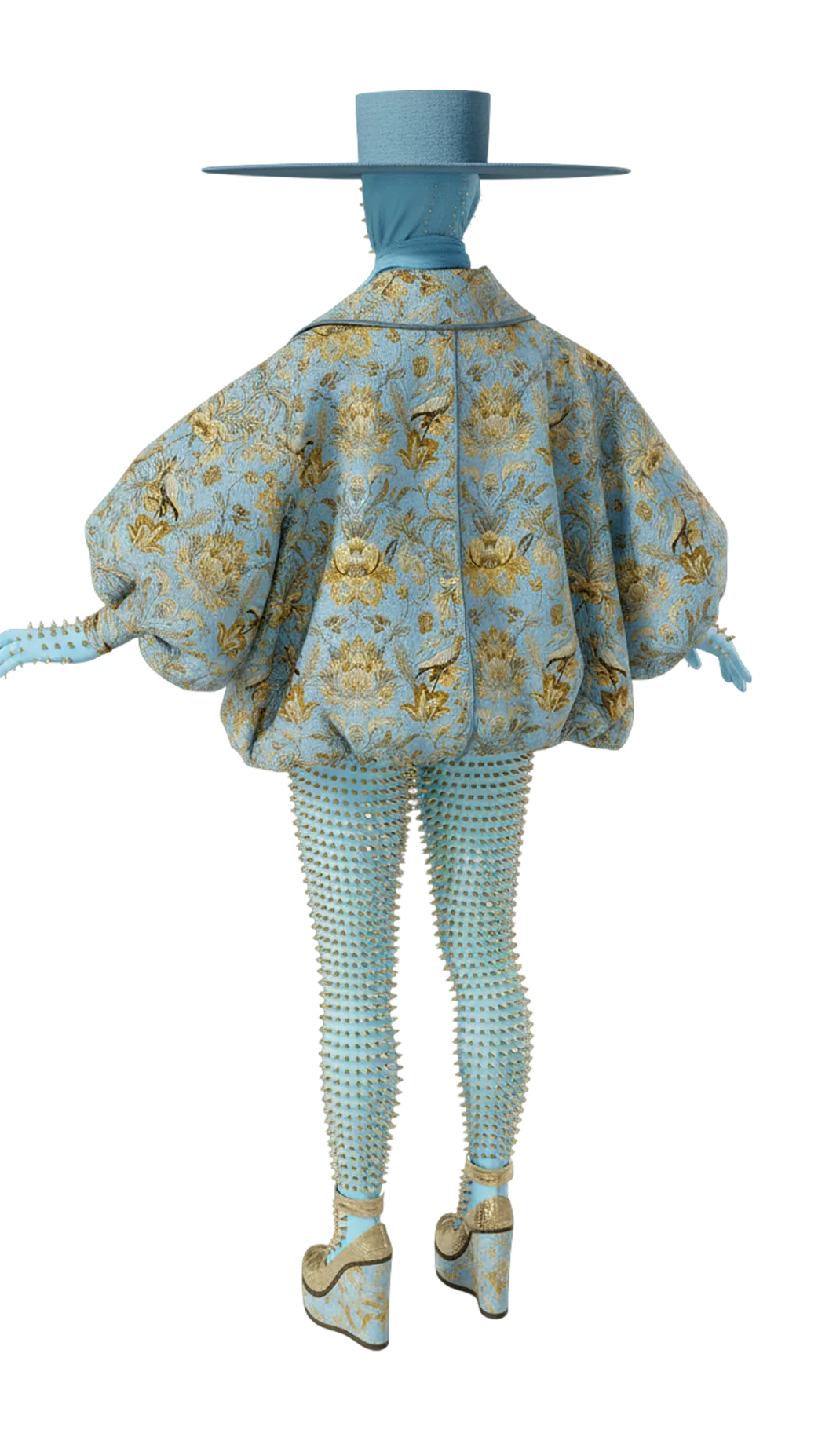
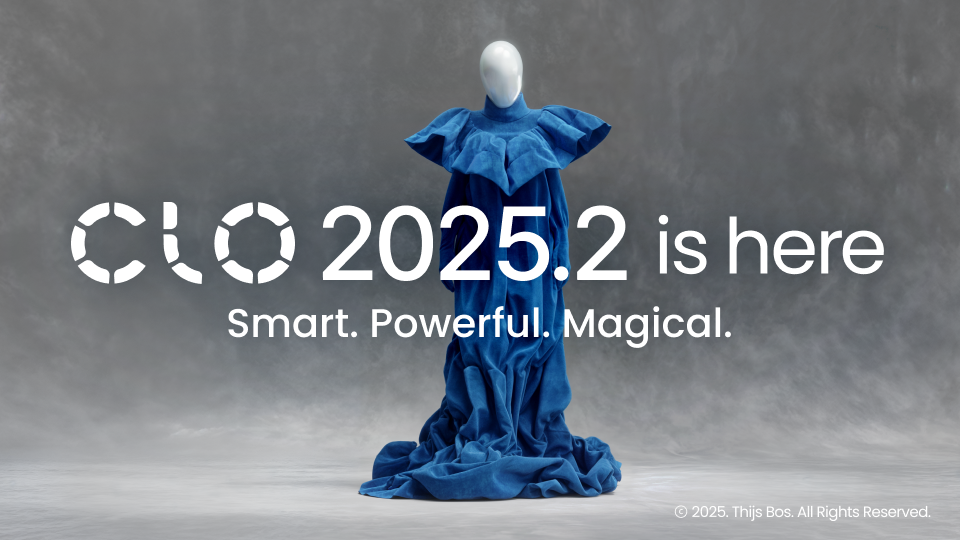 "Recognize this masterpiece? The official CLO 2025.2 release artwork, created by UBASM."
Welcome, UBASM! It’s a pleasure to feature your work. Before we dive into your design process, we have to ask about your unique alias: 'UBASM' (Undercover Banana and Spacemonkey). What’s the story behind it?
I wanted something playful, a reminder not to take life too seriously, because it’s way too short for that.
To start, could you walk us through your journey into the world of 3D art? What first drew you to this field, and how did CLO become a central tool for building and shaping your creative portfolio?
I first began my journey by creating digital-only fashion. The work of artists like Antoni Tudisco, Soze, and studios like The Fabricant drew me into it, and I immediately fell in love with its limitless possibilities. Fashion became my medium for artistic expression, and 3D tools opened up a new space for experimentation.
What fascinated me most was the magic of cloth simulation, watching digital garments behave like real fabric felt really satisfying. I also loved the challenge of achieving photorealistic results, working with fibers, textures, and hair systems to blur the line between the digital and the real. CLO became central to my process because of its powerful simulation tools and flexibility.
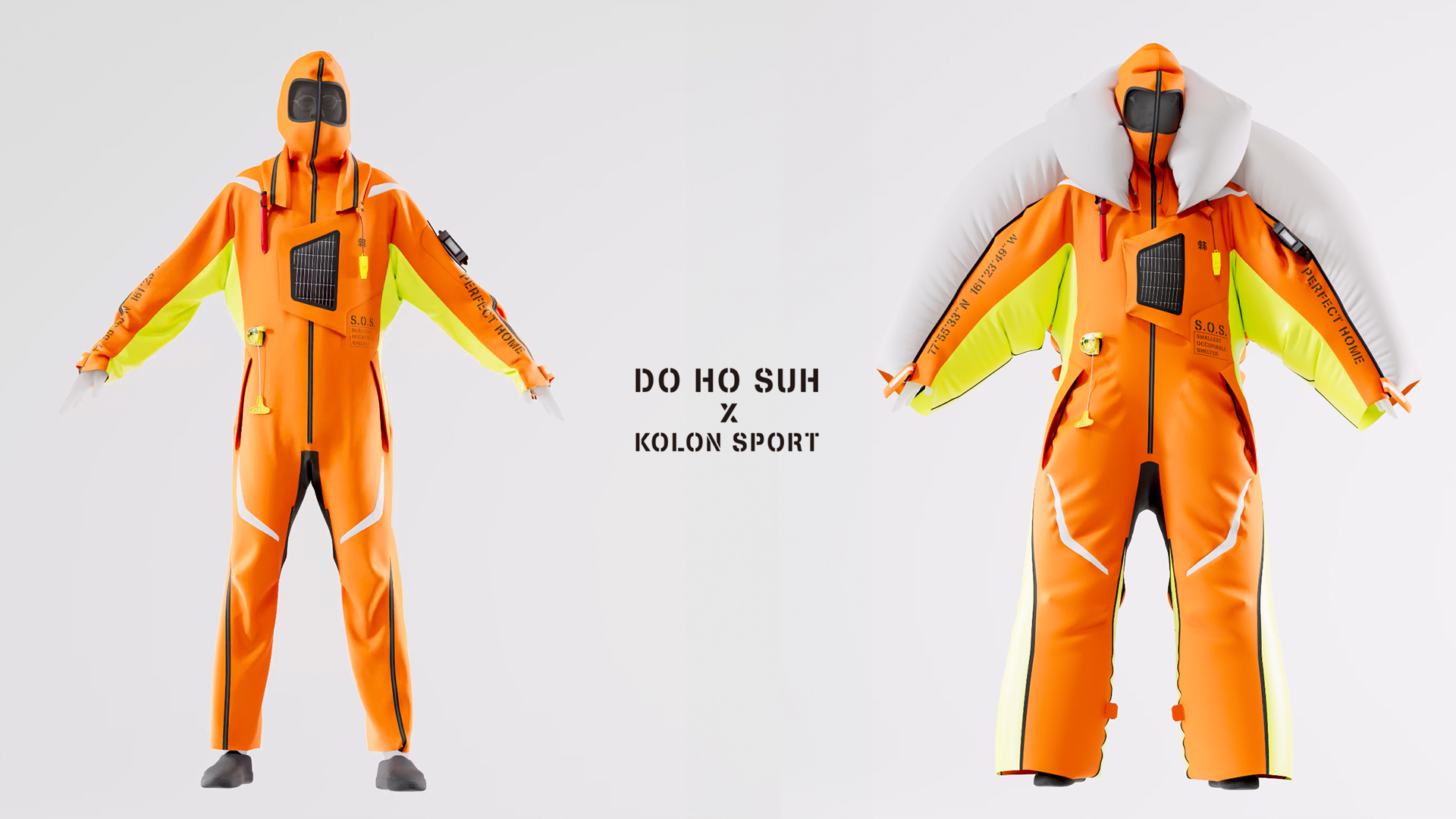
Let's talk about your recent project with Kolon Sport. This wasn't just a garment; it was a "wearable home" concept. Could you tell us about your specific role in this unique collaboration? What were the challenges of animating such a complex structure, and how did you leverage CLO to ensure the movement felt realistic?
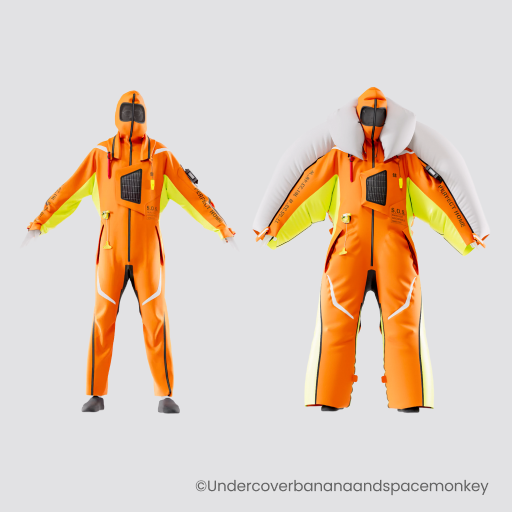
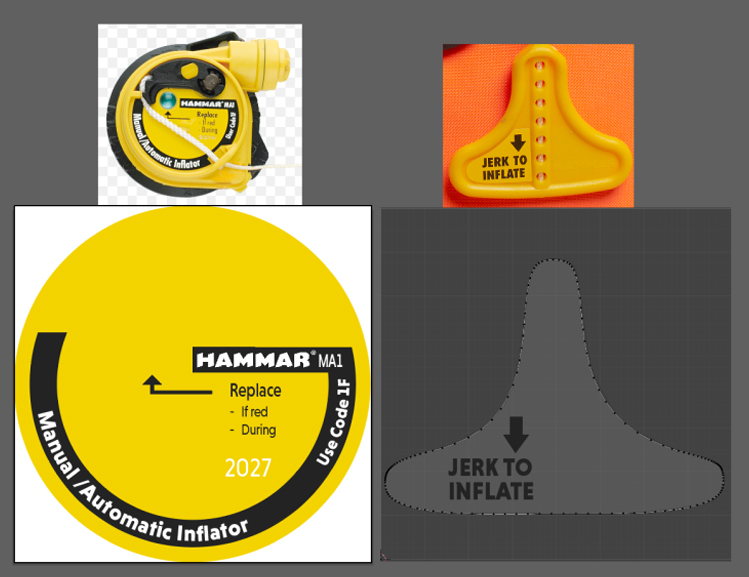
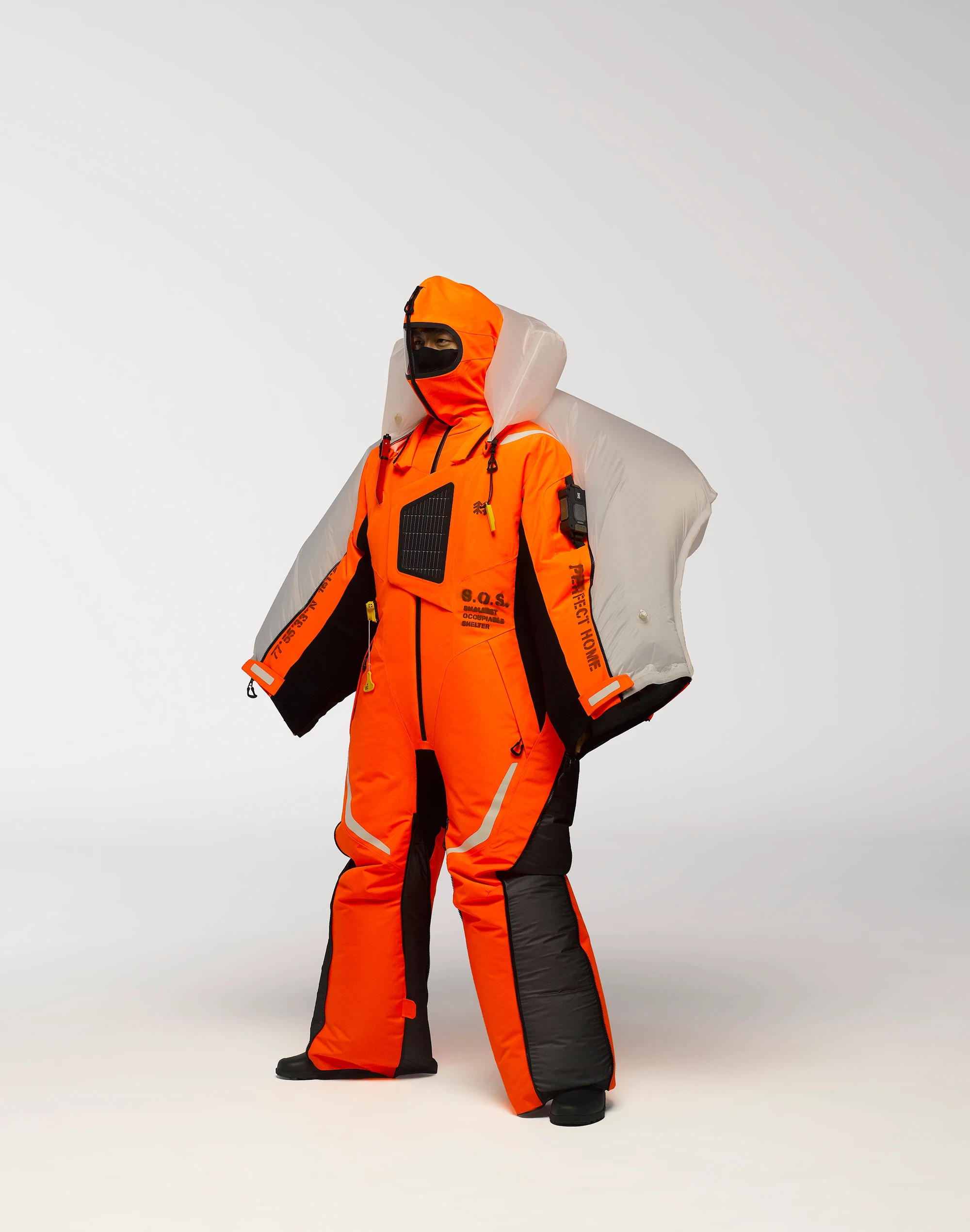
As part of Do Ho Suh Studio’s collaboration with Kolon Sport, I was responsible for animating the survival suit in CLO3D. The main challenge was achieving controlled inflation within CLO3D. A single, instant inflation didn’t work because the force was so extreme that it tore the mesh apart. To solve this, I keyframed the inflation to control the process more precisely, by increasing the pressure by about 10% every 10 frames. It required a lot of fine-tuning since the suit had multiple inflatable sections, each reacting differently and needing its own frame-to-pressure ratio. In the end, the method worked really well. By adjusting those ratios, I could present the client with various inflation speeds and fabric behaviors.
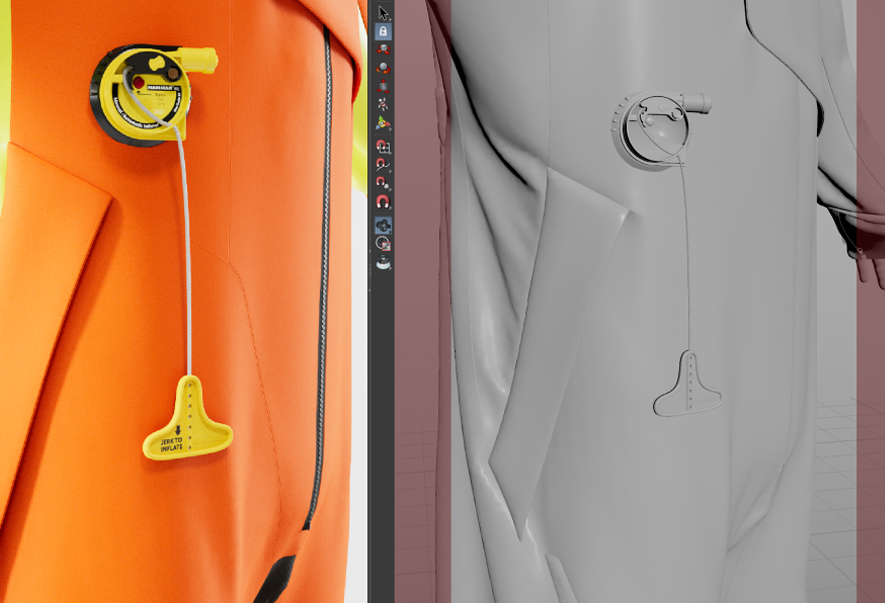
“Wearable Architecture: The 'SOS' suit transforms from a garment into a personal shelter. UBASM used CLO's pressure settings to animate this metamorphosis smoothly without breaking the intricate mesh structure.”
Collaboration is a huge part of the creative industry. You’ve worked with both brands and other 3D artists. How does your creative process adapt when collaborating? What do you see as the key to successfully merging your artistic style with a brand's identity or another creator's vision?
Collaborating with other artists gives me the chance to get new perspectives during the process. When you create on your own, it’s easy to develop blind spots, so getting thoughtful feedback helps push me beyond boundaries and grow. When it comes to blending my artistic style with a brand’s identity or another creator’s vision, I believe the key is to always kind of keep ‘designing for yourself’. They reached out because they connected with my way of seeing things, so staying close to that intuition usually leads to the most authentic result for me.
Beyond CLO, what other tools are essential to your workflow (for rendering, modeling, post-production, etc.), and how do you create synergy between them and CLO?
These days, I mainly use Houdini, which pairs really well with CLO3D. I often export Alembic files from CLO and bring them into Houdini, where I refine and optimize the sim using Vellum. That extra layer of simulation allows me to push the realism further.
Thinking about your recent work, could you share a personal project that you’re particularly proud of? What was the core concept behind it, and which CLO features were most essential in bringing that specific vision to life? Perhaps there was a particular tool or technique that was key to achieving the final look?
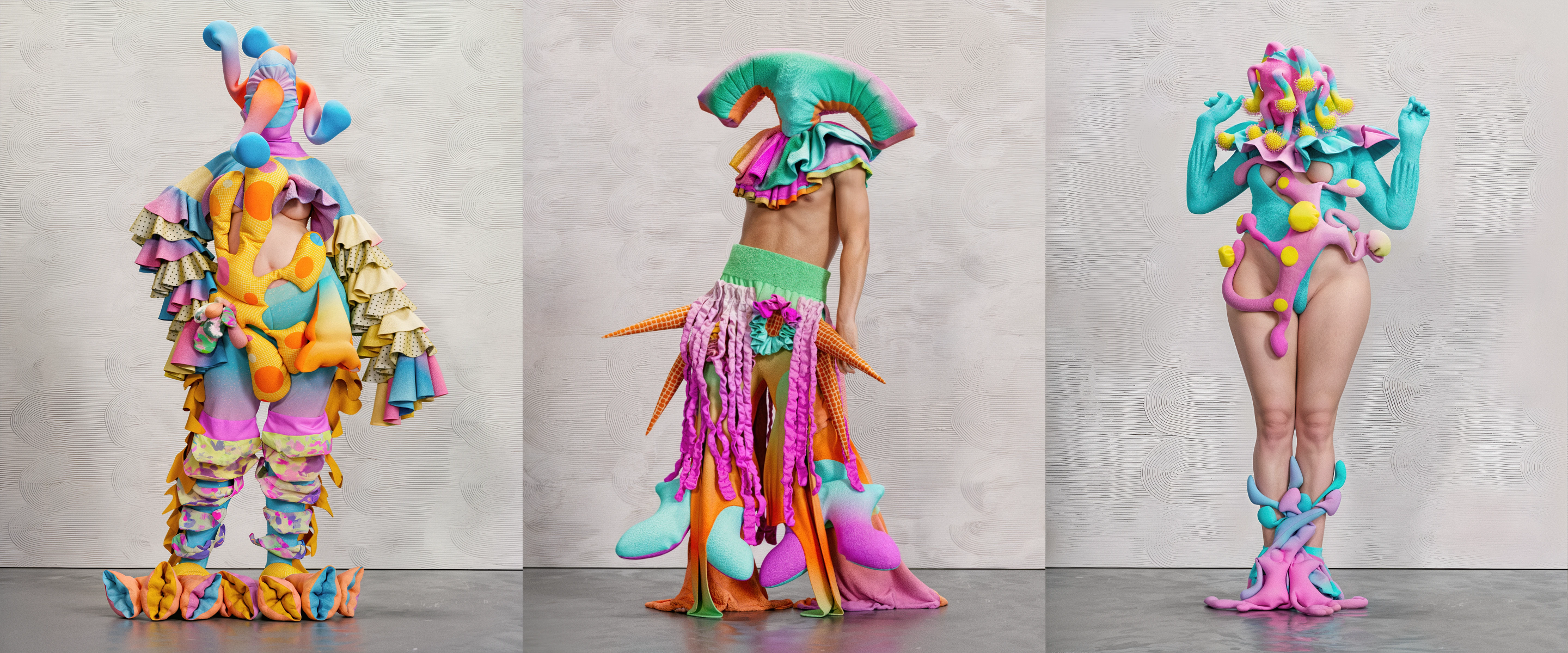
Last year, I created a project called “Modern Hues” (https://www.behance.net/gallery/215878047/Modern-Hues) which I’m proud of. The core concept was about how digital fashion can give everyone the freedom to tell their story through color, texture, and form. It became an exploration of individuality and self-expression, using vibrant palettes and bold shapes to reflect different identities. In terms of CLO features, I had a lot of fun working with inflatable and puffed-up fabric techniques. CLO makes it very intuitive to experiment with volume, almost like sculpting with fabric, which was essential to achieving the final look.
Your work has a distinct aesthetic. Where do you typically draw your inspiration from to create such unique visuals? Do you rely on mood boards, follow specific brands, or find ideas in other hobbies and interests like film, music, or nature?
I keep a folder with thousands of photos and screenshots, from fashion shows to paintings, surreal objects, and anything else that has once made me feel something emotionally at some point. Alongside that, I keep a notes file filled with hundreds of little idea fragments. Whenever something comes to mind, I write it down immediately. Whenever I feel like I start to get tunnel vision, I revisit these folders and notes. I’ve probably only developed about 5% of those ideas, but I think that’s just the reality of working in 3D. At some point, you have to pick a direction and commit.
One of the hardest parts is finding your own aesthetic. For me, it’s not something I can force or consciously direct, it just develops over time. I like to think I’m gradually finding mine.
Every artist faces creative blocks or technical hurdles. Could you share a time you felt like giving up on a project? How did you overcome that challenge?
For creative blocks, what works best for me is the idea of ‘killing your darlings’. It’s okay to let go of ideas and start over. More often than not, you’ve learned something valuable in the first attempt, and the second version turns out much stronger.
When it comes to technical challenges, I’ve found that reaching out to the community helps a lot. In these cases I just post about issues on Instagram stories, asking if anyone has tips or tricks. The CLO community is super supportive.
Finally, for the many aspiring 3D artists in our community who are just starting their journey, what is one key piece of advice you would give them for using CLO to build a strong portfolio and develop their own unique creative voice?
I would say: don’t ignore the technical side. It might not give you instant results, but developing a broad set of skills in CLO3D really expands your creative range. At least for me this has always worked, learning new techniques spark so many new ideas, often more than anything else.
Looking ahead, what is a "dream project" you hope to tackle as an artist?
For me, the dream project isn’t necessarily about a specific brand or collab, it’s more about finding my own style that feels completely natural, like being a fish in water. I want to discover my own unique way of expressing fashion through creative uses of design and tech (by combining garments with sims, forms, and organic elements inspired by nature). It might sound a bit abstract because I’m still in the process of exploring it, but in short: my dream project is to really find my own aesthetic.