


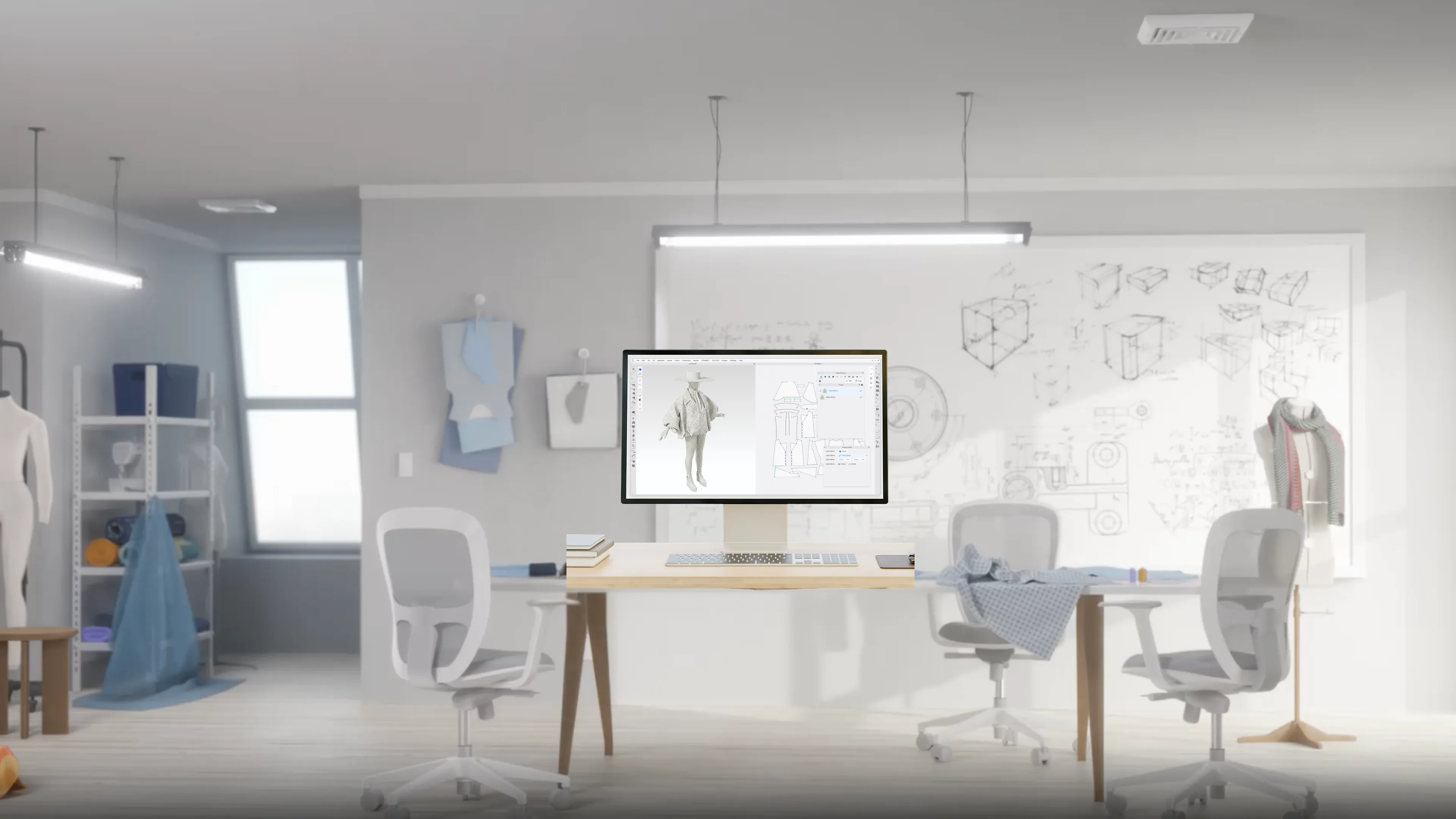
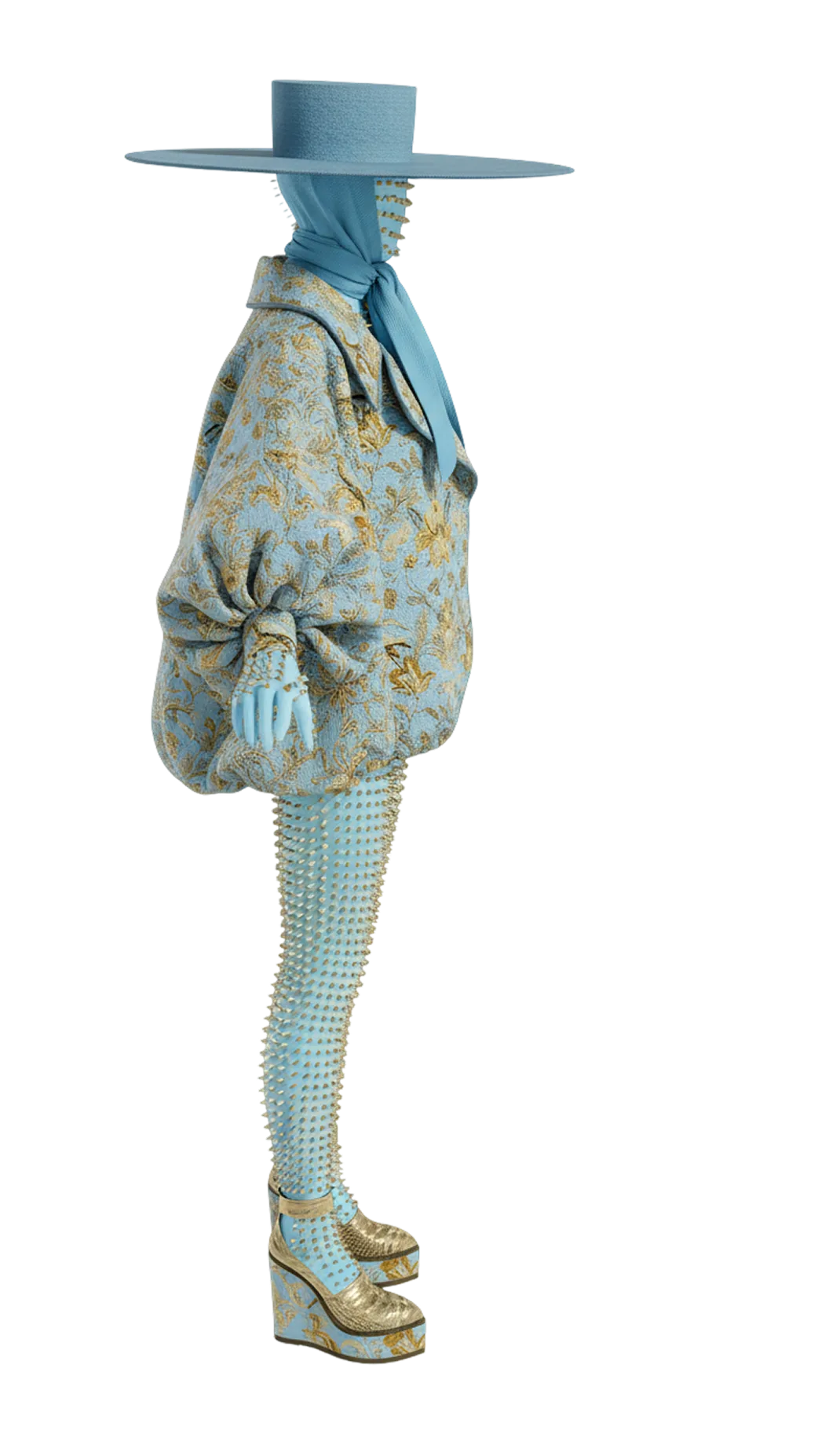
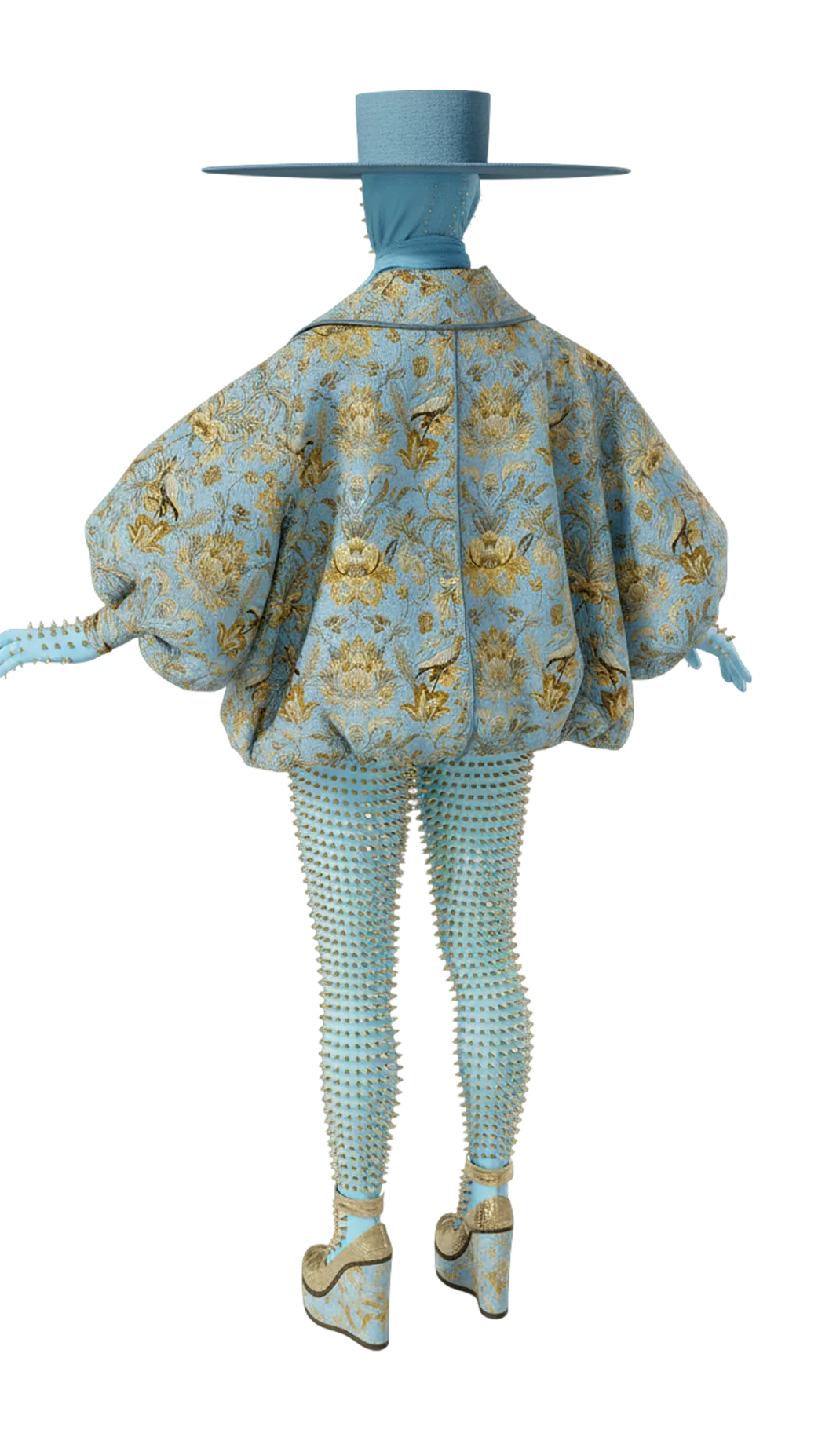
In 2026, the Championship Threads contest invited our community to explore the connection between fashion, cultural identity, and the energy of soccer through designs created in CLO. Participants transformed their interpretations of different countries into original designs that brought together creativity, technical skill, and innovation.
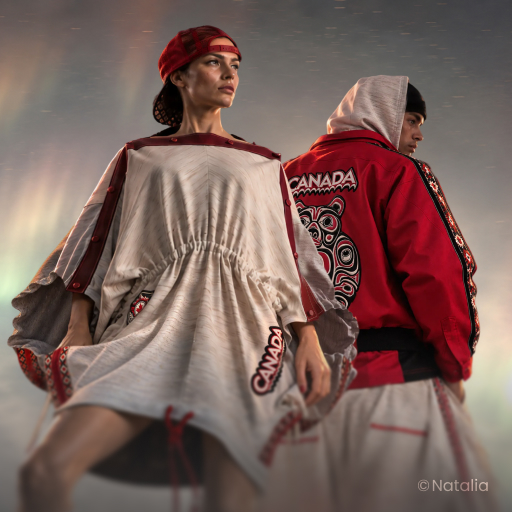
We spoke with the overall winner, Natalia, a Product Developer, Fashion Design graduate, and 3D Artist, to learn more about her self-taught journey with CLO and the creative process behind her winning project. Inspired by Canada’s landscapes, the colors and movement of the Northern Lights, and the spirit of soccer, she created an inclusive, transformable garment that can shift from parachute-style pants into a tunic dress. In this interview, Natalia shares how she brought her idea to life and reflects on experimentation, creative freedom, and the importance of trusting your own vision.
Can you introduce yourself and share a little about your journey as a designer?
My name is Natalia, and I’m a Product Developer with a degree in Fashion Design and a 3D Artist.
I think my journey has always been guided by curiosity, the desire to see what might exist beyond what I already know. Fashion has been part of my life for many years, but about five years ago, I was introduced to CLO, and it opened an entirely new door for me. I already knew how to transform an idea into a physical garment through my traditional fashion education and experience, but 3D fashion gave me something different. The freedom to take that knowledge beyond the limitations of the physical world and explore ideas through imagination.
I had no formal training in CLO. I taught myself, step by step, through experimentation, mistakes, observation, and a lot of persistence. There was something very exciting about discovering this new language on my own. Since then, CLO has become much more than software for me. It has become a creative space where fashion, storytelling, technology, and imagination can come together, a place where I can create pieces that are not only garments, but can become something closer to a work of art.
I’m still learning, still exploring, and perhaps that is what I enjoy most about being a designer: there is always another door to open.
What inspired your winning design for the Championship Threads contest?
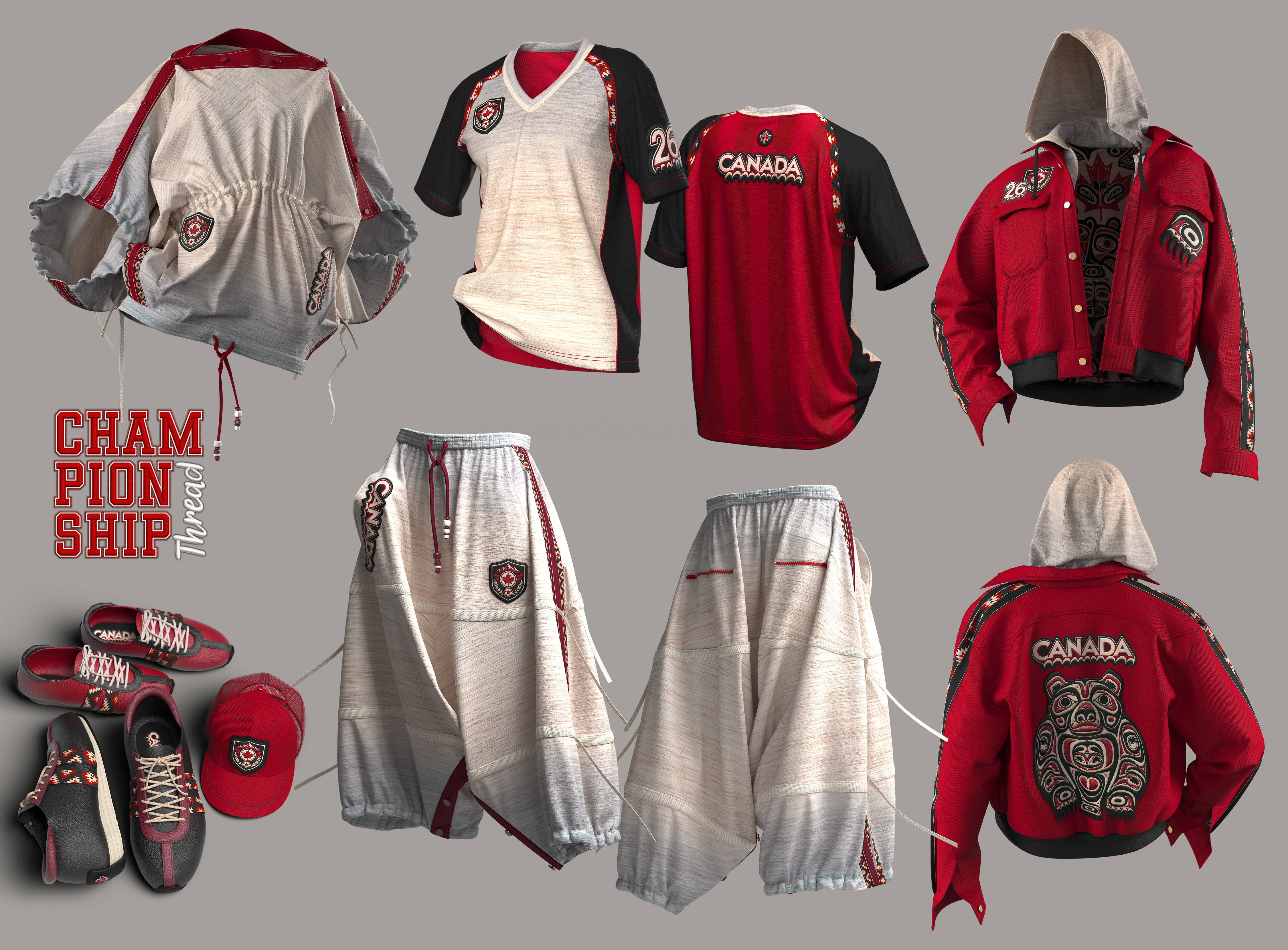
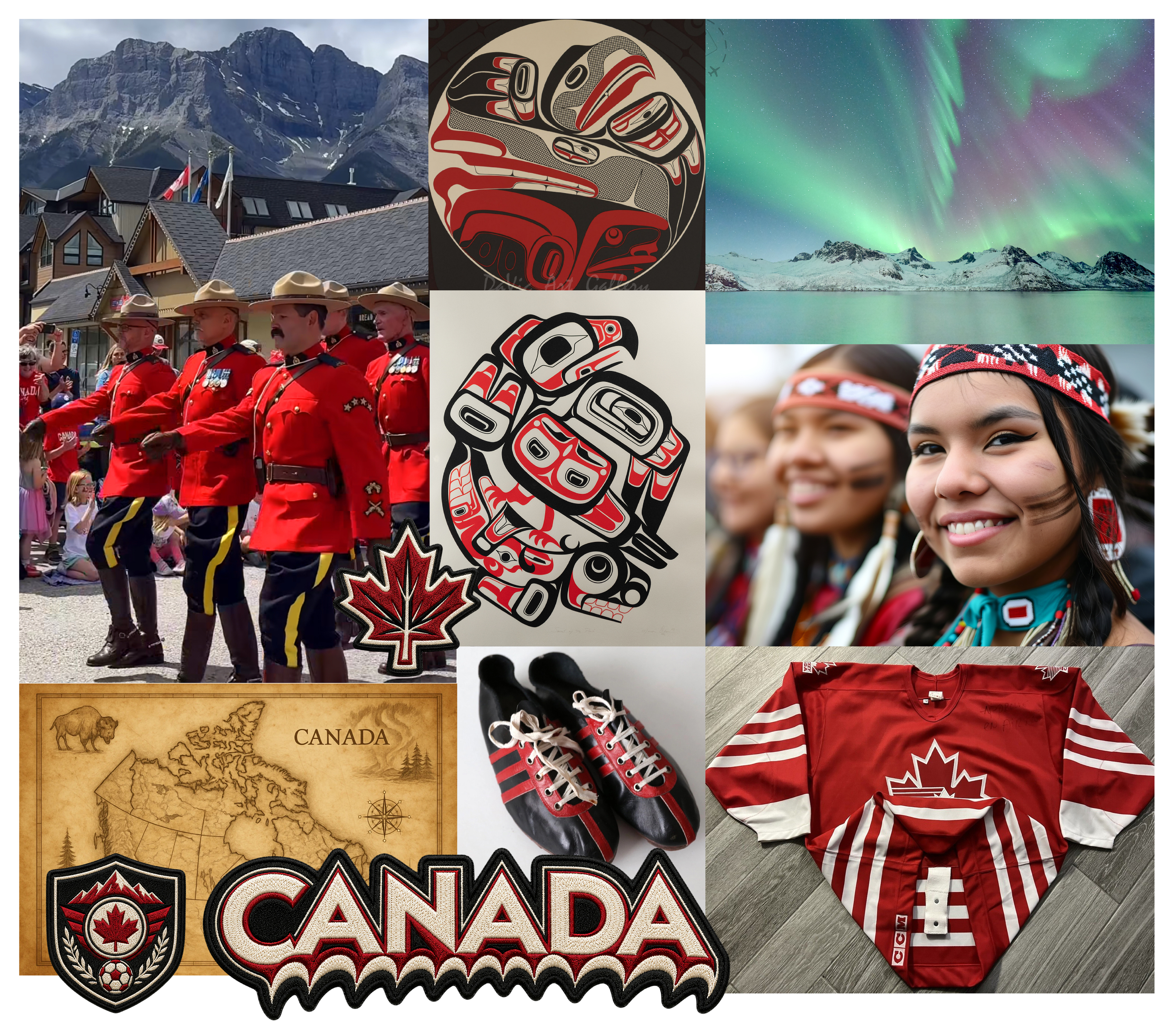
The inspiration began with Canada itself, not just as a Country, but as a feeling. I wanted to create something that felt connected to the Canadian landscape, culture, and identity, while still looking forward. The Northern Lights were one of my strongest visual inspirations to create a fabric. I was drawn to their softness, movement, and unexpected combination of colours, and I wanted to translate that atmosphere into the garments.
I also wanted to bring elements inspired by Indigenous Canadian visual language into the collection, treating them with respect and integrating them into a contemporary design.
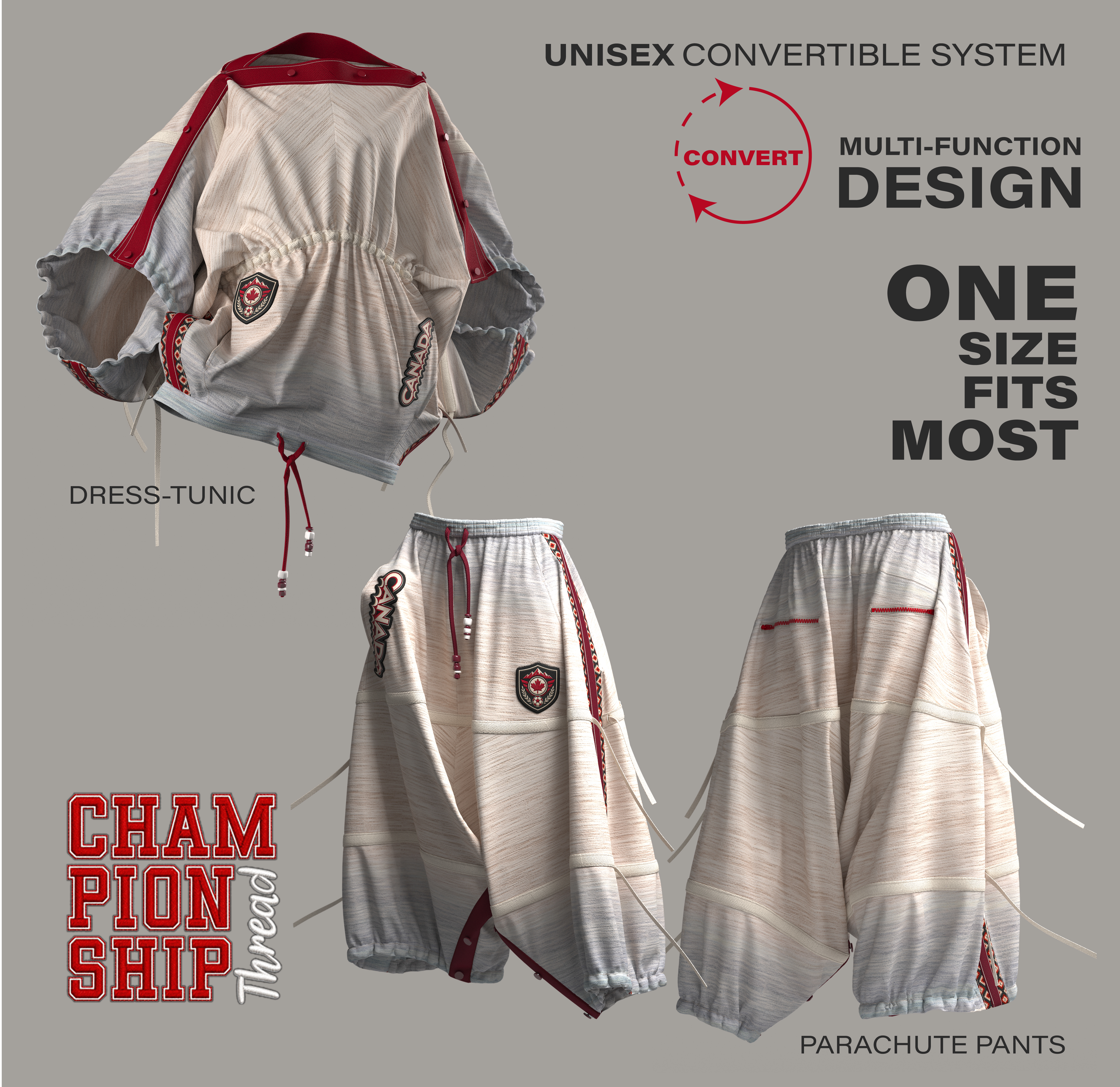
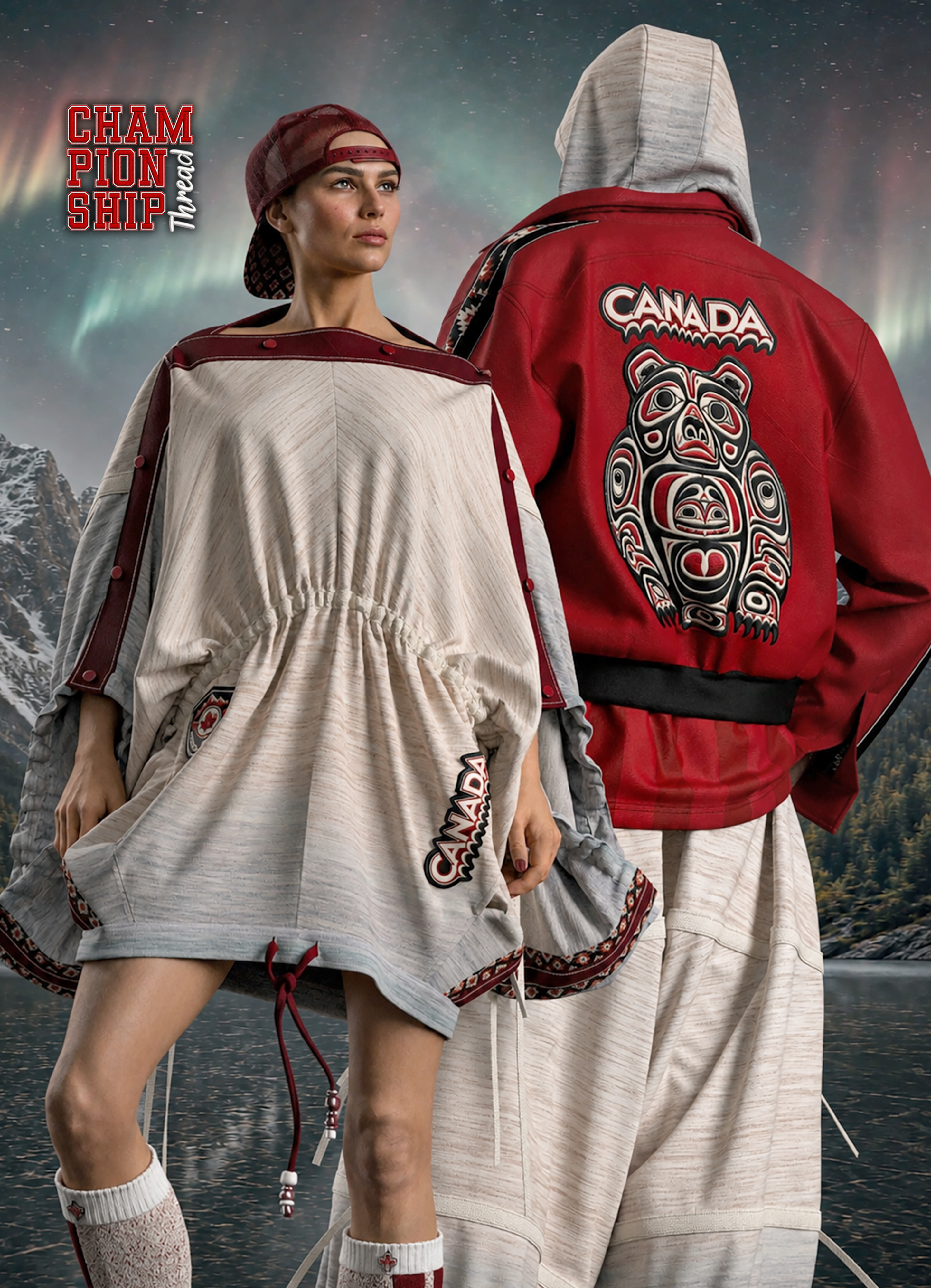
Another very important part of the concept was inclusivity. I wanted the pattern construction and silhouettes to be adaptable, so the garment could fit a wider range of bodies rather than being designed around one specific size. The idea was to create a versatile, “one size fits most” piece that could offer more possibilities to the wearer. The transformation was also a big part of the design. One garment can move from parachute-style pants into a tunic dress, with multiple channels and adjustable elements that allow the wearer to change the proportions and create different silhouettes. I loved the idea that the garment doesn't have only one identity, the wearer can participate in shaping how it looks and how it is worn.
The connection to soccer gave the collection another layer of energy. Soccer is about movement, individuality, teamwork, and bringing people together, and I wanted that spirit to be present in the design.
In the end, I wasn't trying to create a traditional representation of Canada. I wanted to imagine what Canadian identity could look like through my own eyes, something rooted in where we come from, but open to imagination, movement, inclusivity, and the future.
What story or concept did you want to communicate through it?
I wanted the design to communicate a sense of freedom. Freedom of movement, freedom of expression, and freedom to become something different. The idea of transformation was very important to me. I was interested in creating a garment that doesn't have one predetermined identity, but can change together with the person wearing it.
Through adjustable channels and different ways of manipulating the garment, it can move from parachute pants into a tunic dress and create different silhouettes. That became a metaphor for identity itself. We are not always the same; we change, adapt, and express different sides of ourselves. I wanted the wearer to have a role in defining the final look rather than simply receiving a fixed design.
Inclusivity was another important part of the concept. By creating an adaptable construction and silhouette, I wanted the garment to be able to accommodate a wider range of bodies and give more people the opportunity to experience the design.
Ultimately, I wanted the piece to feel alive, something that could be transformed, interpreted, and made personal by the person wearing it.
How did you interpret the contest theme and transform your initial idea into the final design?
For me, this theme was an invitation to think about what represents Canada beyond the obvious. I didn't want to create a traditional soccer uniform or simply place Canadian symbols on a garment. I wanted to interpret Canadian identity through fashion in a way that felt contemporary, personal, and connected to my own creative language.
What was the first element you developed, and how did the design evolve throughout the creative process?
My starting point was movement. Soccer is a sport built around movement, and I wanted that sense of movement and energy to become part of the garment itself. This led me toward an experimental construction with adjustable channels and a silhouette that could transform with the wearer. What began as a parachute inspired idea eventually developed into a garment that could transform from pants into a tunic dress and create different silhouettes.
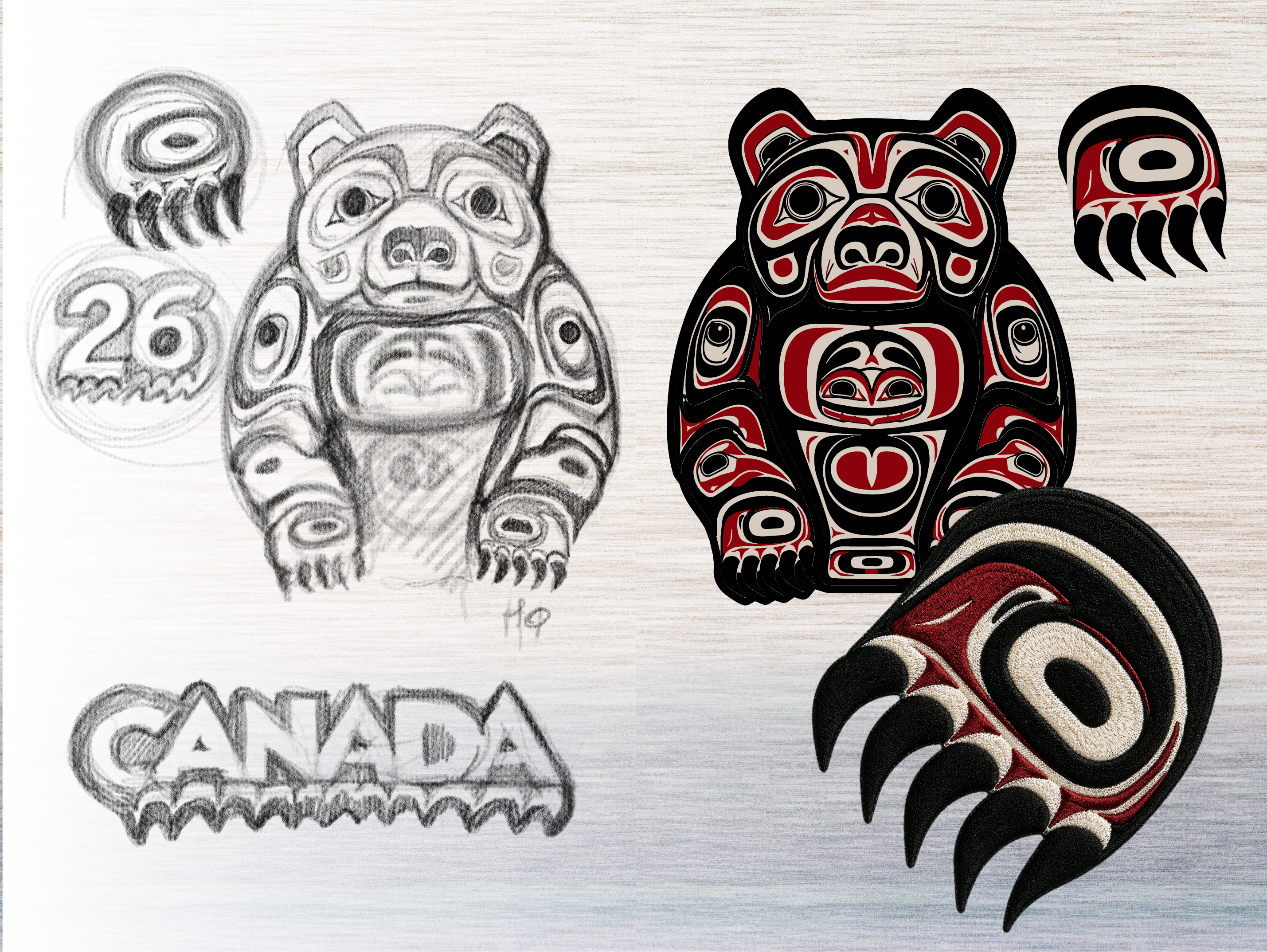
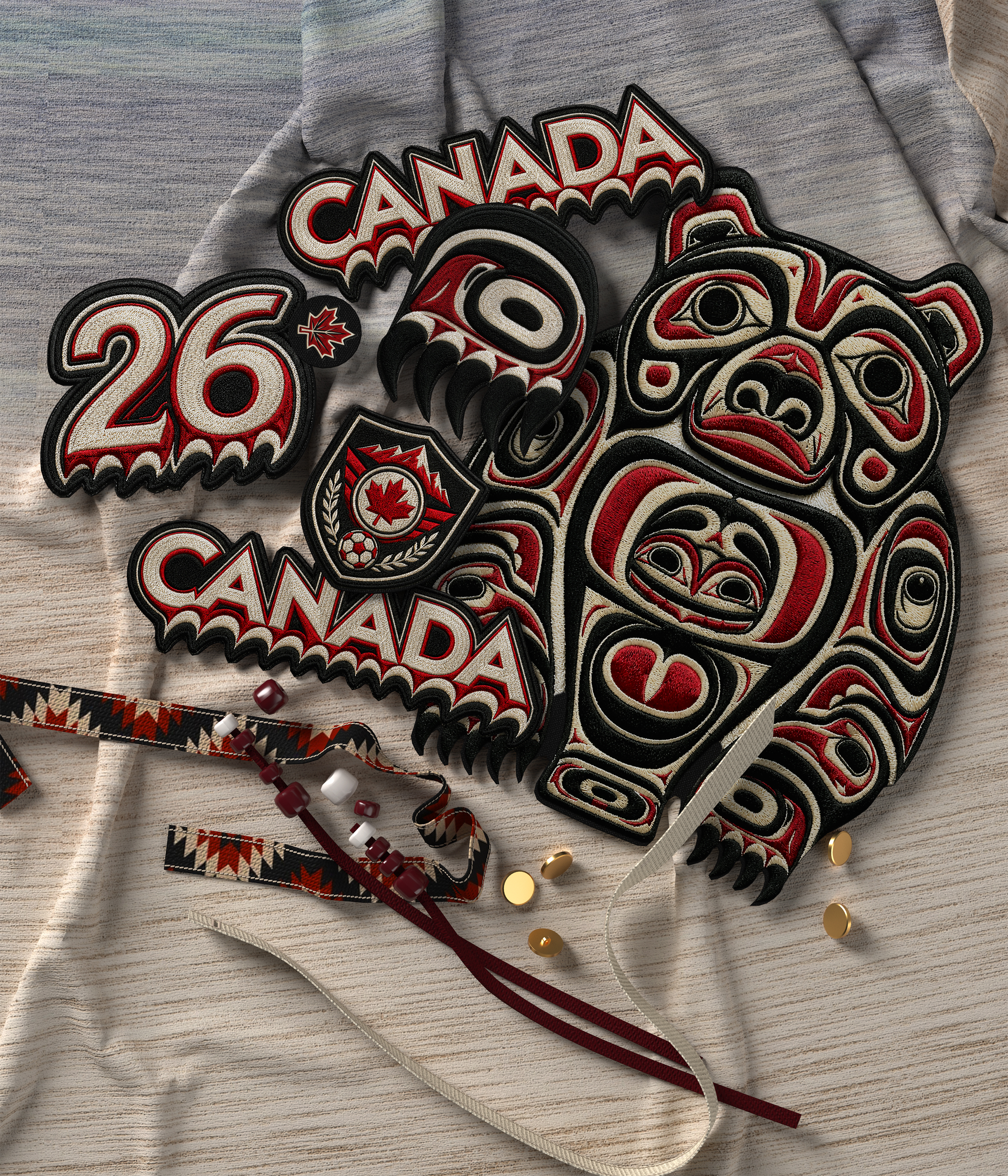
At the same time, I began developing the visual identity of the piece. I wanted the details to feel personal rather than generic, so I started with hand drawings of the bear and bear paw elements first. I then developed those sketches into digital illustrations and transformed them into embroidery like embellishments in the final 3D design. The bear, bear paw, the number 26, and CANADA became part of the visual story, connecting the garment to Canada while also showing my own creative process from hand drawing to digital fashion.
Did you face any creative or technical challenges while developing the project? How did you overcome them?
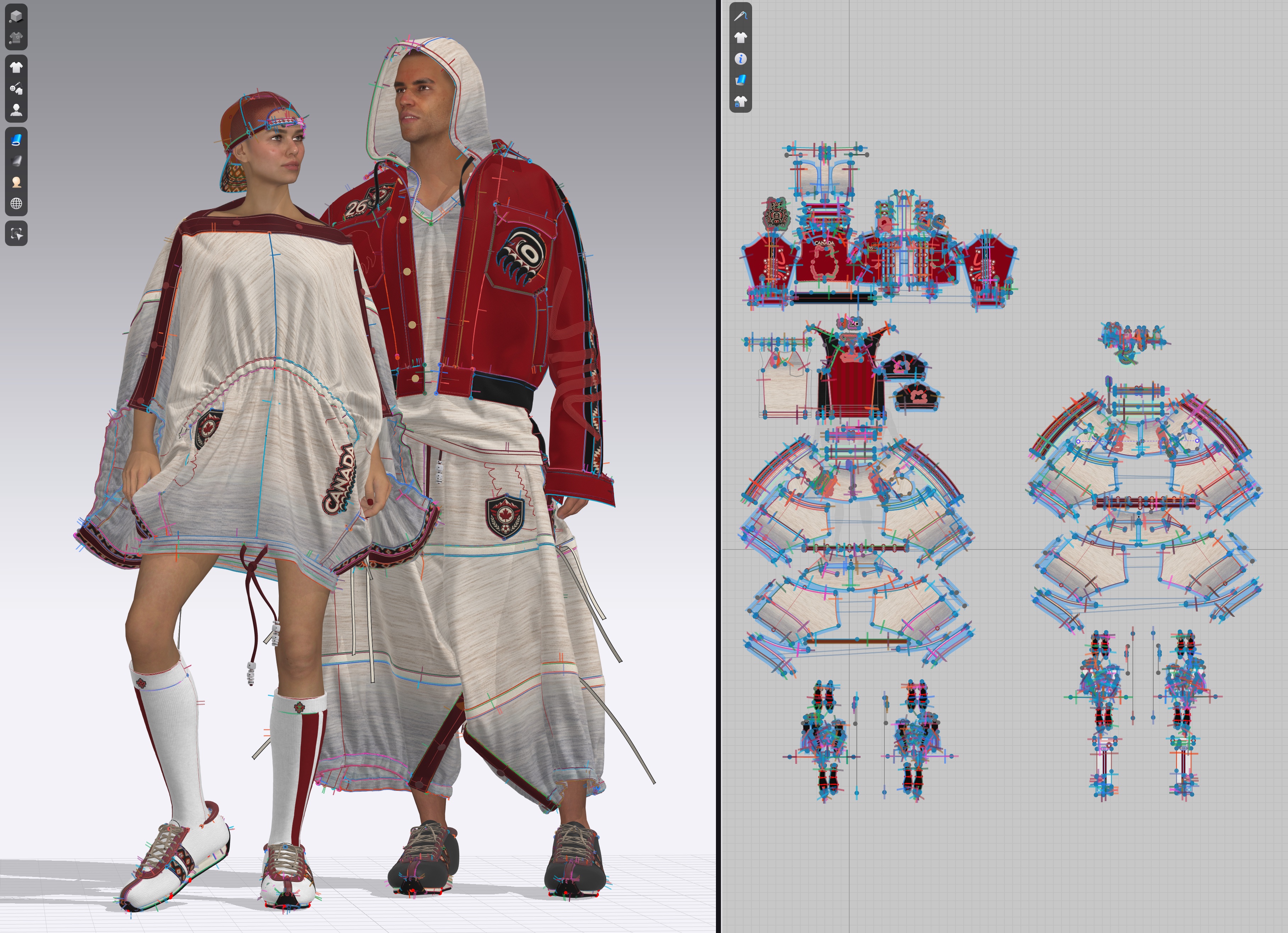
One of the biggest challenges was balancing creativity with construction. I wanted the garment to transform between different silhouettes while still looking intentional and functional, so the pattern and adjustable channels required a lot of experimentation.
Another challenge was to translate my drawings into embroidery that look realistic. I experimented with the digital process until the embellishments felt authentic to the original drawings.
Being self-taught in CLO, I’ve learned to overcome challenges through experimentation, trying different approaches, learning from what doesn’t work, and continuously refining the result. For me, that process is also part of the creative journey.
Was there a moment when CLO allowed you to explore or create something that would have been difficult—or even impossible—to achieve physically?
Absolutely. The transforming silhouette was one of those moments.
In CLO, I could experiment freely with a garment changing from parachute pants into a tunic dress and explore multiple silhouettes without having to physically construct and reconstruct the garment each time.
That freedom allowed me to push the idea much further than I might have been able to physically. I could see the transformation immediately, adjust it, and keep exploring until the garment felt right.
For me, that is one of the most exciting things about 3D fashion, it gives imagination much more room to experiment.
Which CLO tools or features were the most important in bringing your vision to life?
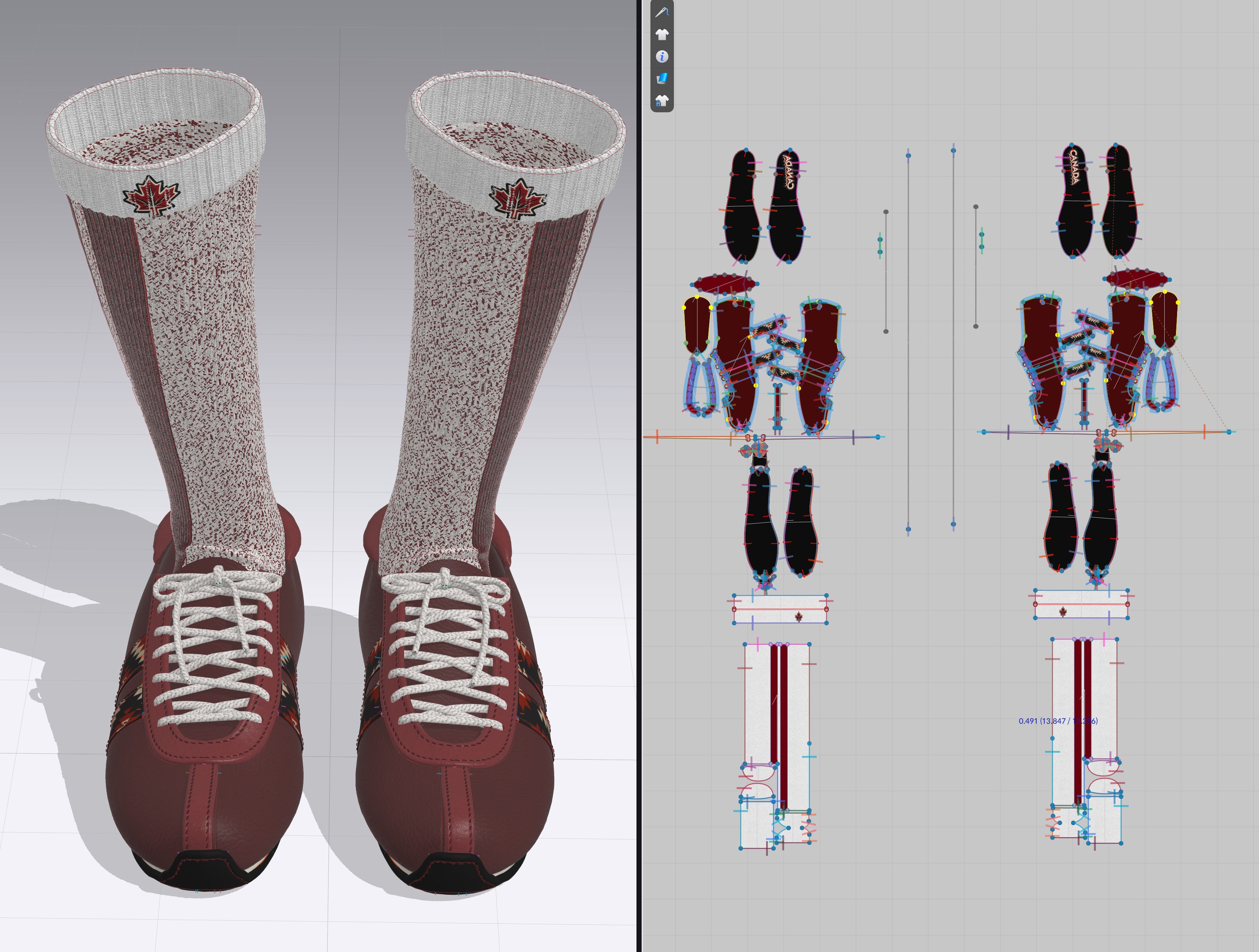
The pattern-making and simulation tools were the most important for developing and testing the transforming silhouettes and seeing how the garment behaved in 3D.
For me, the most valuable part is how CLO brings the pattern, construction, materials, and final visualization together in one creative process.
Which part of the final design are you most proud of, either creatively or technically, and why?
I’m most proud of the transforming garment and the pattern construction behind it. I love that one piece can become both parachute pants and a tunic dress, with adjustable channels creating different silhouettes.
For me, it represents what I wanted the whole project to be about, creativity, functionality, inclusivity, and the freedom for the wearer to make the garment their own.
I’m also proud that I was able to take my hand drawings and transform them into the embroidered details, making the final piece feel very personal to me.
How did using CLO influence your creative decisions or change the way you approached the design?
Using CLO changed the way I think about fashion. It gave me the freedom to experiment with ideas that I might not have considered when designing only for the physical world.
Instead of thinking only about how a garment is traditionally constructed, I began thinking more about transformation, movement, proportion, and how many possibilities a single piece could offer.
CLO also encouraged me to be more fearless in my creativity. I could try an idea, see it immediately in 3D, change it, and keep exploring. That freedom made my design process much more experimental and imaginative.
What advice would you give to designers who are hesitant to start working in 3D or participate in contests like this one?
My advice would be: DO NOT be afraid to start before you feel ready.
I’m self-taught in CLO, and I learned by experimenting, making mistakes, and simply not giving up. You don’t need to know everything before creating your first project.
And don’t be afraid of contests. Enter with the goal of exploring your creativity, not only winning. A contest can push you to try something you might never have attempted otherwise. Most importantly, trust your own vision. 3D is another creative language, and there is no single right way to use it.
What’s next for you? Are there any upcoming projects or ideas you’re particularly excited about?
I’m excited to continue exploring the possibilities of 3D fashion and pushing myself creatively.
I’m currently interested in developing more experimental and transformative garments, especially where fashion, technology, and art can come together. I also want to continue learning new tools and techniques and finding ways to bring my traditional fashion background into the digital world.