


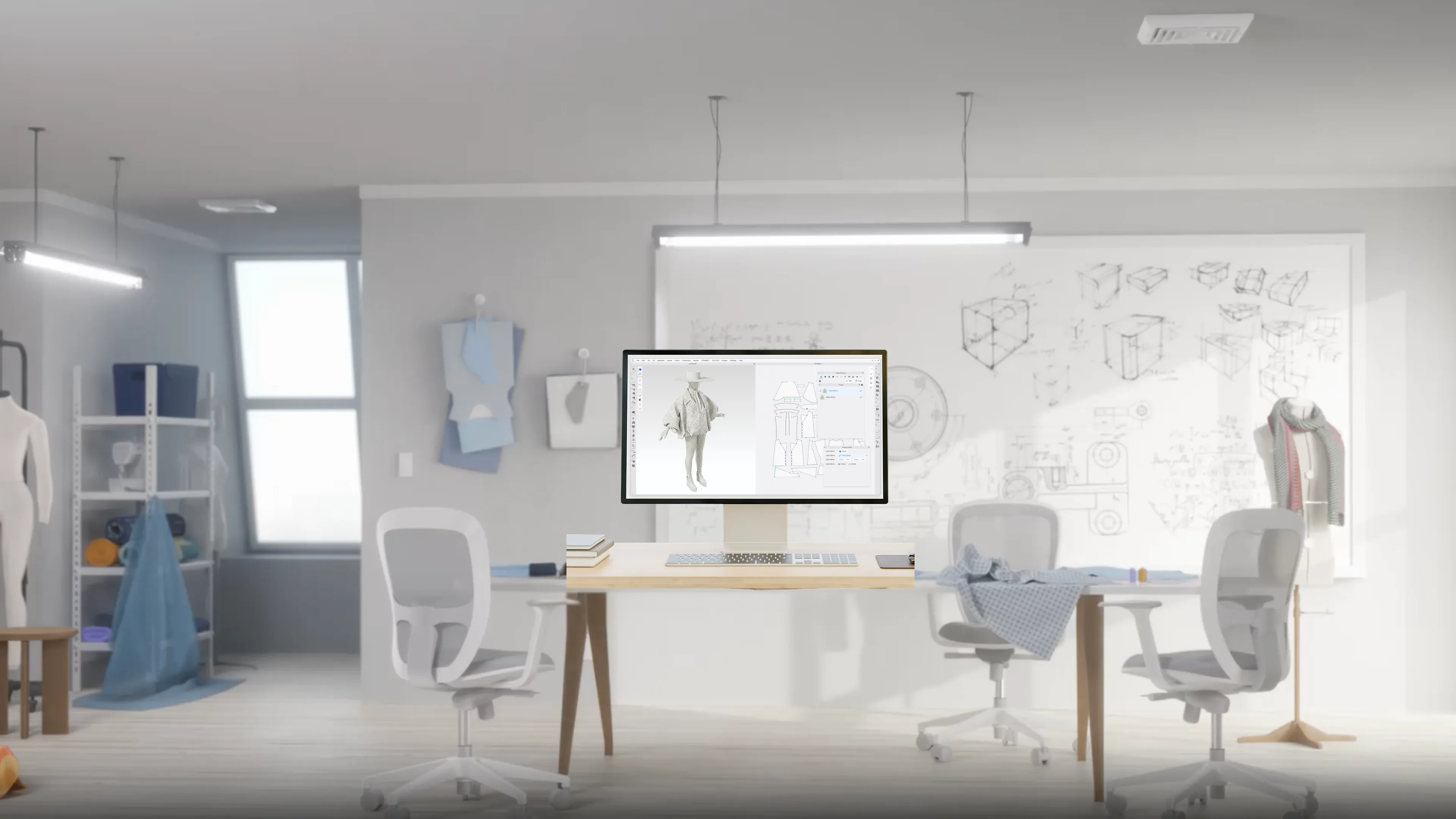
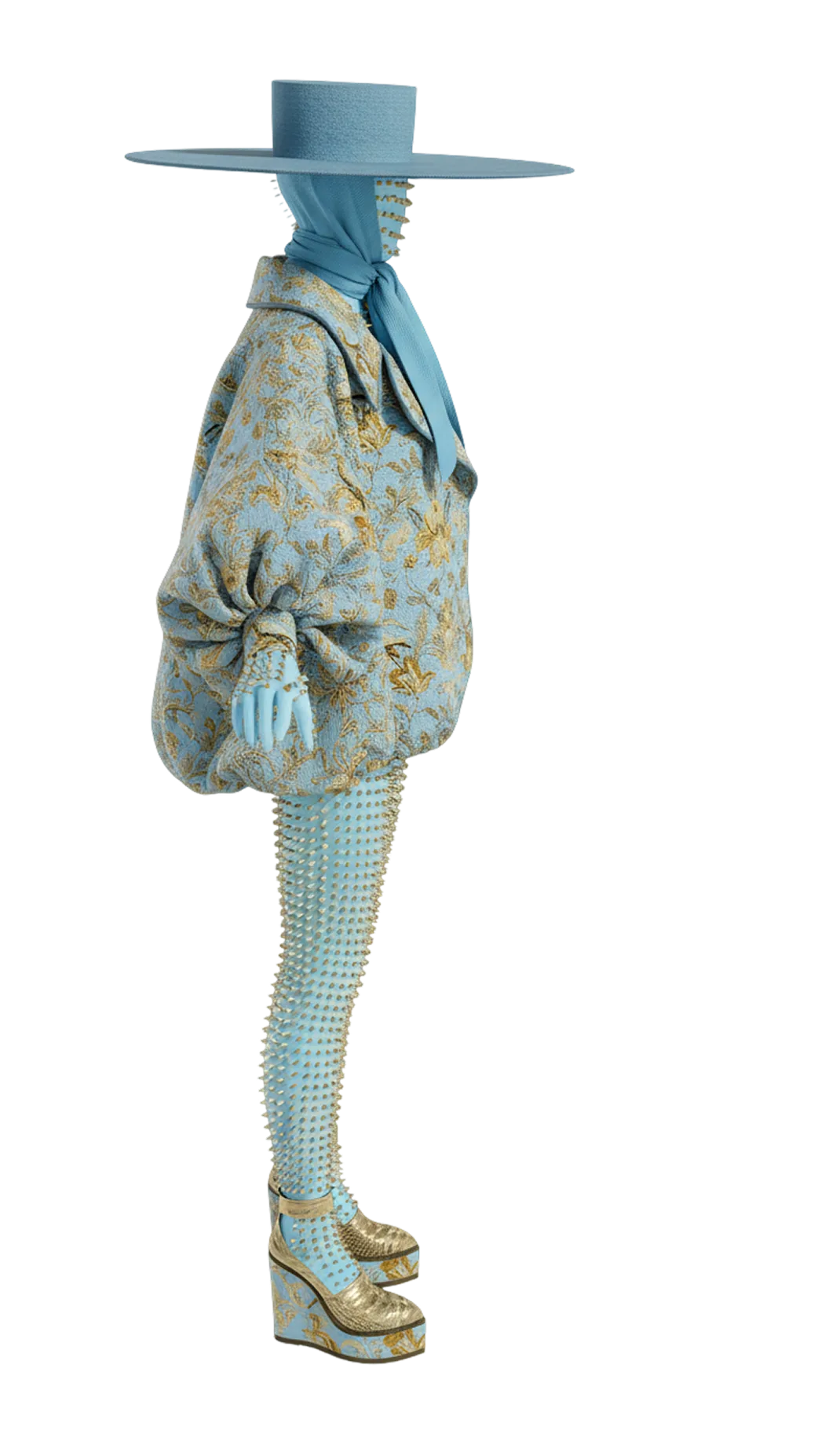
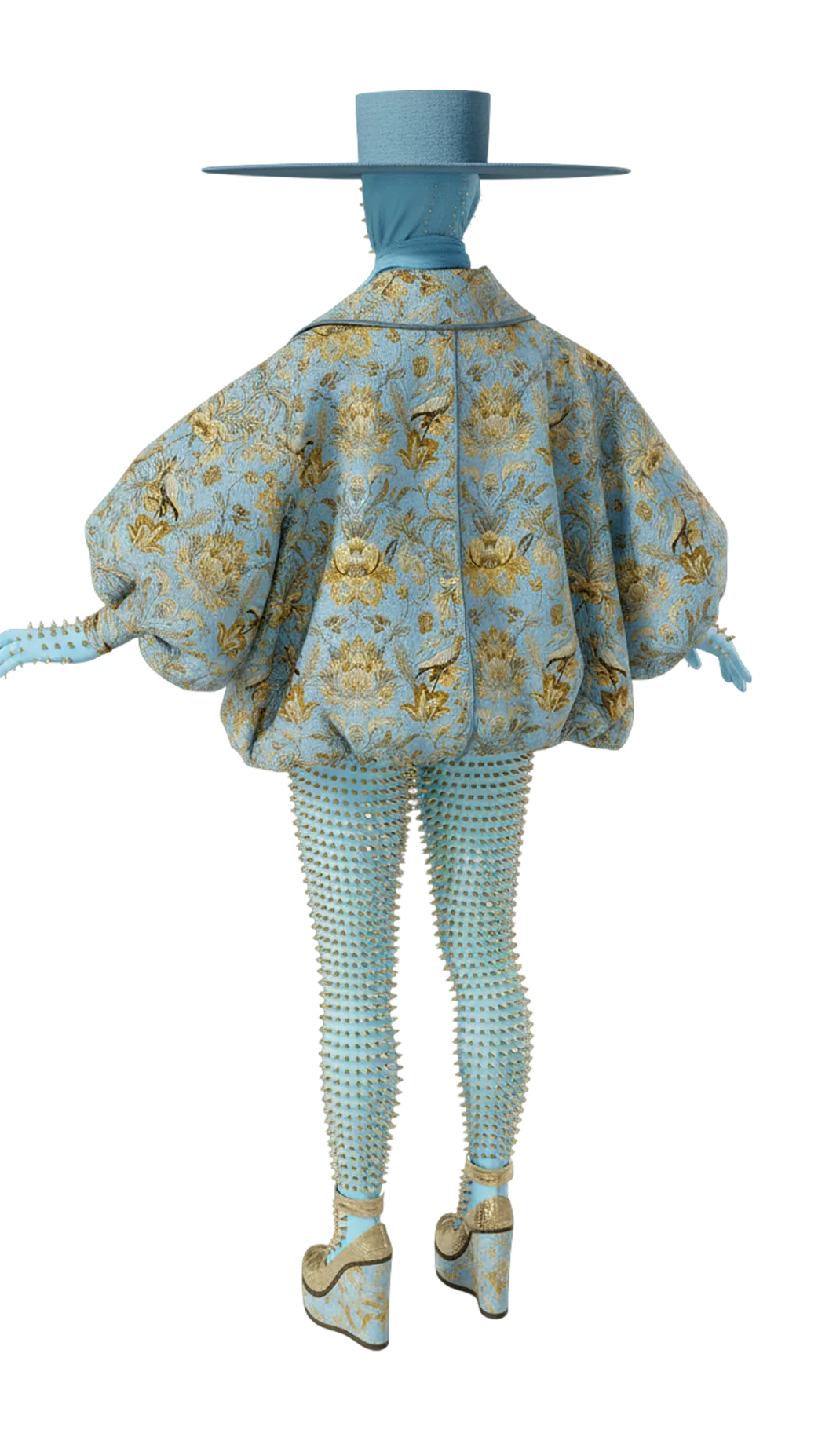
Meet Wilhelm Grehl, the 3D designer who skips the sketchbook entirely to engineer fashion directly in CLO. In this User Spotlight, he reveals his unique workflow of treating digital fabric like "engineering material" to achieve his signature technical aesthetic. Discover how he turns a blank 3D window into production-ready streetwear without drawing a single line.
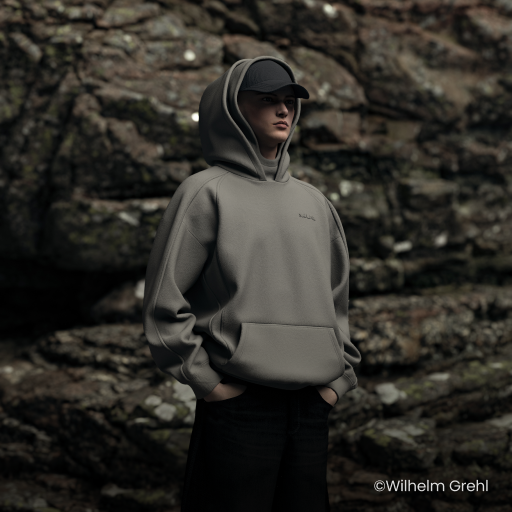
Can you please introduce yourself and tell us a bit about your background and current work as a designer?
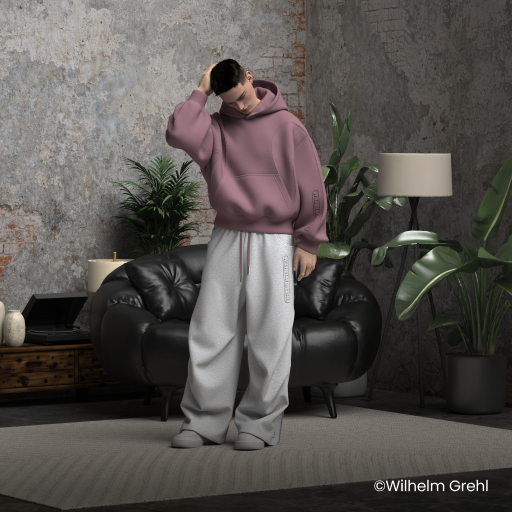
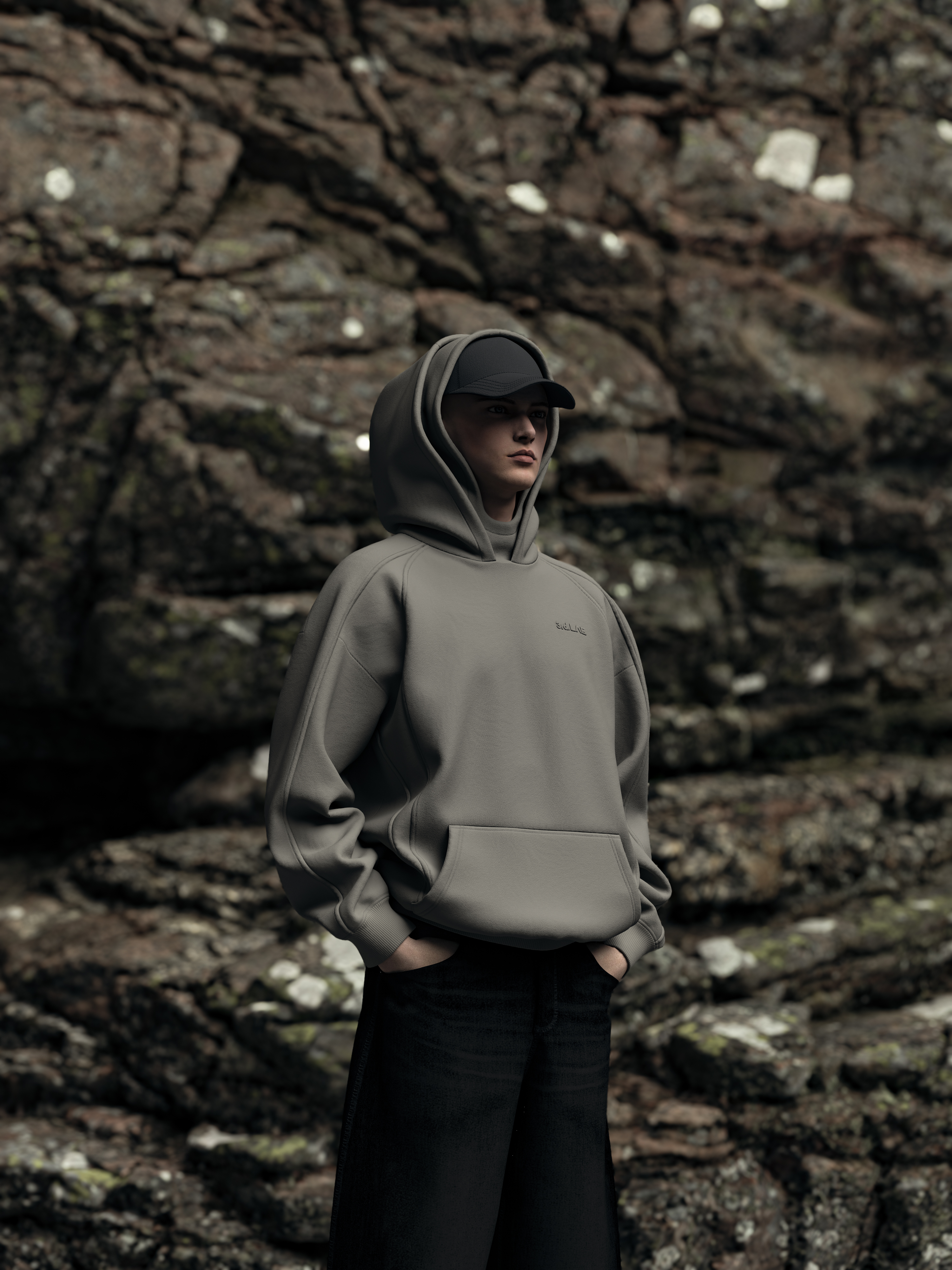
I’m Wilhelm Grehl, a 3D fashion designer from Germany working mainly with CLO. I create 3D oversized streetwear designs for brands and I help them develop their ideas in 3D, bridging digital fashion designs with real industry workflows — making 3D not just a visual tool, but a full production system.
How did you get started in 3D fashion, and what role does CLO currently play in your creative workflow?
After studying fashion design I didn’t want to become a traditional fashion designer and I was also not good with drawing so I was looking for a way to make designs in a different way. I also wanted to travel the world and when I discovered CLO it was the right fit for me. In the beginning I created more experimental and artsy designs and renders but found my way into the freelance world and creating designs that are ready to be produced by brands.
CLO is everything in my creative workflow, I start with an idea in my head and jump right into CLO to create it. No sketching or mood board.
For beginners who face "blank canvas syndrome," do you have a favorite starting method?
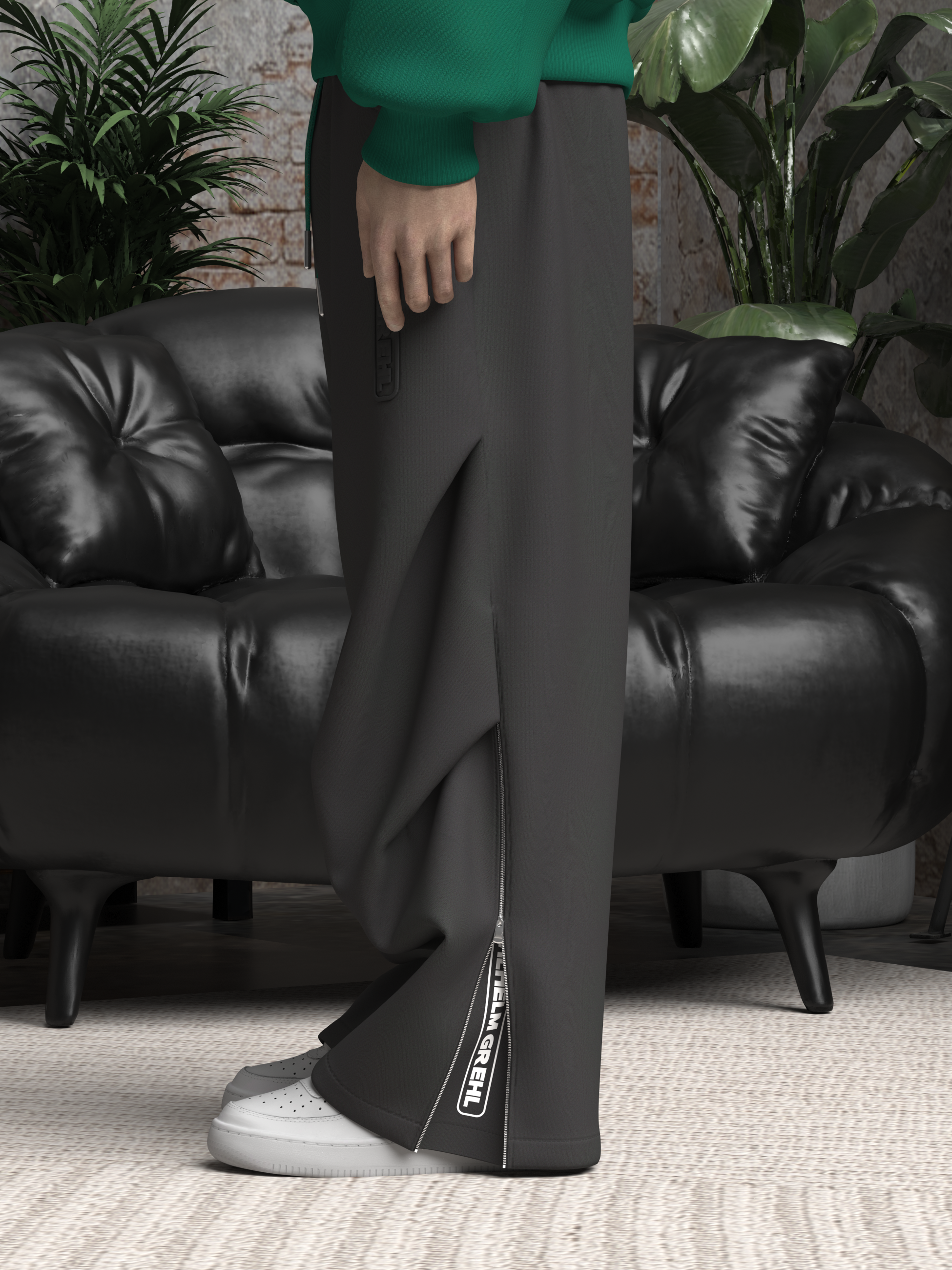
I always start with a block that comes closest to the garment I want to create and then go from there. I never start from scratch. Over the years I built a library of garments which I can use for my daily work.
Your recent work shows a shift from heavy hardware to a more 'articulated' aesthetic where the pattern itself defines the silhouette. When you begin a project, do you prioritize the 2D pattern's structural logic or the 3D drape's visual impact to achieve this technical look?
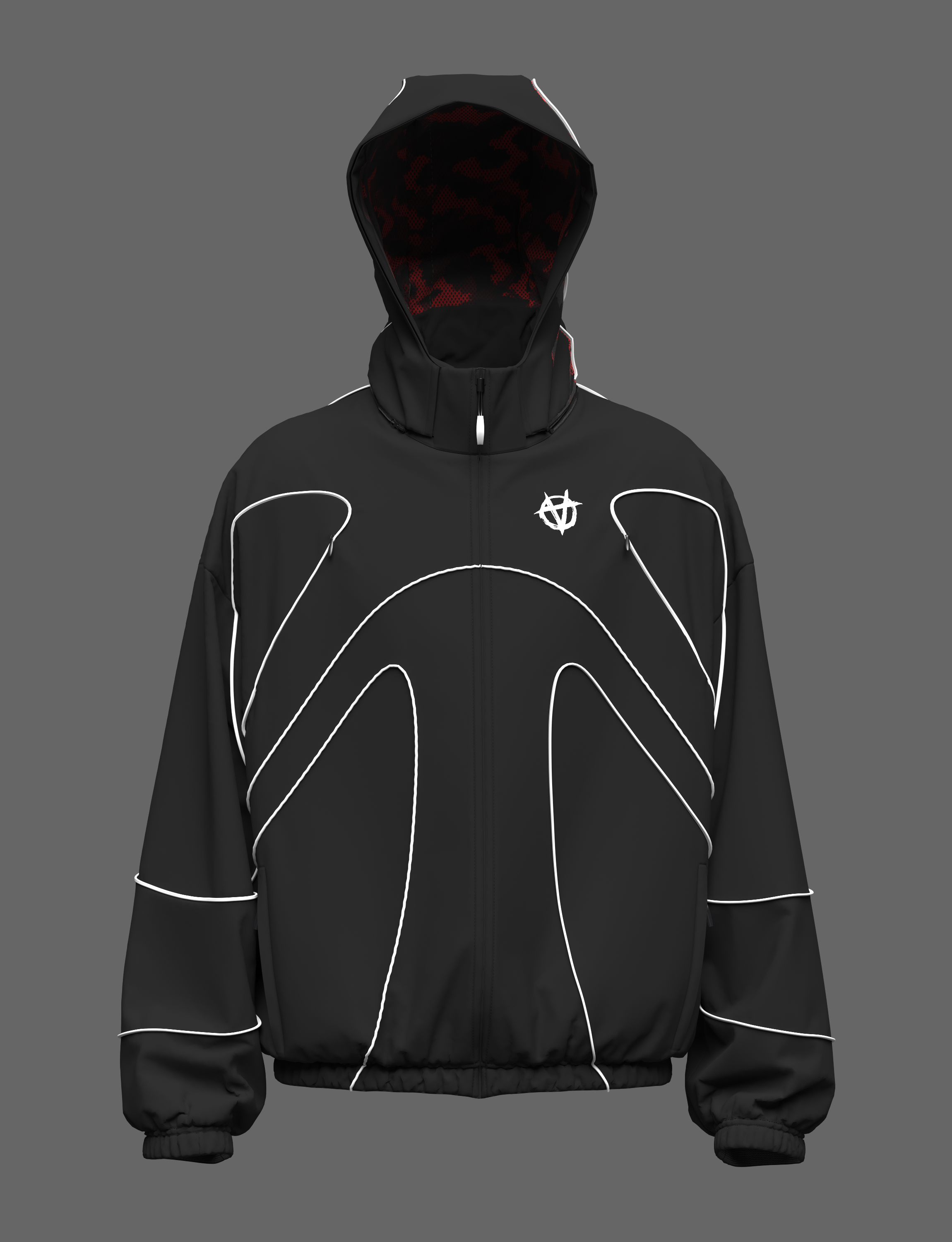
I always create the base first, which means the overall shape has to look good, and then I put in the actual design with all the details like cuts, piping, stitching etc.
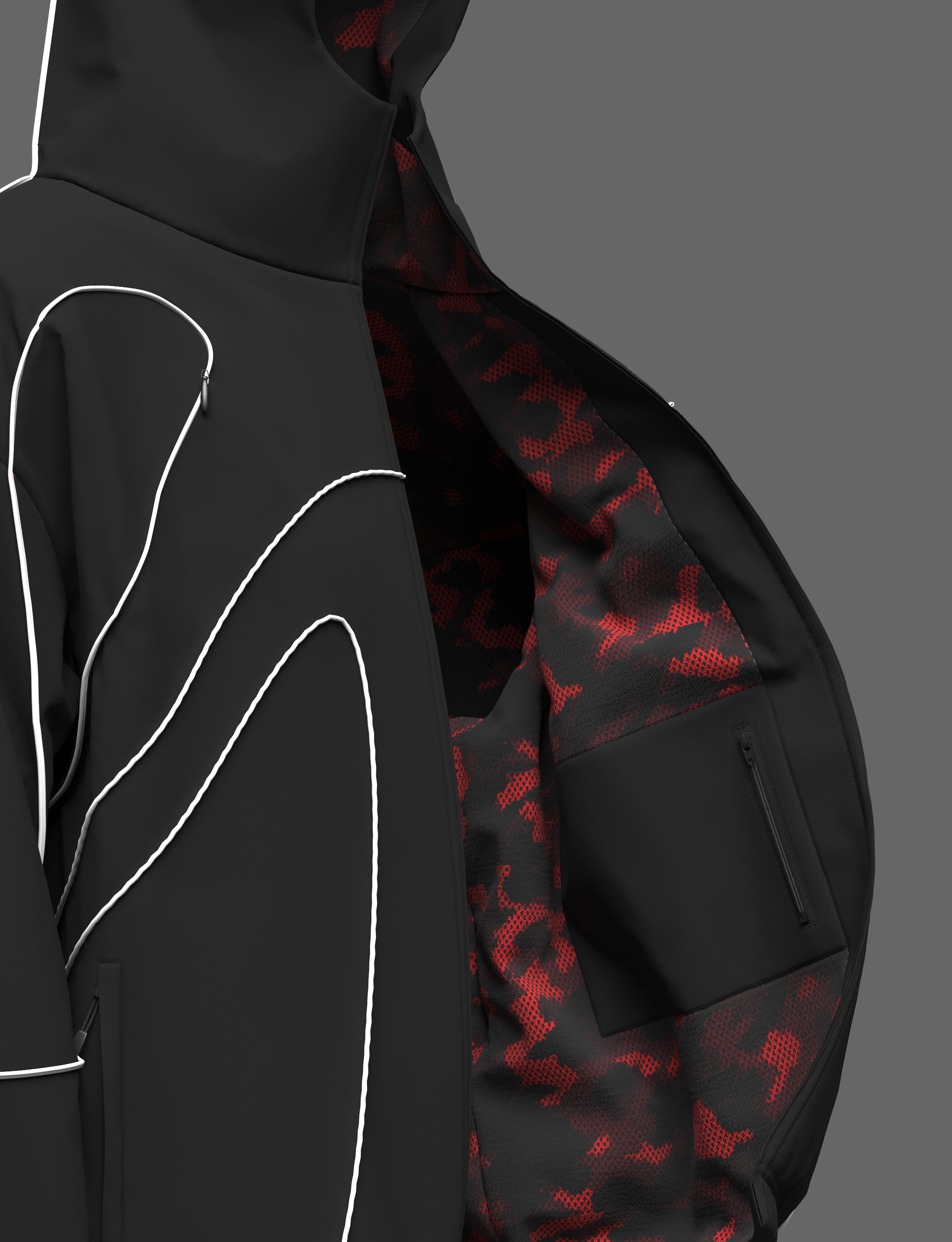
Technical wear often draws inspiration from non-fashion elements like architecture or industrial design. When translating these inspirations into CLO, how do you handle the 'materiality'? For instance, how do you simulate the tension and stiffness of technical fabrics to match your vision?
For materiality, I spend a lot of time dialing in fabric properties instead of relying on defaults. I adjust stiffness, stretch, thickness, and pressure to simulate tension and structure — especially for technical or industrial-inspired pieces. I treat fabrics almost like engineering materials, not just textures.
Is there one specific setting in the Property Editor (e.g., Shear, Bending, or Thickness) that you think is the "secret ingredient" for that stiff, technical look?
That stiff, technical look comes from a combination — keep the stretch and shear values low and the bending values high. A proper thickness supports that.
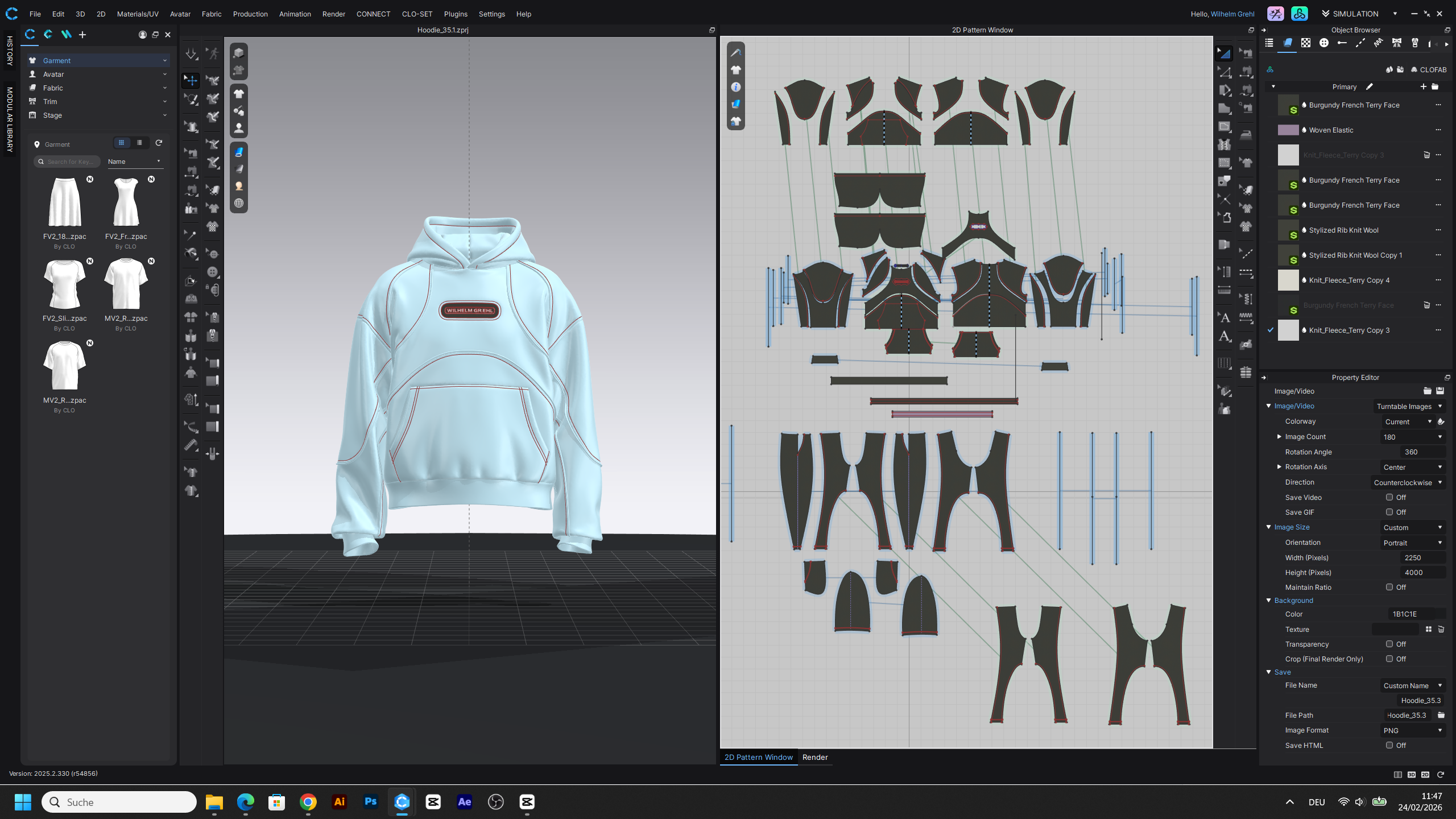
To achieve the 'refined realism' seen in your latest portfolio—such as clean bonding lines and complex layer stacks—which specific CLO tools or 'hidden' workflows (e.g., modular configurations, custom trims) have become most indispensable for your quality control?
For refined realism, the key tools for me are layer cloning, precise seam control, custom trims, and very organized pattern setups. I also rely heavily on modular workflows — building pieces in clean systems so I can control complexity without breaking realism. Clean bonding lines and stacking only work if everything underneath is technically solid.
You are actively selling your assets on CONNECT. Creating a product for others to use must be different from creating personal art. What is your top priority when creating assets for sale?
When I create assets for others, usability comes first. I create a lot of base shapes so they can be used in CLO projects. The asset has to be easy to modify and immediately usable — not just look good in a render.

How does it feel to see your assets being used in other creators' works? Do you have any memorable moments related to this?
I know that people are using my assets, even if I don’t see the final results. That is completely fine, because my goal is to provide a starting point for creators to build their own designs.
You mentioned the "location-independent" lifestyle. What is the one reality check or challenge of this lifestyle that aspiring freelancers should know?
For me there wasn't a big challenge, of course it's good if you have a steady income so you don't get into any trouble and you have to tell yourself that it's not a vacation, even though you might live next to a beautiful beach.
And you have to stay consistent. When you’re moving between countries, routines break easily — work hours shift, internet quality varies, energy levels change, and it’s on you to still deliver at a professional level no matter where you are.
The upside is real freedom. But the trade-off is that you have to build systems, habits, and financial buffers first.
It still was the best decision for me and a dream come true. I can travel the world and work my dream job every day.
What are your future goals as a designer and a seller? Are there any new collections or projects you are currently working on?
The current project I’m working on is a program to help 3D fashion designers build freelance income like me so they can work with their dream clients and be location independent. Besides that I’m always designing new pieces and working on client projects. That's my daily work.