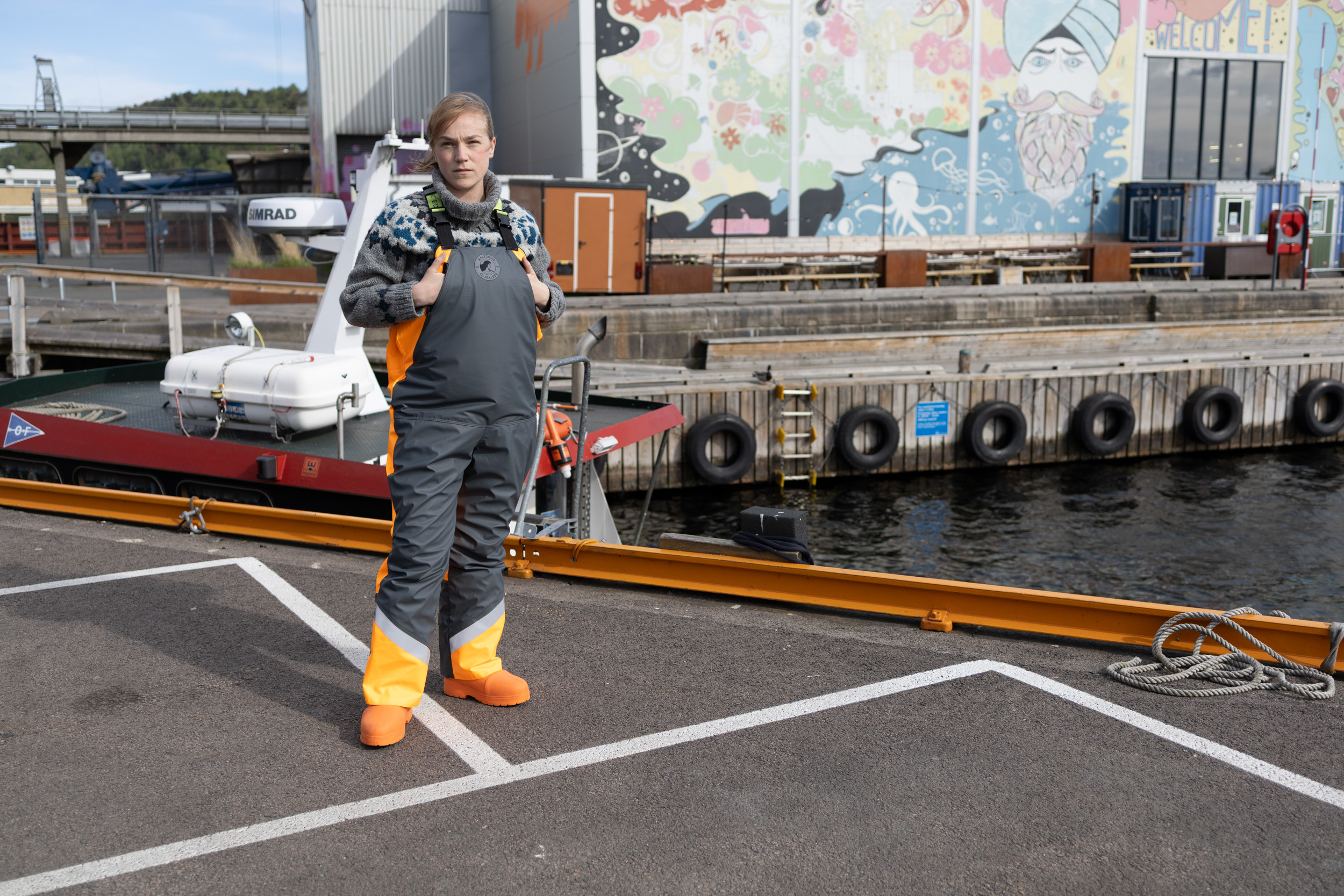


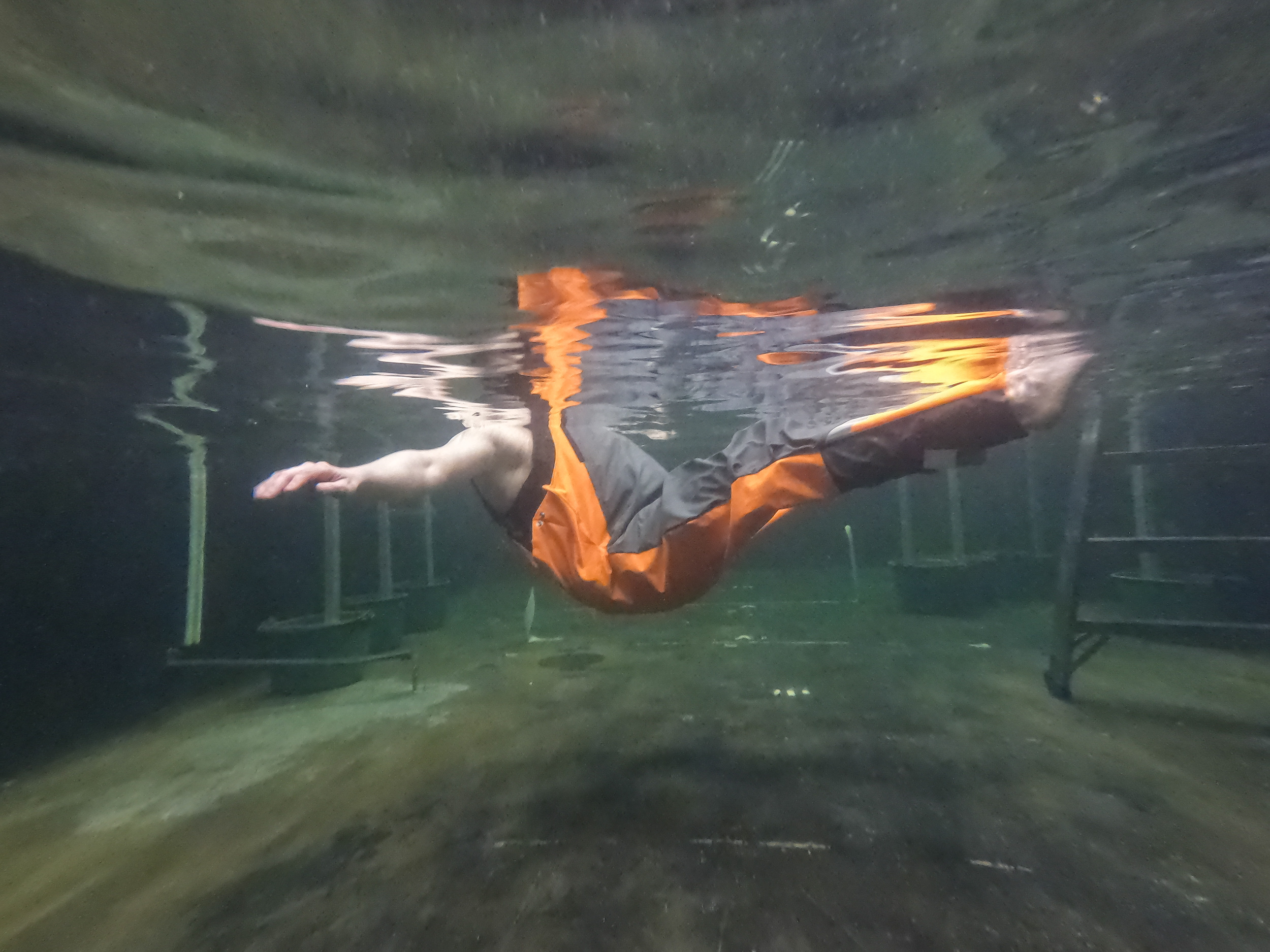
Frida Tørring-Decap, a recent graduate of the Masters in Industrial Design at the Oslo School of Architecture and Design, was one of the participants selected for the CLO Incubation Program 2024/2025. With no formal background in fashion, Frida used CLO as a key tool in developing her thesis project: flotation trousers designed specifically for female fishers.
Can you tell us a bit about yourself and how you got into fashion design?
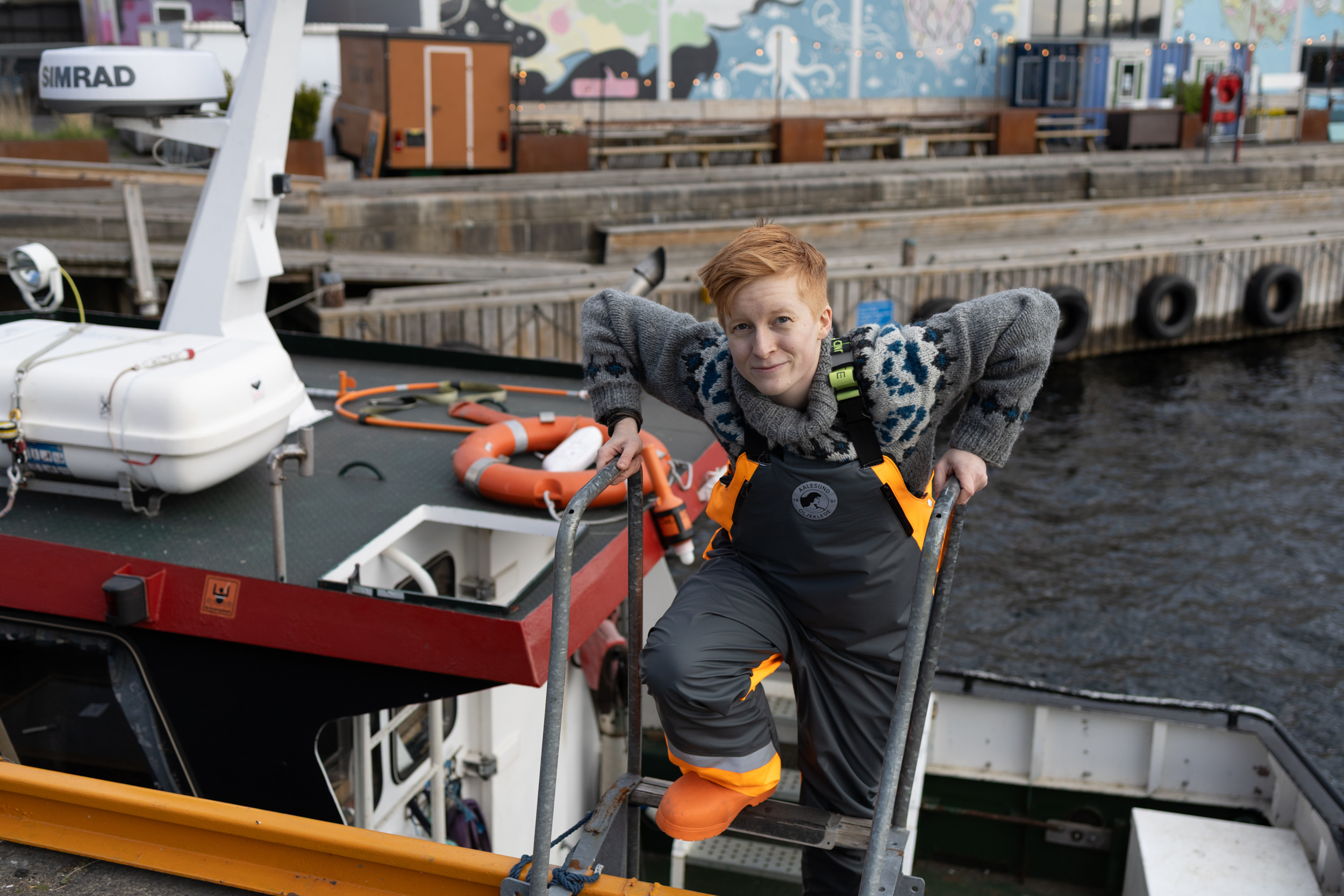
My name is Frida Tørring-Decap. I just graduated from the Master's in Industrial Design at the Oslo School of Architecture and Design (AHO) in Norway. Before that, I studied Marketing Management and worked in that field for a couple of years before switching to design. I do not have a direct link to fashion, except for a sister-in-law who studied it. But I did a summer internship with a local clothing brand and have always been into cosplay, which later led me to make replica space suits.
You were selected for the CLO Incubation Program 2024/2025. How did you hear about it?
I found the program on CLO's Instagram. A PhD fellow at my school had introduced me to CLO, but I had not had the chance to explore it. Since I was considering soft goods for my thesis, I thought it was the perfect time to dive in.
Did you have any experience with CLO before the program? If so, how did it go?
I had tried it once in an intro session at school, but the learning curve felt steep, so I did not continue at the time.
What part of the program surprised you the most, and did it change how you see digital fashion tools like CLO?
The CLO course was incredibly helpful. It gave a deep overview of the software, not just the basics. The Q&A session with a CLO expert was also very valuable and helped me get into more advanced techniques.
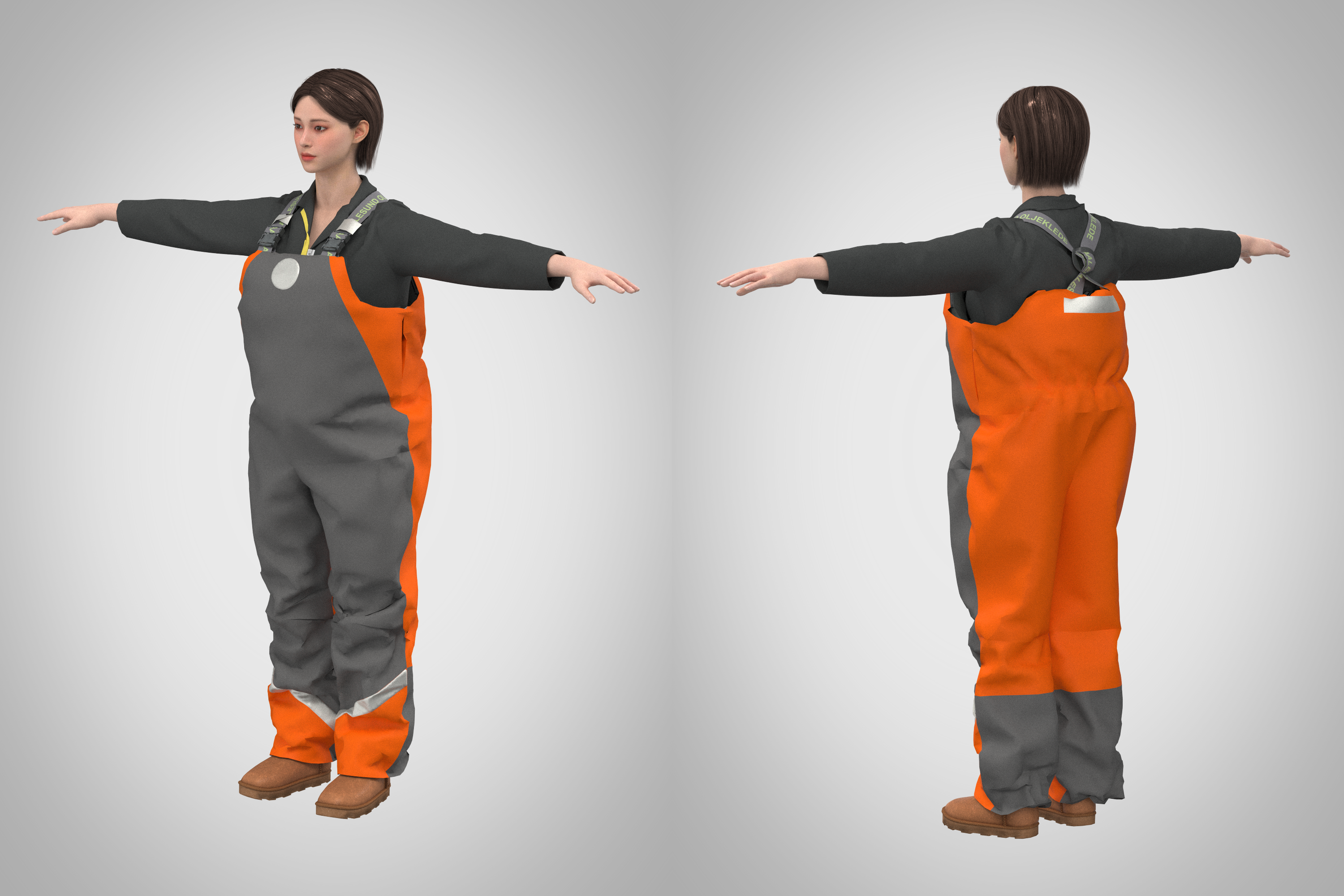
THESIS PROJECT: FLOTATION TROUSERS FOR FEMALE FISHERS
Female fishers are an unusual focus—what inspired you to design flotation trousers for them?
It was suggested by my supervisor, Hilde Angelfoss. She was working on a collaboration with Aalesund Protective Wear and a group of undergrads. One of the proposed topics was workwear for women fishers. She felt it was too complex for a short project but ideal for a full thesis, so she encouraged me to take it on.
Was there a turning point when you realized CLO could transform your entire workflow?
I planned to at least try CLO since it was my final project. Thanks to the CLO course and Q&A, I quickly saw how much it could speed up my prototyping process, so I decided to go all in.
Can you take us through the journey from your field observations all the way to creating a working prototype in CLO?
I started by visiting Aalesund Protective Wear to understand their workflow. I also went to a local secondary school with a fishing program, where I ran a drawing workshop and watched the students prepare for a trip. I followed up with interviews and surveys with professional female fishers.
Designing the buoyancy parts was the toughest. I worked back and forth between foam prototypes and CLO, moving from 2D to 3D. I used a base pattern from Aalesund and adapted it for women, adding new features and flotation.
Aalesund already used CLO, but not for garments with built-in buoyancy. During the Q&A, we figured out how to simulate foam using the fill function. I also used CLO's fitting tools to make sure the design was neither too tight nor too loose.
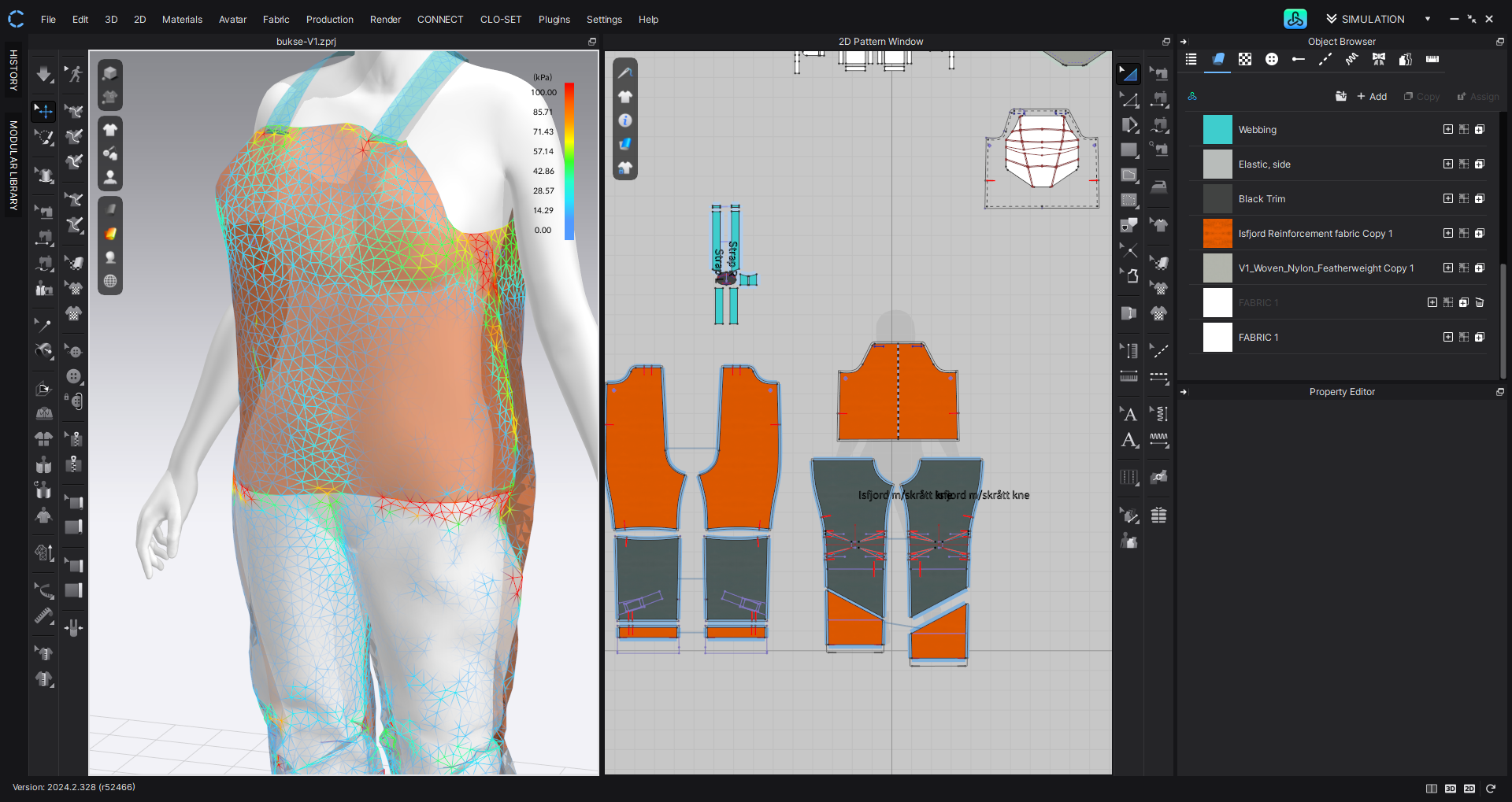
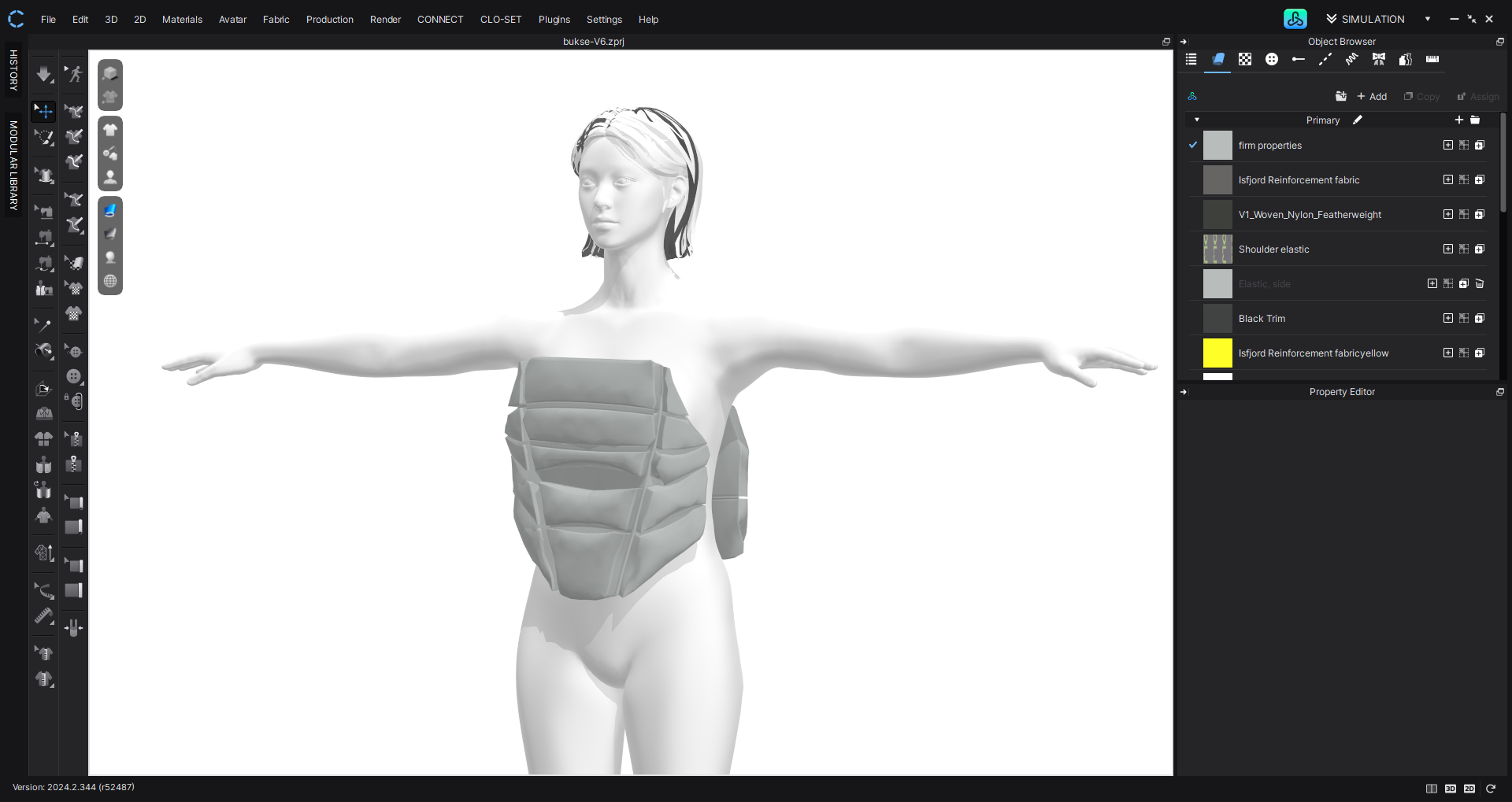
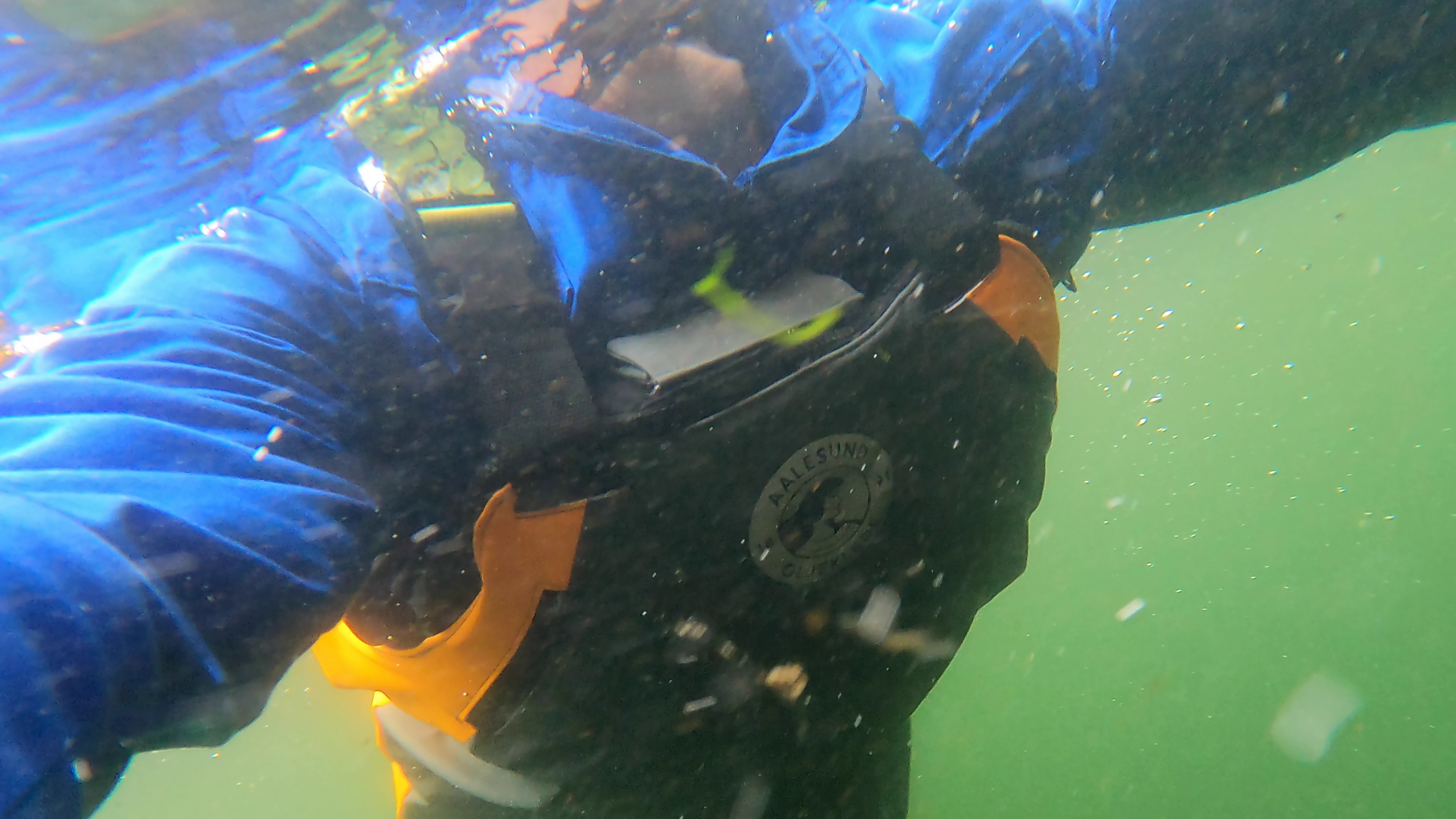
After printing the pattern, I made a test version using inexpensive fabric. It fit perfectly, just as CLO predicted, so I went ahead with the final prototype. After testing it with students, I made a few adjustments in CLO, printed new pieces, and sewed the final version.
Which CLO feature felt like a breakthrough in bringing your design to life?
Definitely the fitting tools. They immediately showed where the fit was too tight and made it easy to adjust the pattern.
How did CLO help you push beyond what traditional prototyping could achieve?
CLO saved a lot of time. Instead of spending days on physical iterations, I could test and adjust digitally. That gave me time to make two full physical prototypes instead of one.
Were there any hidden gems or surprises you discovered while working with CLO?
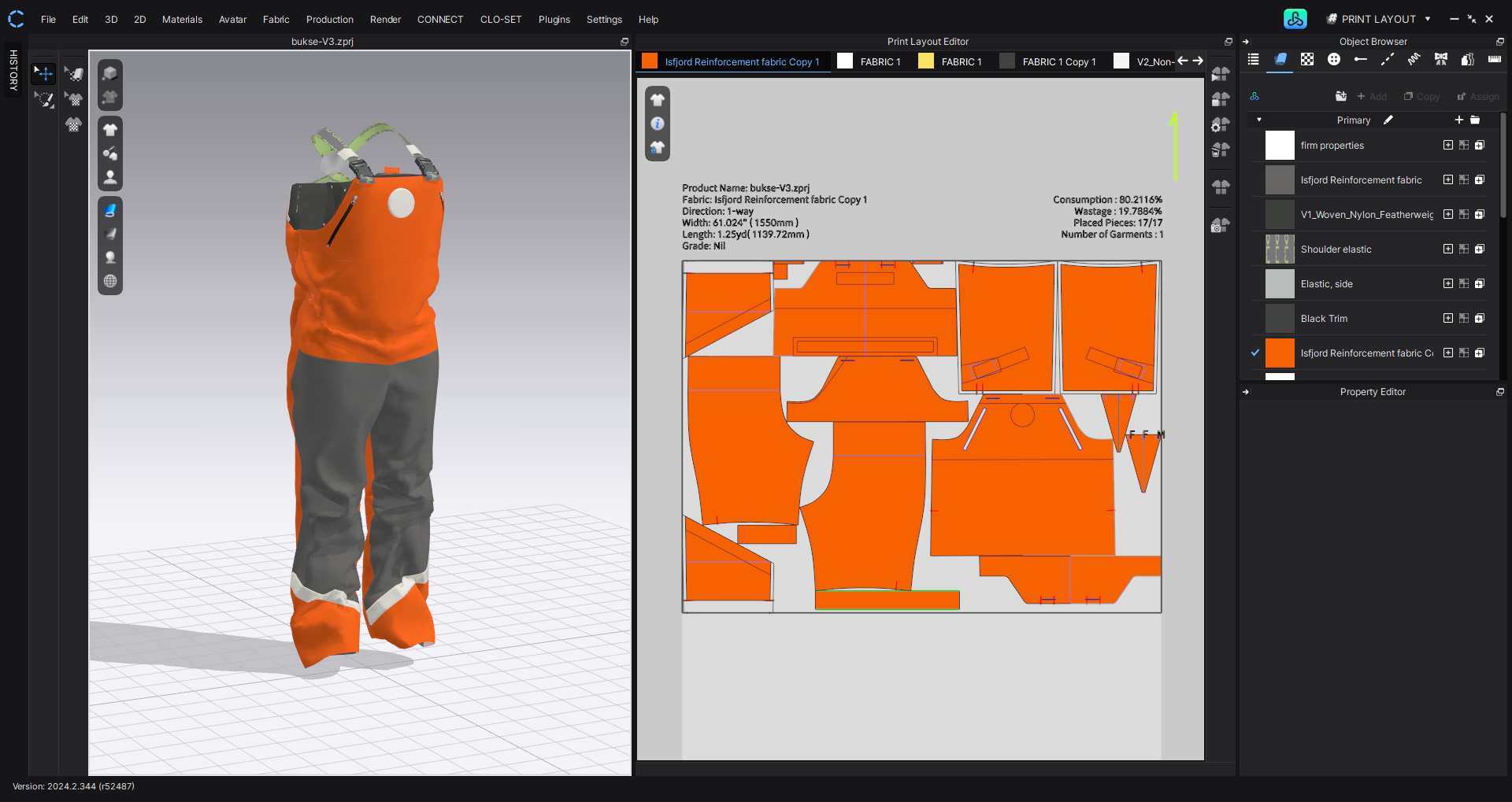
I was pleasantly surprised by the print layout. It automatically calculates the fabric used. I used to do it manually in Illustrator, so it saved me a lot of time.
REFLECTION & IMPACT
What’s the biggest insight about designing for women in safety gear that you gained?
Designers need to be clear about who they are designing for. "Unisex" usually just means shrinking a men’s design, which is not ideal. Many women end up wearing men's workwear, which can be unsafe if it does not fit well. A good fit is not just comfort. It is a safety issue.
For newcomers to CLO, what advice would have saved you time or frustration?
The learning curve can feel steep but give yourself time to explore the software. I strongly recommend the official CLO courses. They might seem long, but understanding all the tools really pays off later.