


From digital prototyping to the halls of the Met—
Designer Lane Odom’s journey blends cultural storytelling, athletic discipline, and a sharp technical edge. In this spotlight, he shares how a simple favor for a friend became part of the Superfine: Tailoring Black Style exhibition, and how CLO helped bring that vision to life.
Can you introduce yourself and share a bit about your background?
Absolutely. My name is Lane Odom, and I’m a designer and product developer currently working under the Coach brand, while building my own design studio called Vane Studios. Originally from the suburbs of Philadelphia, I’m a former collegiate athlete turned designer who was drawn to fashion through the opportunity to tell cultural stories and imagine character archetypes. Interestingly, it was a blend of my undergrad studies mixing anthropological problem solving with economics/business and it gave me a new hands on practice after I stopped playing Lacrosse. After completing the AAS program at Parsons, I’ve had the chance to work across a wide range of roles, spanning sportswear, menswear, tailoring, and womenswear.
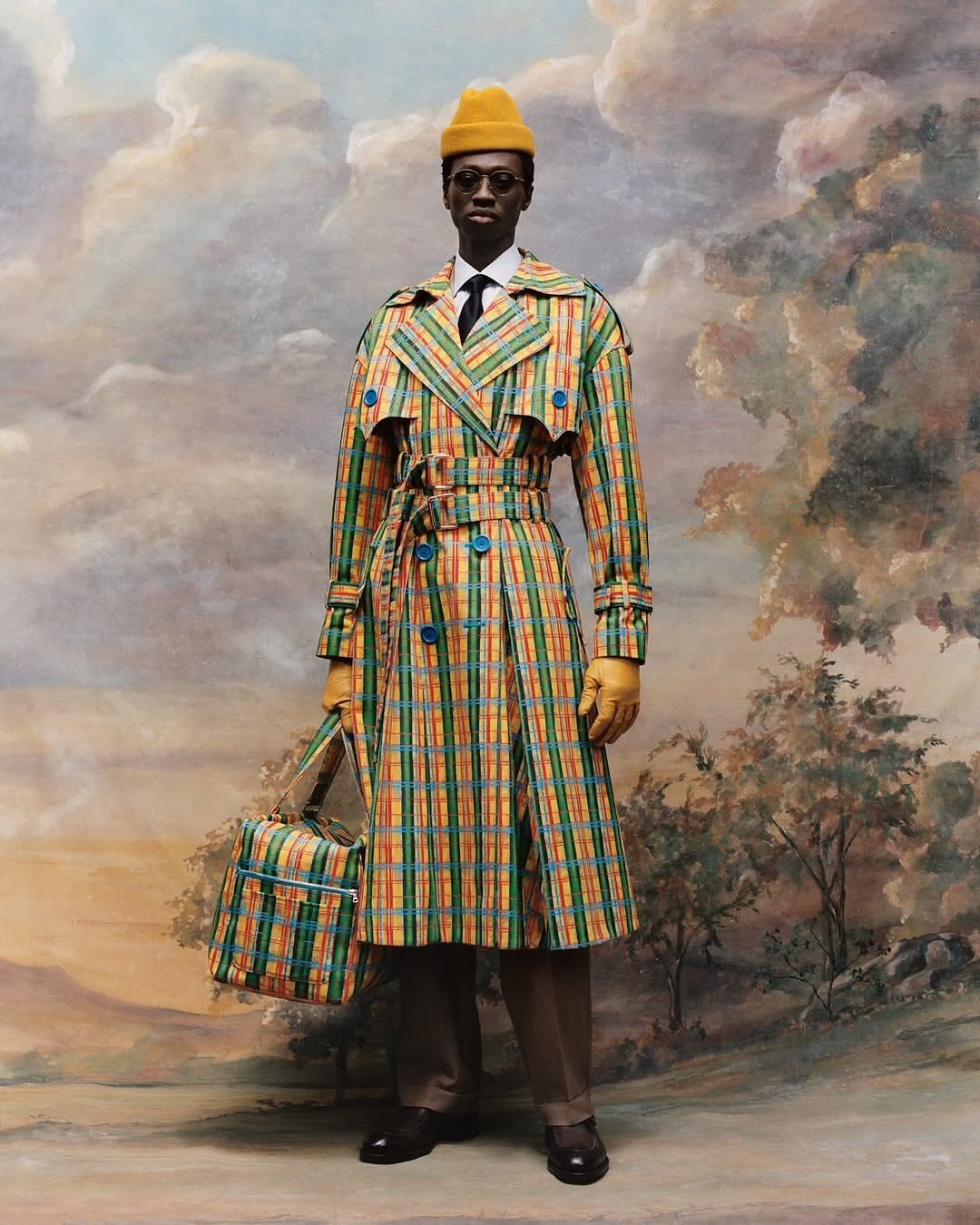
This bag was featured in the “Superfine: Tailoring Black Style” exhibition at the Met. Could you tell us how this opportunity came about, and what it meant to be part of it?
This opportunity was really unexpected and came about long after I initially worked on the project. I was helping my friend Jacques Agbobly round out their collection for February 2024 NYFW—doing pattern work on some cut-and-sew dresses that were later whole-garment knit, and creating an accessory for their trench coat, which is the bag featured in the Superfine lookbook. Honestly, it started out as a simple favor for a friend.
So to see it end up in an exhibition like this means the world to me. Superfine speaks directly to the space I design from—the cultural history, pride, and nuance of Black style. What I find most powerful is that, when you look at the broader history of tailoring and fashion, the Black American aesthetic is still relatively young. Being able to contribute in any way to building that tradition is deeply meaningful. As a designer, I couldn’t ask for a better moment.
How did you translate the artistic vision or cultural theme of the exhibition into your bag design using CLO?
The design was really rooted in the Agbobly brand, especially the story of moving from Togo to the U.S., but we also pulled in some details that nod to the eccentricity of dandyism. One example is the pleated side patch pockets, which add a sense of character and flair. We also focused on a clean, classic duffle shape, which we adapted using a custom printed fabric. In doing so, we took something functional,almost mundane,and reimagined it with a new purpose and presence. The result is bold, and maybe even adds a layer of empowerment from the accessory to the wearer.
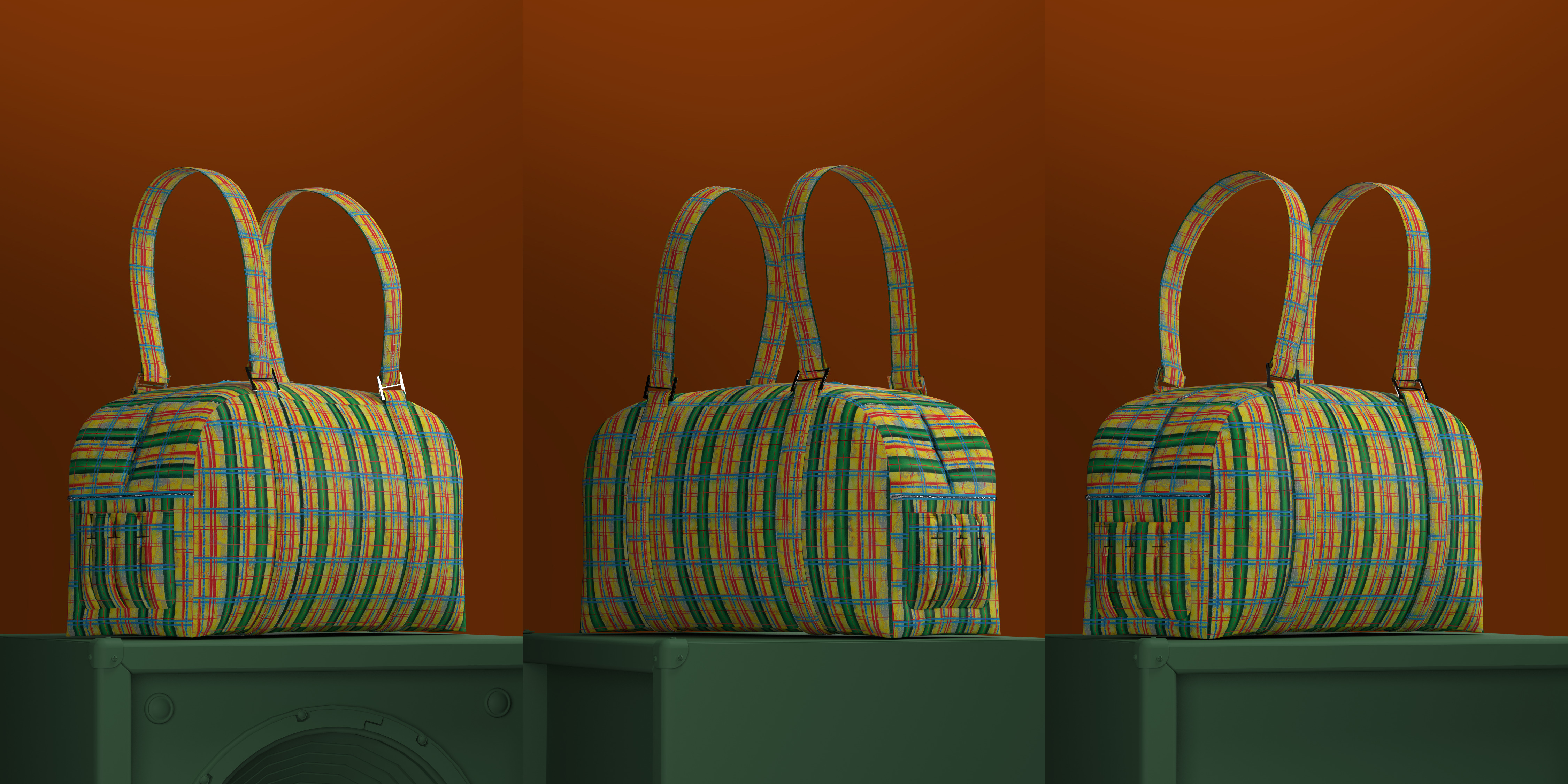
The print and silhouette of the bag are striking. While the print was created by @harlanhue, how did you approach incorporating it into your CLO design in terms of materials, scale, and visual composition?
For this bag, proportion was everything, both in the design itself and in how we used the print. The bag has a good amount of seaming, so we wanted to make sure the print had enough room to breathe across each panel, without getting overly chopped up. CLO made that super manageable, we were able to drop the print onto the 3D asset and tweak the scale until it felt just right, even in those early development stages.
Were there any technical or timeline challenges during this process?
That said, we did run into some time constraints. Originally, we had a more complex strap system planned, but we had to pivot to a simpler version to meet the deadline. Hopefully for version two, we’ll get a chance to bring that first idea back to life.
Can you walk us through your creative workflow for this project in CLO?
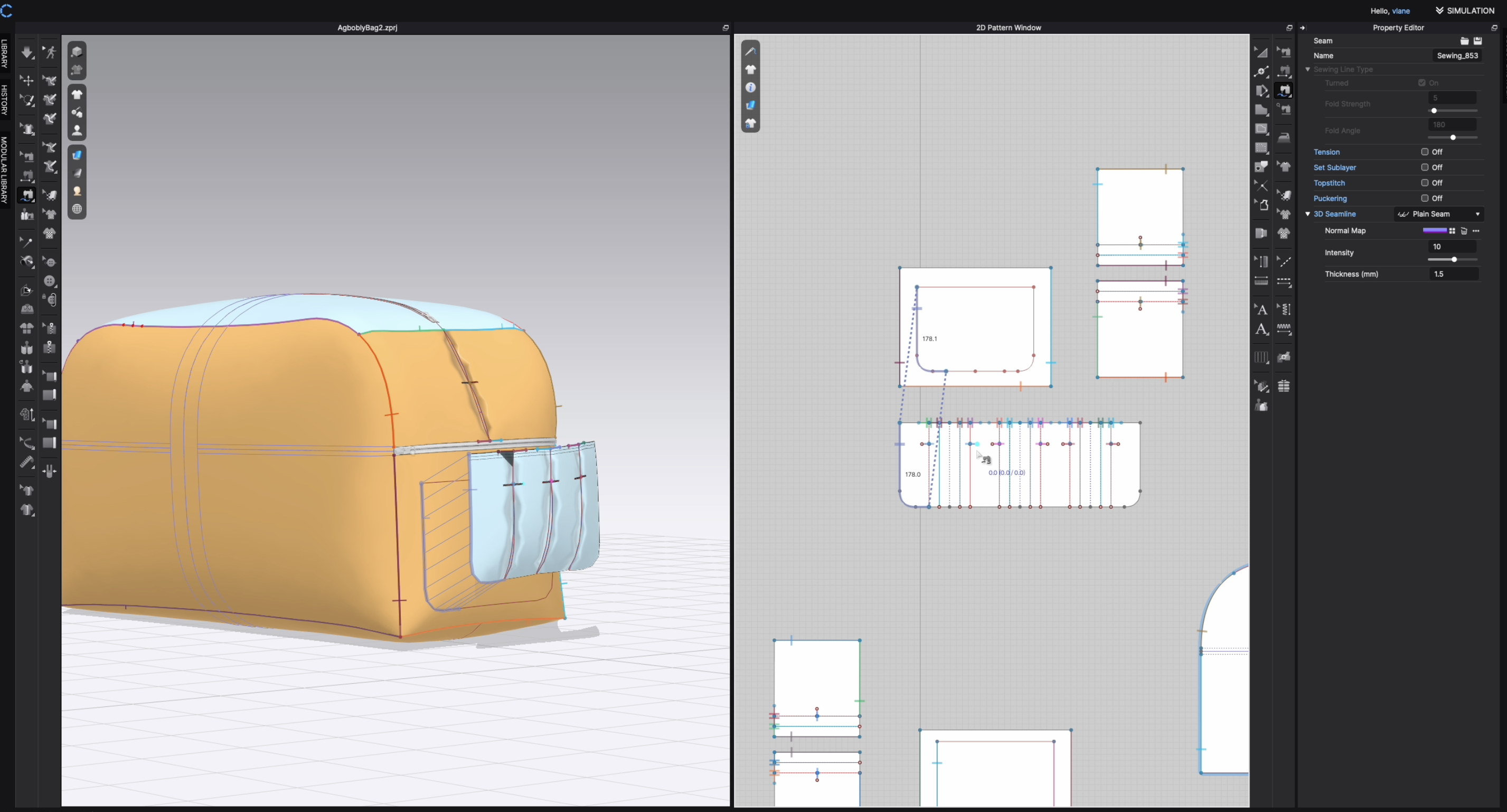
I wish I had a more artistic story here—but honestly, this was a pretty technical process. Jacques shared the overall vision and some reference images for the kind of shape he wanted, so I started by focusing on construction—just building the right silhouette. A lot of it came down to understanding different bag structures and figuring out how to bring that to life in CLO.
Once I had the base shell completed, I started looking for elements from the broader collection that could tie into the bag. The pleats and bartacks, for example, were featured in some of the heavy canvas pieces, and I think I was able to successfully translate those details into a new fabrication.
Was this your first time designing an accessory in CLO? If not, how does this project compare to your past works?
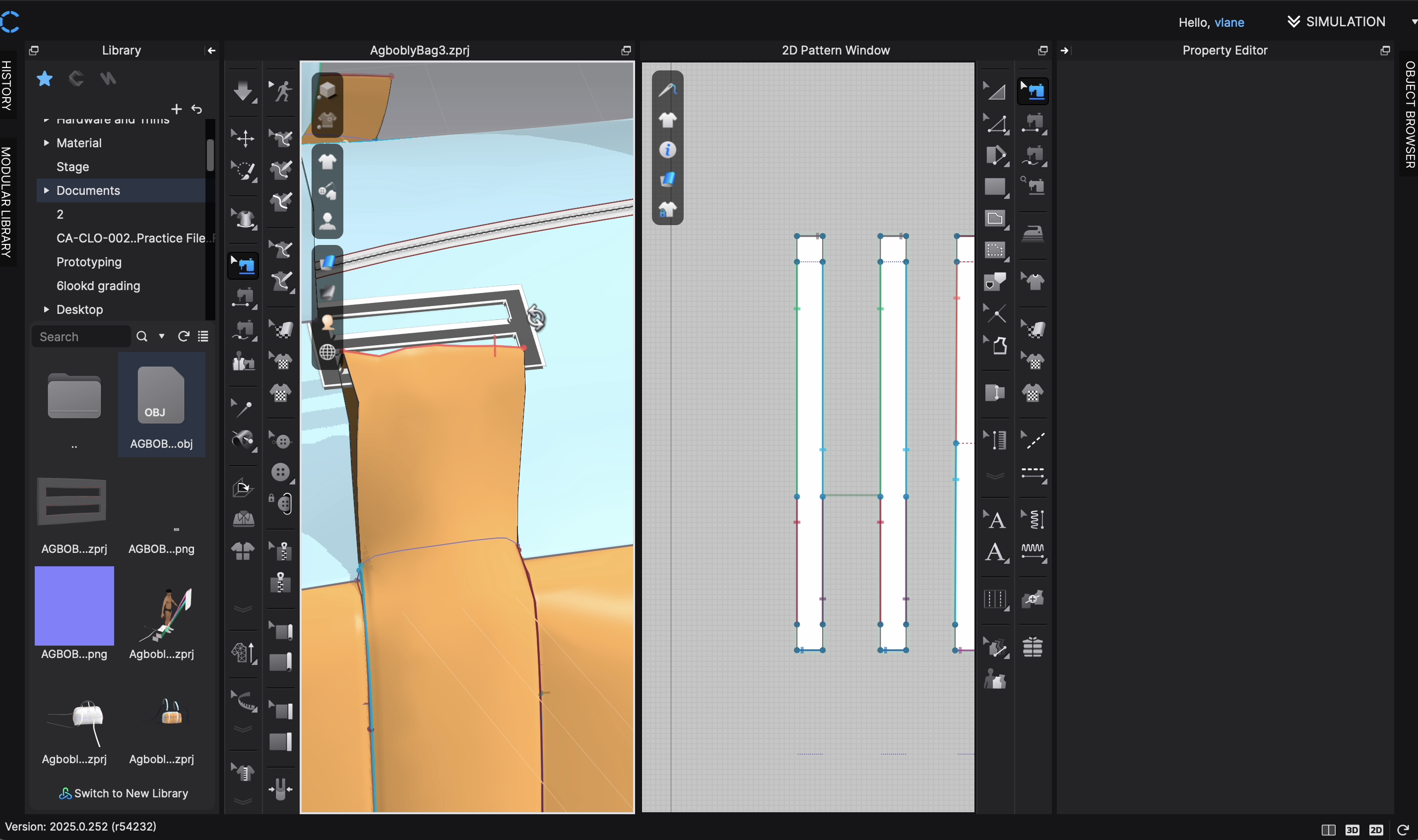
I’ve designed a bag in CLO before and played around with shoe design in Blender, but this was the first accessory I’ve taken all the way from 3D to physical production. More recently, I also drafted a sun hat in CLO. This project definitely pushed me a bit further—mainly because it was the first time I actually built custom hardware in CLO3D. I always knew how, but I hadn’t worked on a project that really needed it until this one.
Did you experiment with any unconventional techniques in CLO while designing this piece?
The construction itself was pretty straightforward, but I definitely leaned on a few helpful tricks in CLO. Turning off gravity was a big one—it made the whole process a lot smoother. I also separated the bottom of the bag from the sides in the software, even though it’s actually one pattern piece in real life. Freezing that bottom piece really helped stabilize everything while I worked on the rest of the design.
What do you think is the future potential of CLO as a tool for artistic or exhibition-focused design?
The potential of CLO is honestly huge. What makes it so powerful is how it supports both physical and digital asset creation at the same time. This was my first time ever making a duffle bag, and the fact that I could get such a clean result in just one sample round says a lot about how it can streamline the development process.
From a creative standpoint, being able to design without the limits of real-world physics is amazing. We had originally planned to add these long, flowing straps to the bag, there just wasn’t time to develop them physically. But in CLO, we could still show them, and even make them interactive if we wanted.
To me, CLO is just the start of where fashion and tech are headed. I think we’ll keep seeing more crossover, from digital software all the way to smart textiles and beyond.
Many CLO users are exploring accessories and more artistic applications. What advice would you give to someone using CLO to create beyond traditional garments?
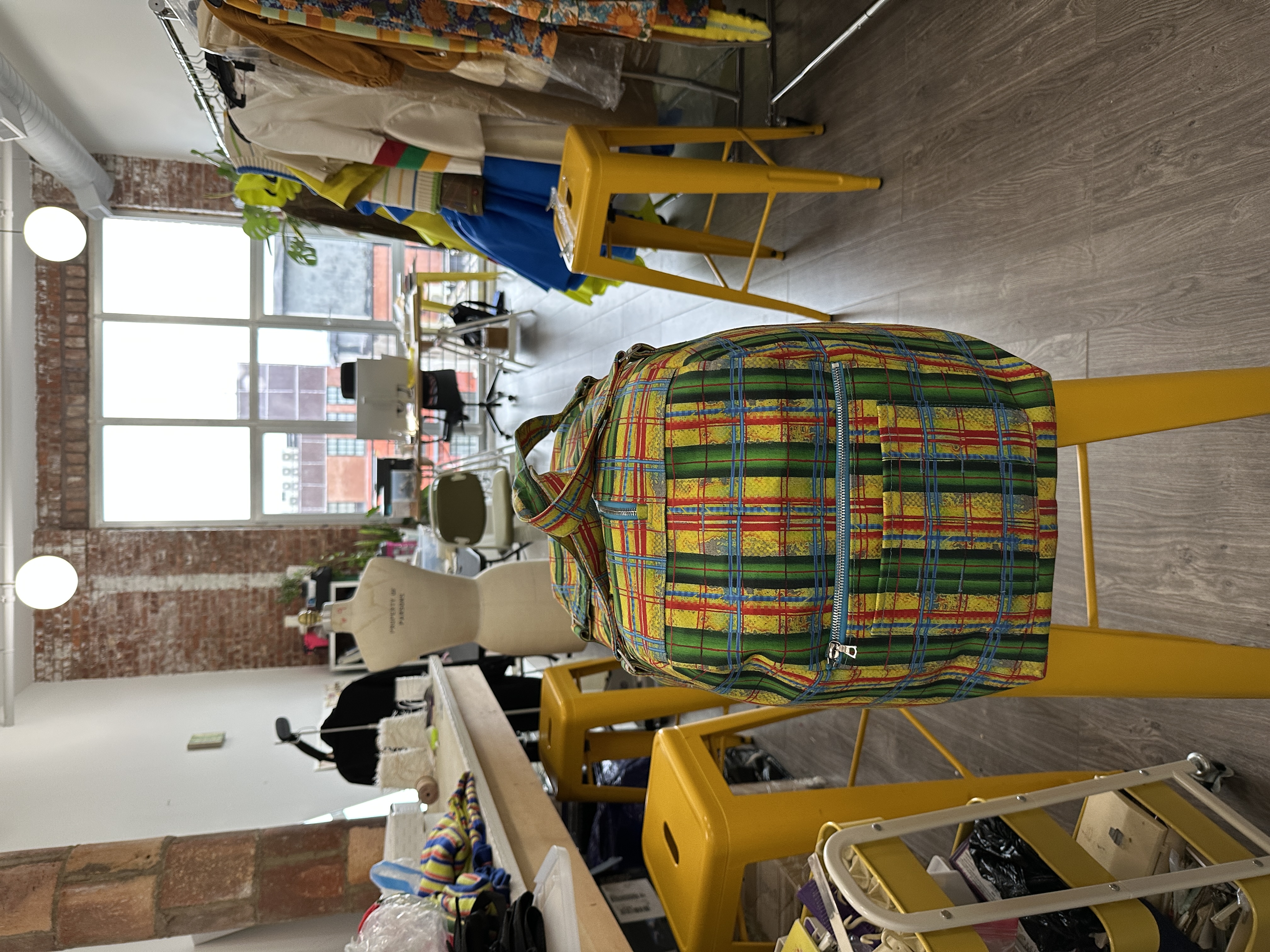
My biggest piece of advice? Don’t forget the real world. Use physical references as you design. Early on, when I first started using CLO, I often skipped that step and worked entirely digitally. But I found myself having to backtrack when it came time to translate those ideas into something physical.
Even if your goal is to stay purely digital, making sure your work reflects real-world scale and proportion goes a long way. It adds a layer of believability and accuracy that builds trust, especially as digital/phygital fashion continues to gain adoption within the industry.
Full look by @agbobly | bag print by @harlanhue
Photography @tylersphotos
Styling @mr_carlos_nazario
Hair @dre_on_hair
Makeup @kilprity
Casting @midlandagency
Executive Production Alexander Dorr @ Tyler Mitchell Studio
Production @apstudioinc