


Welcome back, Lane! It's great to have you again. Last time, we discussed a single, iconic piece that made it to the Met. Now, you're here to talk about a full collection for your own brand, Vane Studios. To start, could you introduce the core identity of Vane Studios and the story you wanted to tell with this new Summer Collection?
At its core Vane Studios is a brand steeped in americana, focused on inventive craftsmanship, and anchored by telling a story of multifaceted professionals in today's global world. Drawing inspiration from the past and reinterpreting those references for a modern and even futuristic take, we’ve coined the term “evolving heritage” - our US identity and history is important to us but we also believe in the open mindedness to allow new experiences to adjust our ways of thinking - that often results in us gaining inspiration from from sources outside the US and often leads us to aim for connections between our western experience and those from the rest of the world.
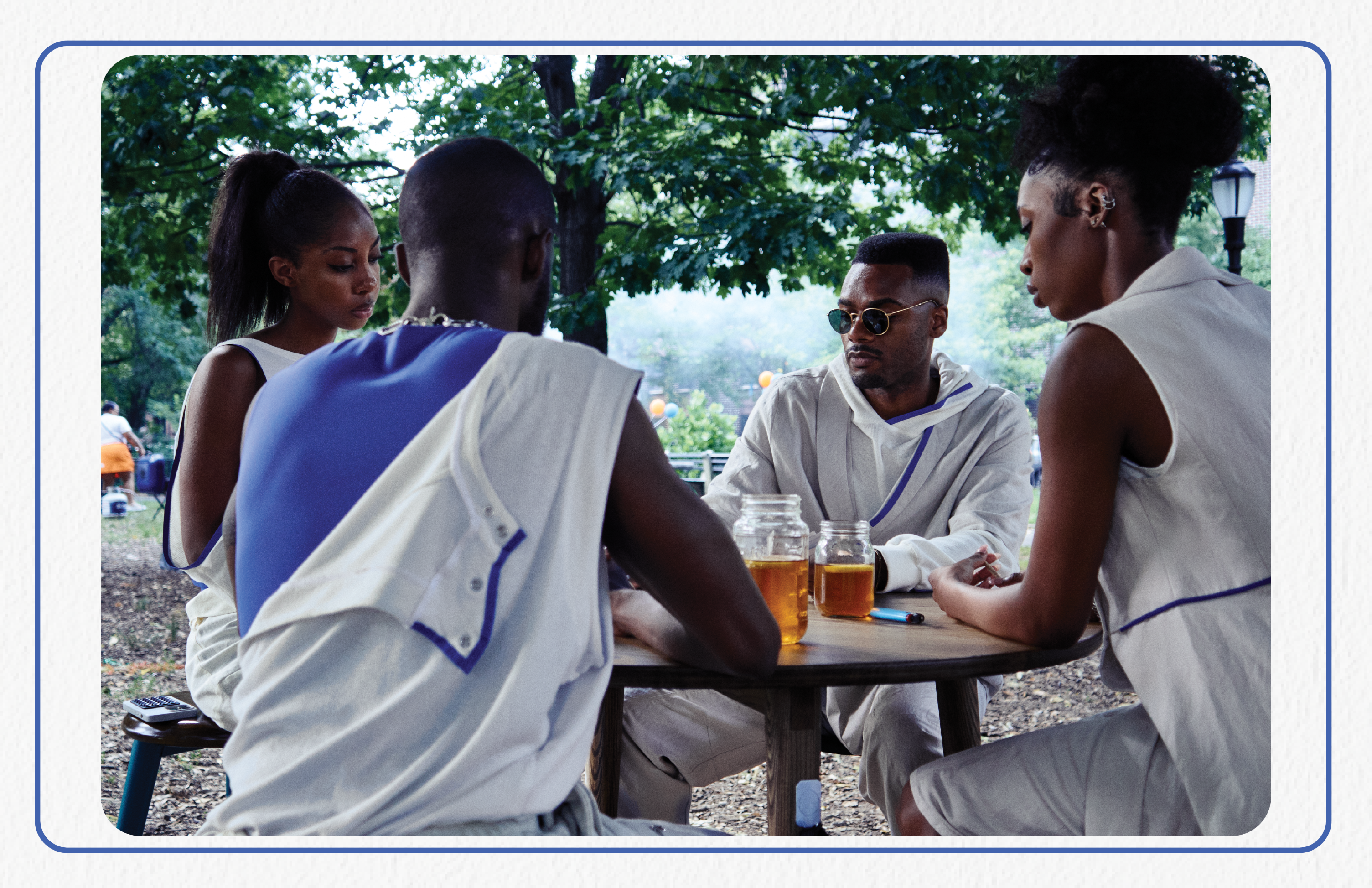
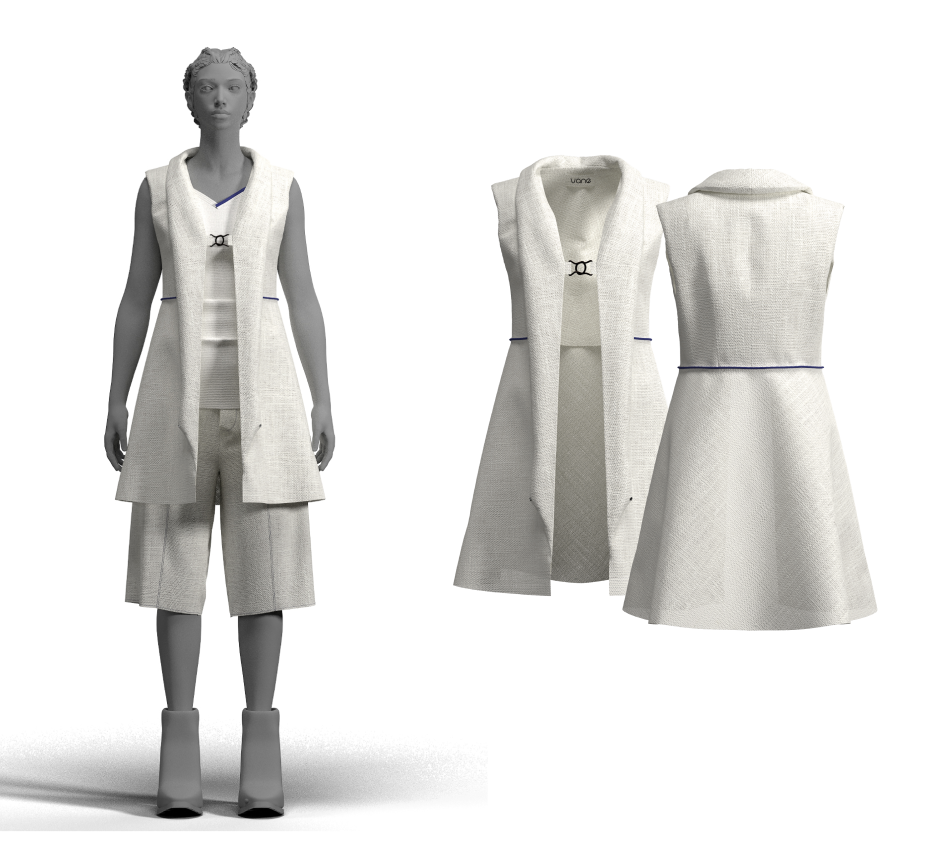
This Summer Collection was really an exploration of the mundane. I started with the classic ‘beater’ tank as inspiration for our cut-and-sew knits, and paired that with summer traditions like BBQs, afternoons in the park, and time spent with loved ones. From there, we wanted to reimagine some classic codes of dressing into hybrid, multifunctional pieces—like combining a tailored jacket with a camp shirt, or adjusting a women’s suit jacket to have an A-line hem sweep. It’s about taking what feels ordinary and reshaping it into something quietly inventive.
What specific stories or character archetypes inspired this Summer Collection? How did you translate those abstract concepts into tangible design elements like silhouettes, fabrics, and color palettes?
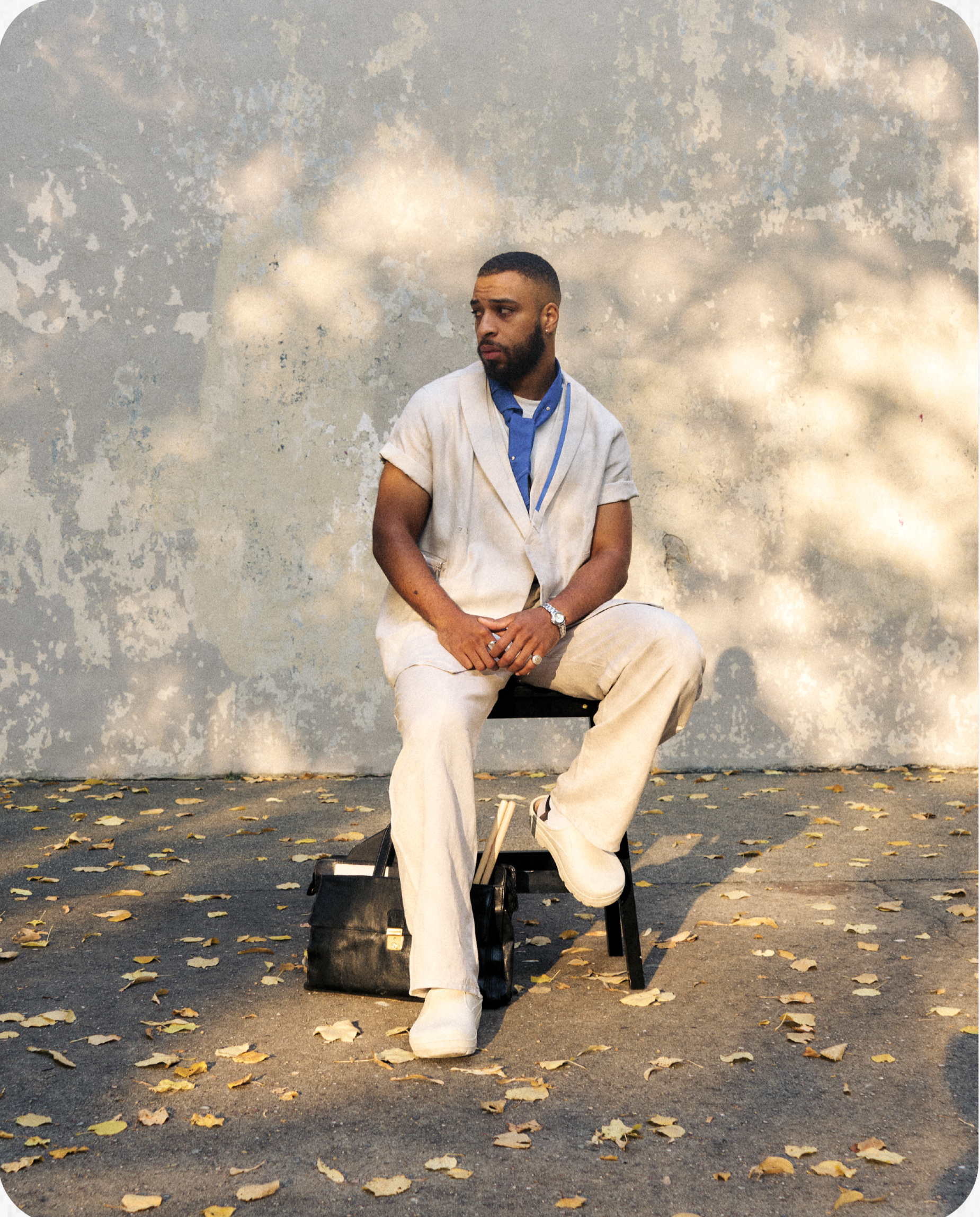
Our mantra at Vane is distinguished clothing for the multi-faceted professional. For one of the men’s looks, I imagined an accountant who moonlights as a drummer. The professionalism comes through in the matching pants and jacket fabric—like any good suit should—but the drummer side brings in movement. Instead of a fitted top or straight-leg trousers, you get these larger, billowing silhouettes that nod to the zoot suit.
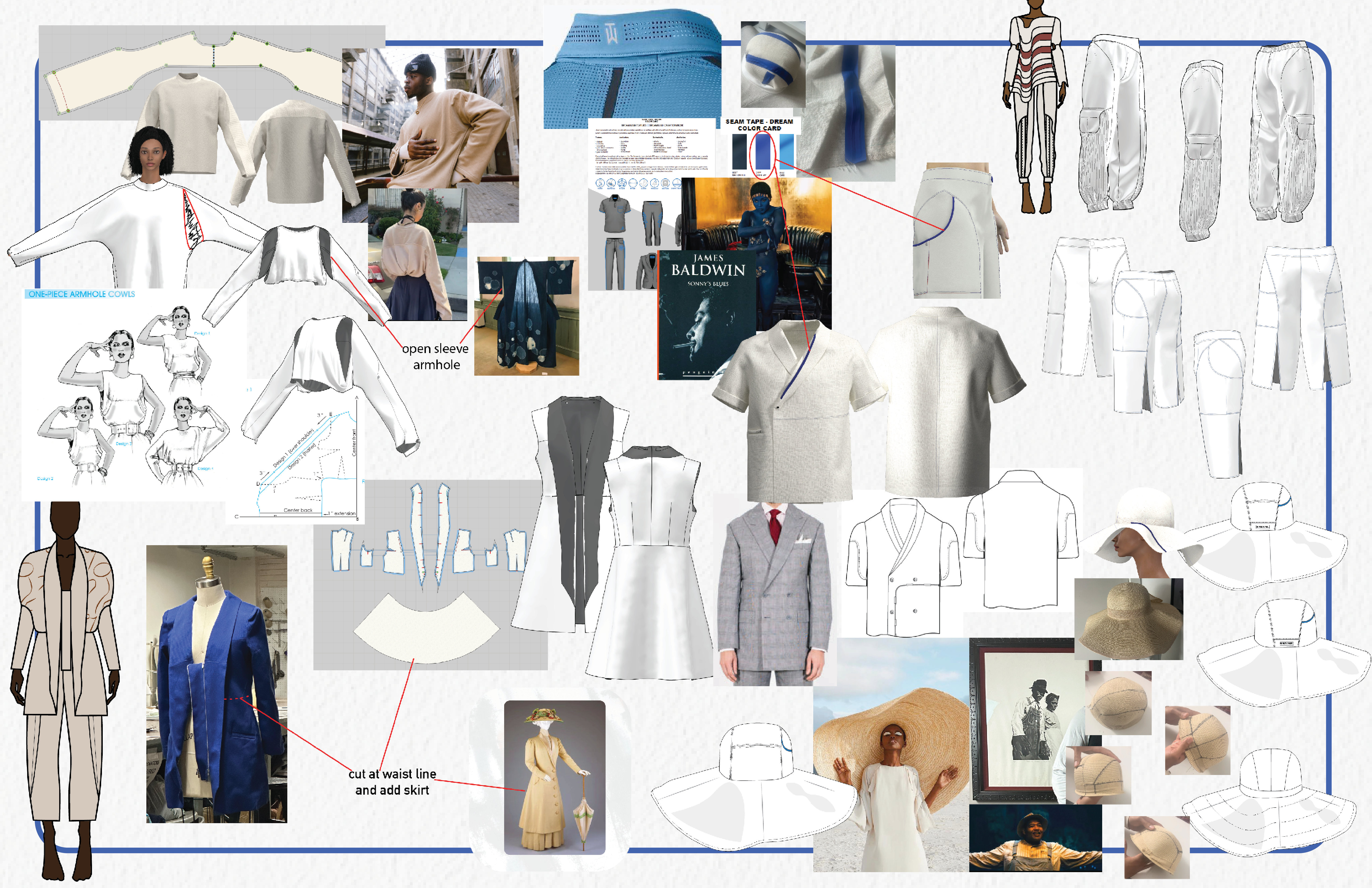
The fabric choices were practical for summer, while the color palette was an intentional inversion of my last collection, which leaned very dark navy. This time I wanted lightness, but I kept a cobalt blue running through the pieces as an ode to jazz, blues, and African American music history. From James Baldwin’s Sonny’s Blues to Jaymes Samuel’s blue dancer in The Harder They Fall, that crisp royal blue has always symbolized vintage Black American music to me, particularly Jazz.
Right now, I’m in my jazz era as a designer.
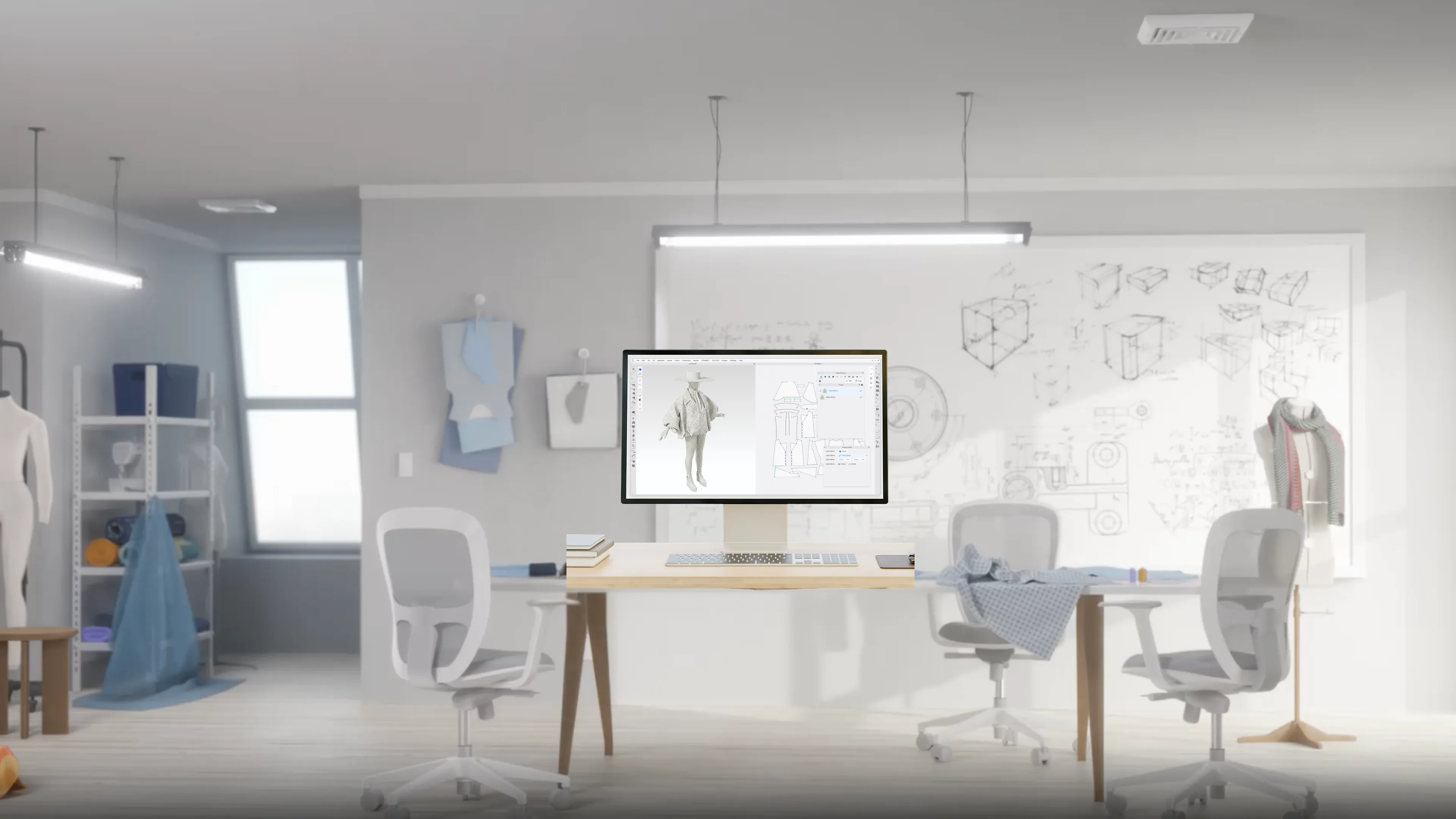
Designing a full collection is a different challenge than creating a single accessory. Could you walk us through your creative workflow in CLO for this project? How did you manage the process from the initial mood board to the final, cohesive set of garments?
To be honest, the mood board actually came together after the collection was built—it was more of a way to contextualize everything once I started thinking about presentation. The process itself started with iterating on some of my previous styles. The first piece I developed was the K-top, which uses a back/sleeve yoke I had patterned in an earlier collection. I’ve been experimenting with reintroducing that yoke across different garments.
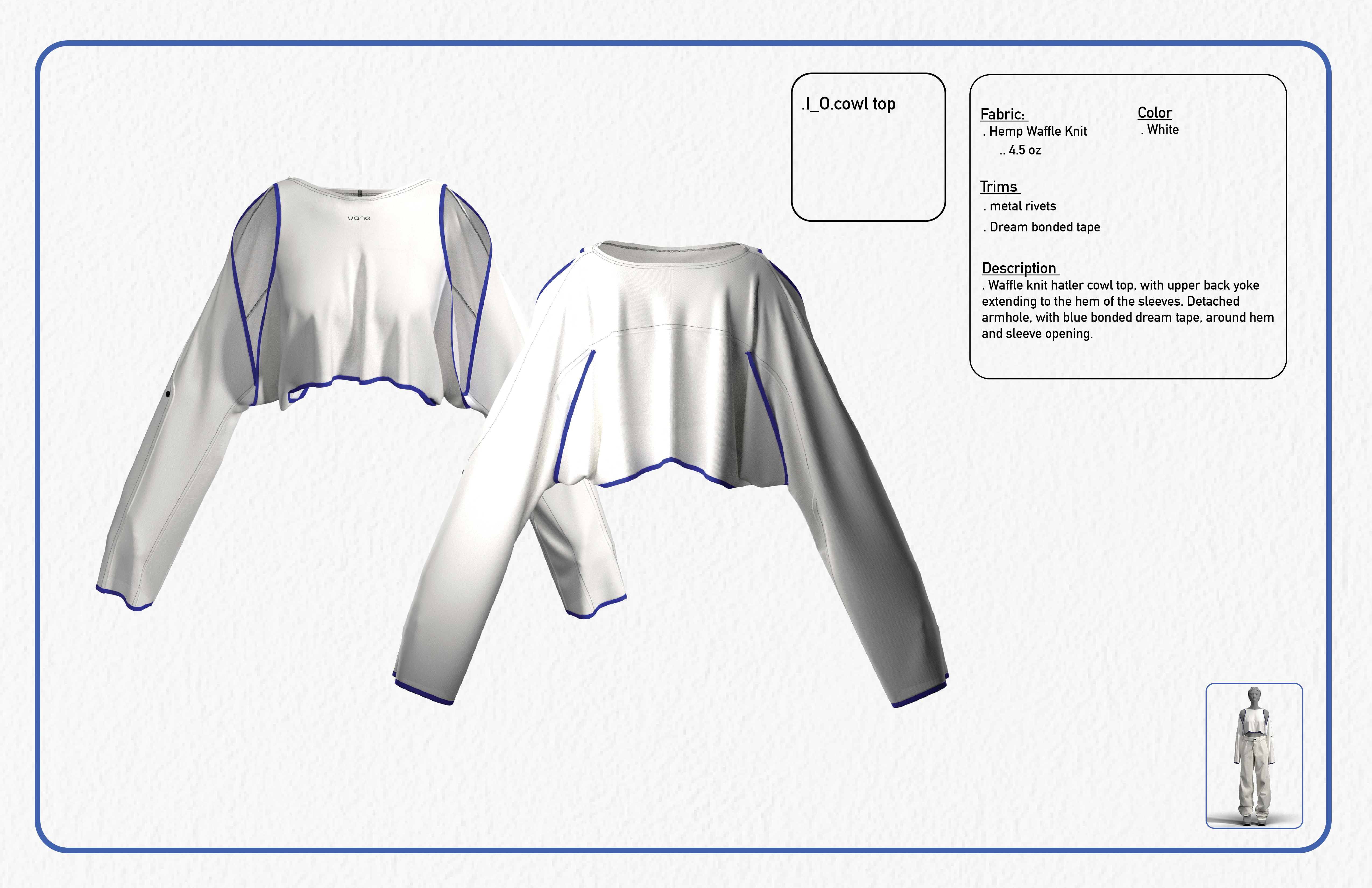
The real spark came from a photo from my girlfriend at the time wearing one of our crewnecks tied at the waist. I wanted to deconstruct that crewneck into a more femme top. So I jumped into CLO, draped the crewneck onto a female avatar, and started cutting and experimenting with pattern manipulations until I found a solution I loved.
From there, it was about expanding the rest of the wardrobe to match.
The woven styles came from silhouettes I had already developed, but I re-cut them in new fabrics, adjusted their lengths and construction, and added new trims to give them a new life. That combination of reworking existing elements and experimenting digitally in CLO is what helped the collection come together as a cohesive whole.
Summer collections often feature lighter, more fluid fabrics like linen or silk. How did you utilize CLO's fabric properties and simulation tools to perfect the drape, movement, and feel of these specific materials? Were there any particular settings or techniques that were key to achieving a realistic summer look?
This was actually my first time using the VMOD Library to scan the physical fabrics I had chosen and bring them into CLO. I know CLO also has its own digitizing technology now, which I think is hugely important for the development of CLO’s use within the industry, so that is really great!
Having them digitally recreated made a huge difference. As I toggled between high-res and low-res rendering, I started noticing small kinks in my patterns that I might have missed otherwise. On the men’s KJ trousers, for example, there was a curve at the inseam—coupled with the inseam dart—that created an awkward point around the knee. When I cut that style in a heavier fabric before, it never showed up—but in the lighter linen it was really obvious. The high-res drape in CLO let me catch and fix that issue before we cut the final garments.
Another big advantage was that VMOD provides digitized fabrics with substance texture files. That was key for me, because I wanted to use 3D renders for our website instead of doing a traditional studio e-comm shoot. The depth and realism in those textures really brought the digital garments to life on screen, and made them feel much closer to how they look in person.
Did this collection push you to use any CLO features you hadn't relied on as heavily before? For instance, did tools like the Modular Configurator, Print Layout mode, or specific avatar functionalities play a bigger role in designing a multi-piece collection?
I’ve always used the avatar editor in CLO to test different sizing, but this collection really pushed me to lean into it more. One of the key pieces, the K-top, has an open side seam that drapes down from the shoulder. It lays across a woman’s chest, but it’s not necessarily anchored in place. CLO’s ability to adjust the female avatar’s cup size was a new tool for me, and it came in really handy here.
Being able to see how the top would fall across different cup sizes influenced a few subtle decisions in the cut of the garment. It also gave me more confidence when talking to friends or customers about how the piece might perform on their body type. For me, that’s where CLO is becoming really valuable—not just for development, but for fit communication and customer service as I continue to grow the brand.
Is the Vane Studios Summer Collection intended to be a purely digital showcase, a direct blueprint for physical production, or a hybrid of both? What is your strategy for how this collection will meet its audience?
This Summer Collection is really a hybrid of both digital and physical—like most of the developments I do in CLO. We’ve actually sampled and produced the pieces made-to-order here in New York City, and we’ve already shot a campaign with photos and video. We actually just presented the physical collection to close friends of the studio.
For me, CLO is always a direct blueprint for physical production, but I’m also excited to push further into purely digital showcases. That’s something I definitely see myself exploring more in the next drop.
What steps did you take within CLO to ensure that these digital garments are not just beautiful renders, but are also practical and production-ready patterns?
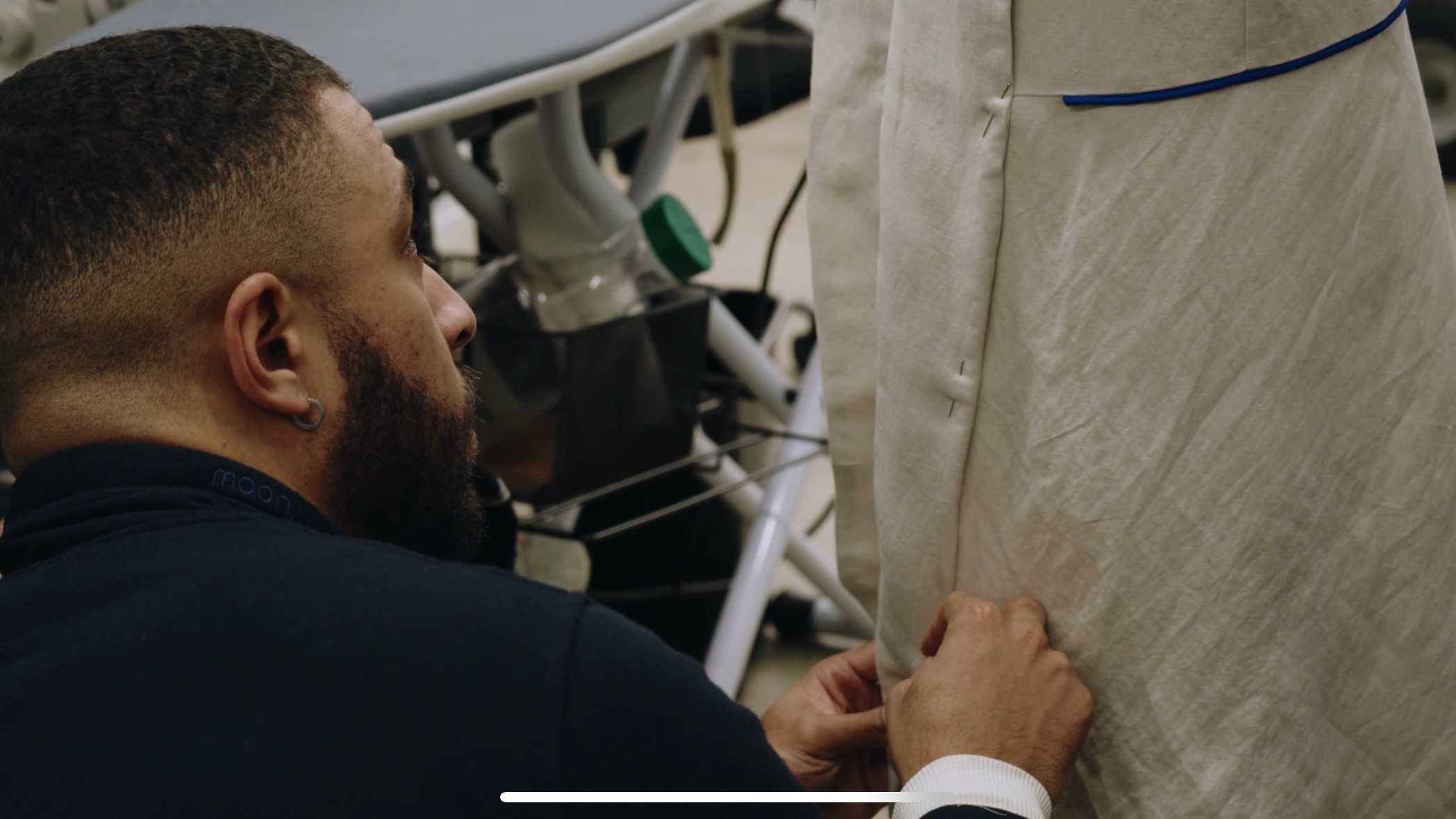
In CLO, I really focused on making sure the patterns were production-ready. That meant marking all my sewing notches, double-checking that seam lines matched exactly, and ensuring each style had the proper balance. Those details are what make a pattern ready to run smoothly on a sewing machine.
Of course, the process is never just digital—it’s always a dialogue between CLO samples and physical prototypes. For example, the linen silhouettes in this collection are styles I’ve been refining over a couple of years through multiple iterations, both digital and physical. That back-and-forth is what gives me confidence that the garments aren’t just beautiful renders, but patterns that truly work in production.
What was the biggest new challenge you faced when creating this collection? Perhaps it was maintaining a consistent vision across multiple pieces, or a technical hurdle you had to overcome. How did you solve it?
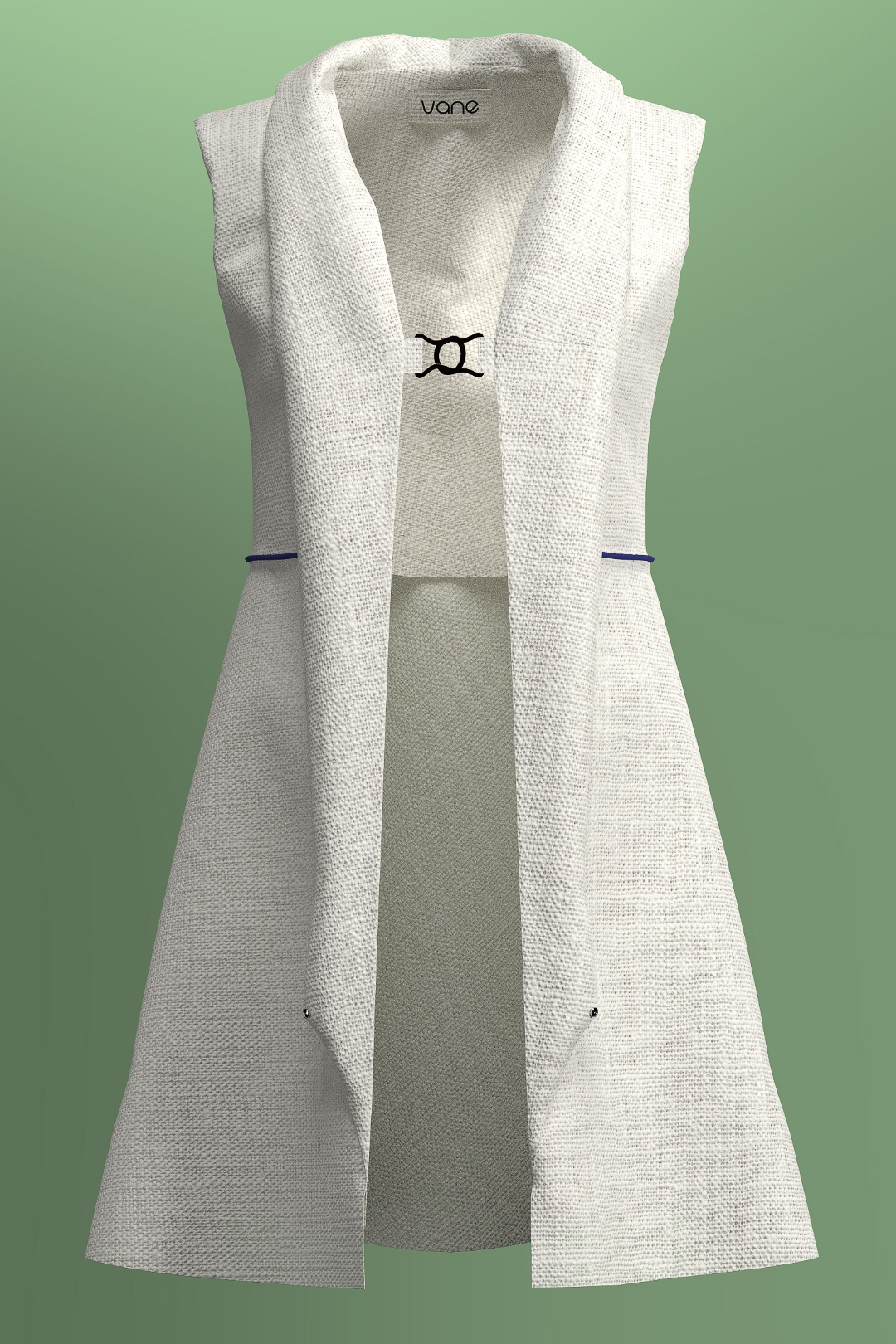
The biggest challenge in this collection was the H&S summer jacket. It’s a pretty complex construction, and not very traditional. Originally, I patterned the full-length lapel as a fold line with a large dart running down the center front. It worked fine in CLO, and I was even able to sew a first iteration myself, but when I sent the new linen version to my factory partner, they really struggled to sew it symmetrically. Even after trying different fusible, they told me the pattern just wasn’t very operator-friendly on the machine.
So I took a step back and reworked the design, breaking the lapel into cut lines and seam lines at the collar and center front. That adjustment simplified the construction significantly—and as a bonus, it actually made the fitting process smoother too.
Finally, for the many designers using CLO to build their own brands, what is one key piece of advice you’d give them about moving from single portfolio pieces to designing and presenting a full, cohesive collection?
My biggest piece of advice is: don’t try to reinvent the wheel with every collection. One of the best lessons I’ve received is that new collections should be about 80% continuation from your last one, with 20% newness. When you’re working on single portfolio pieces, think about building them from base patterns that you can use in multiple ways. Save those clean base patterns before you add all the bells and whistles. Over time, you’ll build up a repository of patterns that fit your aesthetic and your model well—and as a one-person design team, that’s what allows you to iterate and bring new ideas to life quickly.
That’s exactly how I approached this Summer Collection. It was an exploration of the mundane, starting with the classic ‘beater’ tank and summer traditions like BBQs and time in the park. From there, I consolidated those familiar codes of dressing into hybrid, multifunctional pieces like combining a tailored jacket with a camp shirt, or merging a women’s suit jacket with an A-line skirt sweep. It’s about using what you already know, then pushing it just far enough to feel new.